Sen. Chris Murphy accused President Donald Trump of weakening Ukraine to benefit Russia in an October 20, 2026, post, sharpening his criticism of American policy on Ukraine military aid and diplomacy. The Connecticut Democrat argued that Washington’s decisions were undermining Kyiv’s position rather than helping it resist Moscow.
In the post, Murphy wrote: “Ukraine was winning the war, so Trump kneecapped Ukraine to help Russia.” He also accused the president of aligning himself with America’s enemies.
The statement is a documented political accusation from October, rather than a new November announcement. Murphy’s assessment of the battlefield and Trump’s intentions remains his judgment; administration officials have rejected suggestions that Washington deliberately sought to harm Ukraine.
Murphy linked his criticism to several policy disputes
The wording appeared in an October 20 Bluesky post and was reproduced alongside an X post by RealClearPolitics that day. A CNN interview broadcast October 19 provides further context for his criticism of the administration’s approach.
In that interview, Murphy pointed to Russian diesel sales, sanctions decisions, Patriot missile interceptors and restrictions affecting Ukraine’s satellite communications. He argued that the decisions formed a pattern of pressure intended to push Kyiv toward a settlement favorable to Moscow.
Murphy repeated related accusations at an October 30 roundtable in Hartford with Sen. Richard Blumenthal and Ukrainian-American community leaders. His Senate office published a transcript in which he argued that weakening Ukraine would leave it with less leverage in negotiations.
Ukraine military aid and air defenses were central concerns
Murphy’s objections included the availability of Patriot interceptors, which Ukraine seeks to defend against Russian attacks. His October 19 CNN appearance followed reporting about approvals for transferring interceptors purchased by countries supporting Kyiv.
At the Hartford event, Murphy discussed using congressional spending legislation to press the administration to provide support. Those remarks described policy tools he wanted Congress to use, rather than announcing that lawmakers had enacted a new aid requirement.
Ukraine continued to raise its air-defense needs in subsequent diplomacy. In a November 4 account of a call with U.S. envoys Steve Witkoff and Jared Kushner, President Volodymyr Zelenskyy’s office identified Patriot interceptors as a priority for protecting lives.
The administration disputed deliberate harm to Ukraine
Reuters reported on October 20 that Secretary of State Marco Rubio denied there had been a deliberate political directive to harm Ukraine. He acknowledged that a shipment of European-purchased interceptors might not yet have arrived while denying a change in policy.
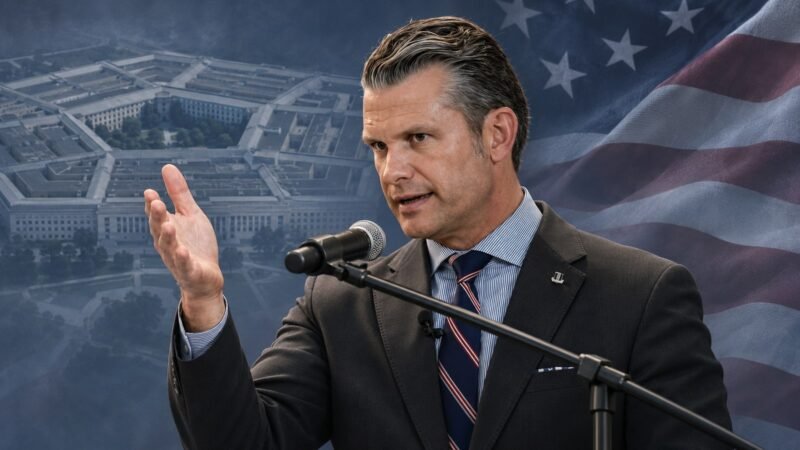
On Ukraine military aid, PBS News Hour’s October 20 report carried Defense Secretary Pete Hegseth’s statement that the U.S. posture toward Ukraine had not changed. Hegseth also emphasized preserving American interceptor stocks, presenting supply priorities as part of the administration’s explanation.
Intelligence cooperation was disputed as well. CNN reported Ukrainian complaints about interrupted warnings of Russian attacks and Rubio’s denial that sharing had been paused. These competing accounts require attribution rather than a blanket conclusion that every form of U.S. support ended.
Sanctions and negotiations widened the disagreement
Murphy’s argument extended beyond Ukraine military aid to economic pressure on Russia. Hourly Times has separately covered the Trump–Zelenskyy dispute over sanctions relief, including Washington’s national-interest justification and Kyiv’s objections.
Trump’s October 16 order waived specified sanctions and tariffs under recently enacted legislation. The order preserved certain earlier sanctions, making the scope narrower than the removal of every U.S. restriction on Russia.
The dispute continued alongside negotiations. A November 10 European Council statement described coordination among European partners, Ukraine and the United States in Abu Dhabi, emphasizing sovereignty, territorial integrity and credible security guarantees.
Later talks brought further proposals, not a final settlement
On November 14, Reuters reported Zelenskyy’s account that U.S. negotiators had raised possible Ukrainian withdrawal from Donbas in exchange for NATO membership. He said Kyiv was not ready to concede territory. That report described a negotiating question, rather than an agreed territorial settlement.
Zelenskyy’s office also reported a November 13 discussion with Witkoff and Kushner about that week’s negotiations and further work. The broader diplomatic process therefore continued after Murphy’s October criticism, with security guarantees and Ukraine’s defenses still under discussion.
In his November 15 address, Zelenskyy announced a Ramstein meeting for the following week. He identified air defense, including Patriot and NASAMS missiles, and increased drone production as priorities for discussions with Ukraine’s partners.