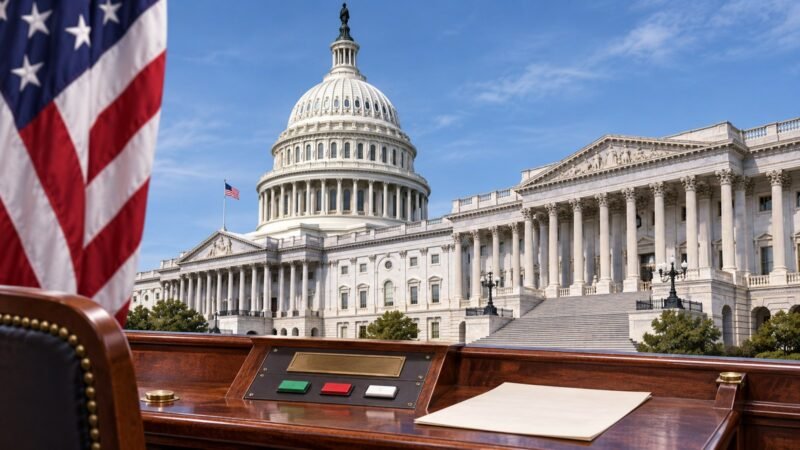
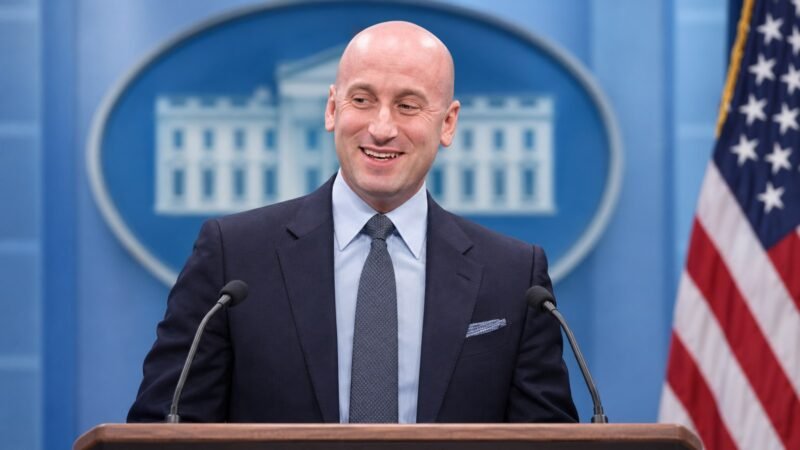
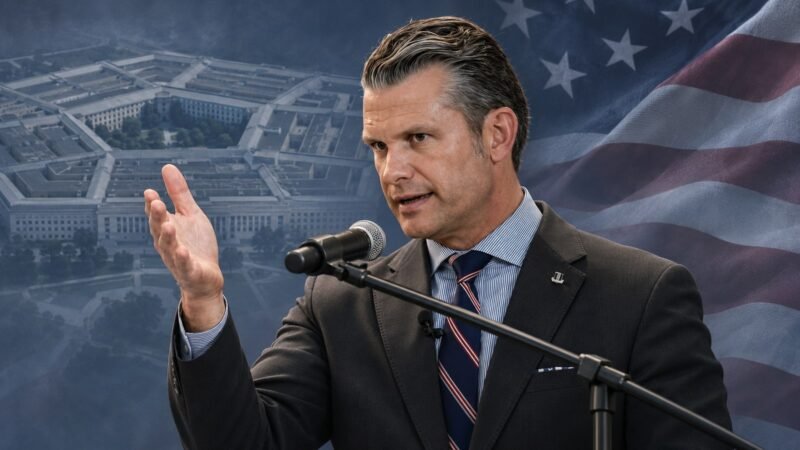
Trump administration officials are pressing Congress to renew FISA Section 702 before Democrats take control of both chambers in January, according to a Fox News report published November 13, 2026. Their push faces resistance from civil liberties groups seeking stronger protections for Americans’ communications.
The report identifies Attorney General Todd Blanche, Director of National Intelligence Jay Clayton and CIA Director John Ratcliffe as signatories to a letter asking congressional leaders to act by December 9. Officials want enough time to begin the next annual renewal process before existing collection approvals run out.
An unnamed administration official described reauthorization as a “huge priority” for the White House during the lame-duck session. That is the period when the current Congress continues working after an election and before the incoming members take office.
FISA Section 702 involves two different deadlines
December 9 is the administration’s requested action date, not the date when all current collection must stop. The distinction is central to competing claims about how urgently Congress needs to move.
A June Congressional Research Service analysis explains that the statutory authority lapsed, but transitional provisions allow existing court-approved orders and directives to continue until their expiration. A lapse in the statute therefore did not immediately shut down collection.
In July Senate testimony published by the Justice Department, Blanche acknowledged that the current certifications remain valid until midnight on March 16, 2027. Administration officials argue that renewing the framework and completing the next certification process require advance preparation.
What the surveillance framework permits
FISA Section 702 permits foreign-intelligence collection targeting non-U.S. persons reasonably believed to be outside the United States. It does not permit deliberately targeting Americans, people inside the United States or a foreigner as a pretext for targeting an American.
The intelligence community’s public explanation says targeting decisions are documented and reviewed. The Foreign Intelligence Surveillance Court reviews the program’s targeting, handling and querying procedures, rather than issuing a separate warrant for every foreign target.
Americans’ communications can nevertheless be collected when they communicate with a foreign target. How agencies subsequently search and use those communications is a central issue in the reauthorization debate.
Privacy groups oppose renewal without reforms
In a November 12 letter to congressional leaders, civil liberties and surveillance-reform organizations urged lawmakers to keep renewal out of the annual defense policy bill and other must-pass legislation unless it includes a warrant requirement for access to Americans’ information.
The coalition argues that Congress still has time to debate reforms because collection remains authorized into March. It rejects the suggestion that lawmakers must choose between immediate renewal without changes and losing foreign-intelligence capabilities.
Separately, Sens. Adam Schiff and Ron Wyden pressed the administration in October to release the March surveillance-court opinion. They argued that lawmakers should be able to examine the court’s findings about abuses before debating renewed authority.
Supporters cite the Vienna concert plot
National-security supporters point to counterterrorism, cybersecurity and other foreign threats as reasons to preserve the program. Among their examples is the disrupted plot targeting Taylor Swift concerts in Vienna in 2024.
In June Senate remarks, Judiciary Committee Chairman Chuck Grassley credited intelligence collected under the program with helping Austrian authorities disrupt that plot. That is an attributed account of the program’s contribution; the public statements do not disclose the complete operational record.
The political divide is also more complicated than a simple party split. CyberScoop reported that Democratic Rep. Jim Himes supported resolving reauthorization during the lame-duck session, while warning that the incoming Congress could demand different terms.
What Congress must decide next
Lawmakers must weigh renewal of FISA Section 702 against demands for additional limits on searches involving Americans. The administration favors action before the change in congressional control; reform groups want Congress to preserve time for debate.
The nearest date identified in the new reporting is December 9. Whether congressional leaders schedule a vote, attach renewal to another bill or pursue a separate reform package remains unresolved in the sources reviewed.