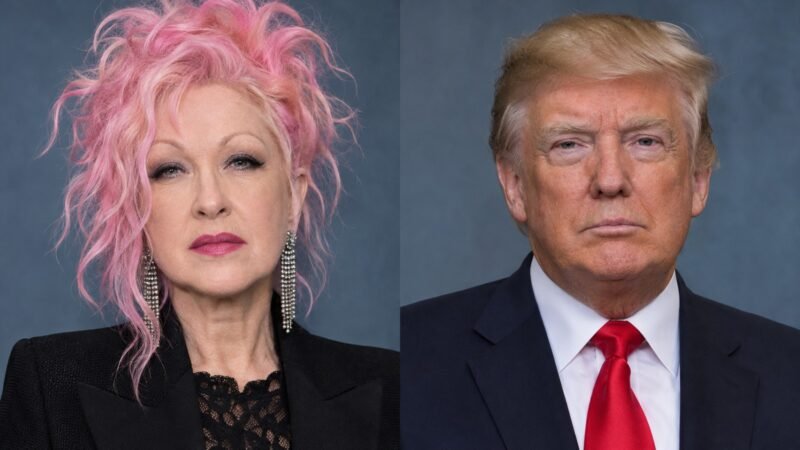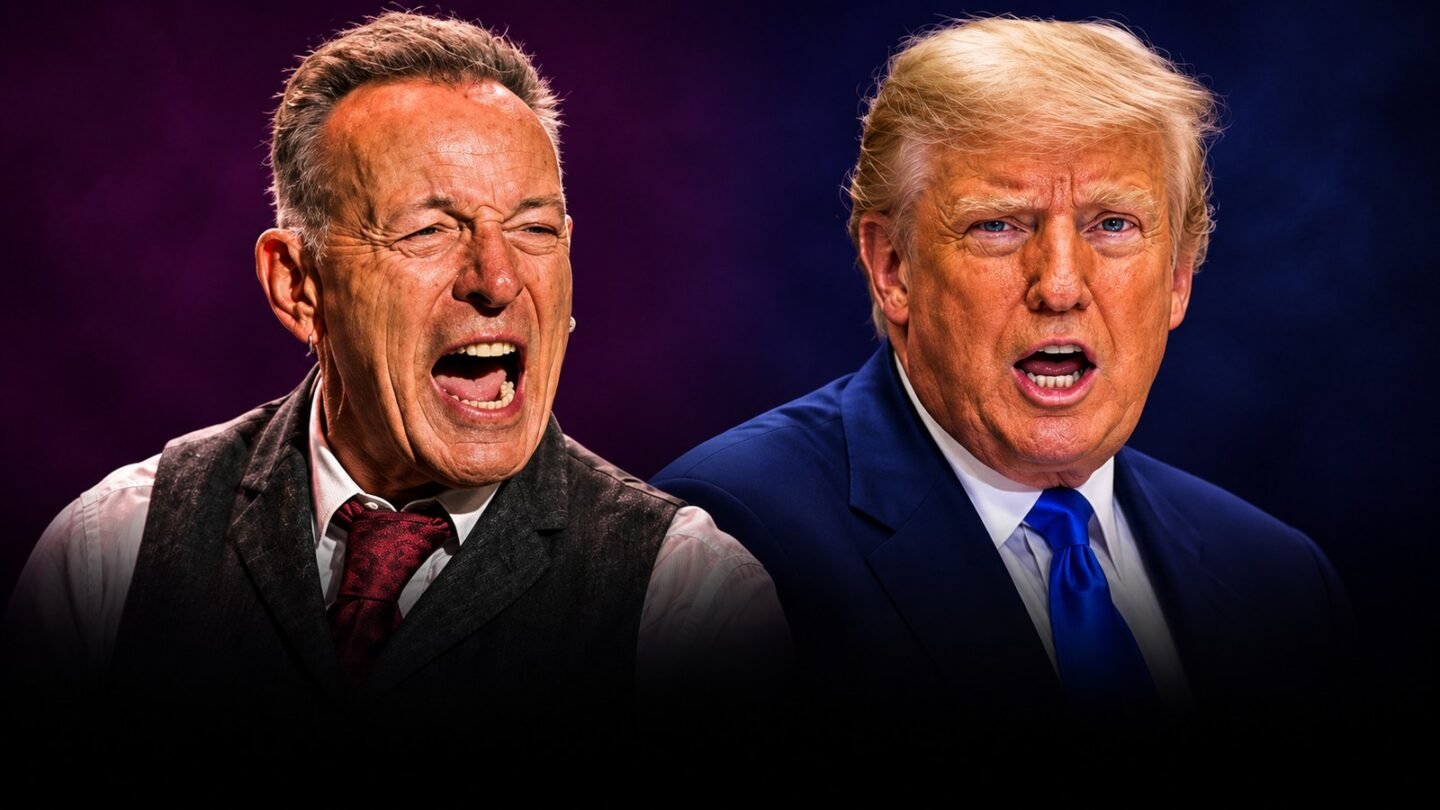
The Springsteen Trump warning shared in a political graphic comes from an October 3, 2024, endorsement of Kamala Harris. Bruce Springsteen called Donald Trump the “most dangerous candidate for president in my lifetime,” rather than using the graphic’s wording about the most dangerous president.
That distinction matters because the statement concerned Trump’s candidacy before the 2024 election. It was a political assessment by the musician, not a court finding or an official determination about presidential fitness.
Springsteen has since delivered another message about democratic safeguards. On November 3, 2026, he urged election officials to protect the counting of votes and resist instructions that would undermine a free and fair election, according to AFP.
What the Springsteen Trump warning actually said
The Philadelphia Inquirer reported the original endorsement on October 3, 2024. Its account described a video posted to Springsteen’s Instagram in which he supported Harris and her running mate, Minnesota Governor Tim Walz, while opposing Trump and JD Vance.
Springsteen connected his opposition to concerns about constitutional government, democracy, the rule of law and the peaceful transfer of power. Those were his stated reasons for opposing Trump’s return to office.
NJArts.net also published the endorsement transcript. Springsteen’s argument contrasted the candidates’ visions of the country and described Harris and Walz as supporting a more inclusive society and an economy that benefited people beyond the wealthy.
The Springsteen Trump warning therefore has a documented source and date. However, substituting “president” for “candidate for president” changes the quotation. Republishing it accurately requires preserving the original wording and explaining that it came from the 2024 campaign. The two messages should not be presented interchangeably.
A separate message on Election Day 2026
AFP reported that Springsteen addressed election officials and government representatives in an Instagram video on November 3. He appealed to their constitutional responsibilities and urged them to ensure that votes were counted securely.
That message was a warning against possible interference. It did not, by itself, establish that officials had received unlawful instructions or that interference had changed an election result.
The same AFP report said the White House described its position as protecting election security. It also noted that many feared scenarios remained hypothetical. Those qualifications are essential when reporting concerns about the administration’s intentions.
Separately, Springsteen’s official website published a November 2 statement endorsing Abdul El-Sayed. The statement praised El-Sayed’s commitment to the Constitution and democracy while sharply criticizing the White House, documenting the musician’s continuing political opposition to the administration.
Political opinion and constitutional obligations
The Springsteen Trump warning expresses a judgment about danger. Verifying that Springsteen made the statement does not establish his political conclusion as an independently measurable fact.
Trump subsequently won the 2024 presidential election. The National Archives records 312 electoral votes for Trump and 226 for Harris. That official result establishes who won the election; it does not settle every argument about how presidential power should be exercised.
The Constitution’s text supplies the institutional framework. Article II requires the president to take an oath to defend the Constitution and directs the president to ensure that laws are faithfully executed.
Article I places federal legislative power in Congress, while Article III establishes the federal judiciary. These separate assignments of authority explain why winning the presidency does not transfer every federal power to the president.
What congressional elections can change
USAGov explains that congressional elections determine representation and party majorities in the House and Senate. All 435 House seats are contested in regular congressional election years, alongside roughly one-third of Senate seats.
The midterms concern those legislative offices rather than a new presidential term. Hourly Times’ explanation of congressional power and presidential removal sets out that distinction and the separate constitutional procedures involved.
Readers can assess Springsteen’s political argument for themselves. The reporting distinction remains clear: his 2024 statement criticized a presidential candidate, his November 2026 message addressed election safeguards, and neither statement alone proves a particular election outcome or constitutional violation.