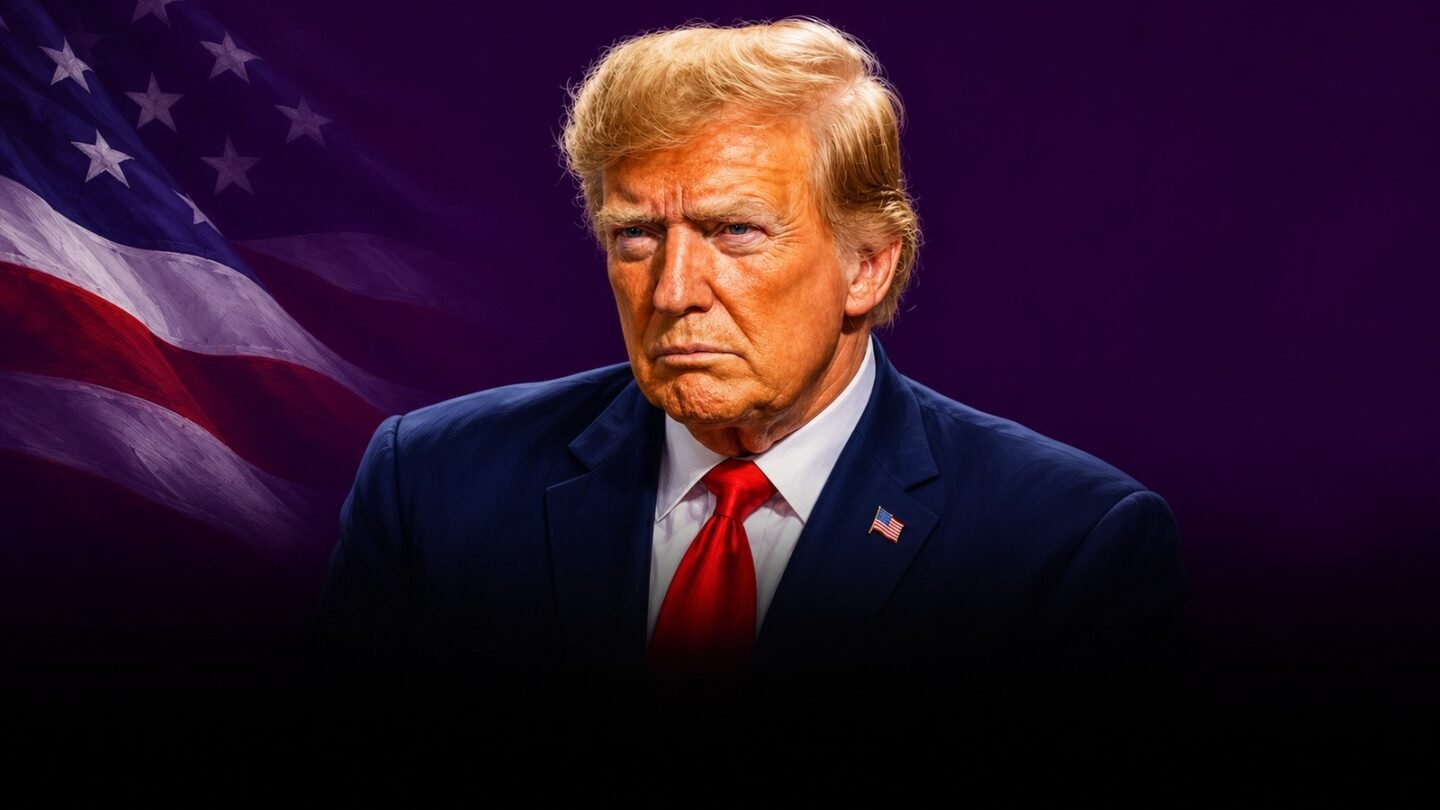
The Trump sentence imposed in New York does not include imprisonment, and the November 3, 2026, midterm elections do not change it automatically. The supplied social post combines a judgment about President Donald Trump’s legacy with a separate legal question about criminal punishment.
The Trump sentence followed a jury conviction in 2024; Judge Juan Merchan imposed the unconditional discharge in January 2025. Trump has challenged the case through state and federal proceedings, including a continuing dispute over whether it belongs in federal court.
Descriptions such as damaging America’s soul or being its worst president express political and moral judgments. They do not identify a criminal offense or substitute for a lawful sentencing decision.
What the New York Trump sentence imposed
A New York court decision records that jurors found Trump guilty on May 30, 2024, of 34 counts of falsifying business records in the first degree. The verdict concerned specific business records, rather than an assessment of his overall presidency.
On January 10, 2025, Merchan sentenced Trump to an unconditional discharge. Reuters reported that the sentence left the conviction in place without jail time or a fine. It also imposed no probation.
New York Courts explains that an unconditional discharge releases a sentenced defendant without conditions. It is different from a conditional discharge, where failure to meet specified requirements can lead to resentencing.
Consequently, the Trump sentence should not be described as a prison term waiting to begin after the midterms. A conviction and the punishment selected for it are related but distinct parts of a criminal case.
What the later court records show
In an August 28, 2026, order, U.S. District Judge Alvin Hellerstein again rejected Trump’s effort to move the case from state to federal court. The order addressed procedural requirements and arguments about presidential immunity.
Trump’s lawyers disputed that outcome and filed notice of appeal, according to Reuters. Trump has denied wrongdoing and characterized the prosecution as politically motivated.
A prosecution brief filed in the Second Circuit on October 22 opposed the renewed transfer effort. It argued that the disputed conduct was private and unofficial. That document is the prosecutor’s legal position, not a new appellate ruling.
State and federal proceedings should not be merged into a claim that every appeal has been resolved. The October filing documents continued litigation; it does not establish a future prison sentence or its timing.
Presidential immunity has defined limits
The Supreme Court’s July 1, 2024, decision in Trump v. United States recognized absolute immunity for conduct within a president’s exclusive constitutional authority and at least presumptive immunity for other official acts. It recognized no immunity for unofficial acts.
That distinction requires examining the conduct at issue. It is neither a finding that everything a president does is protected nor a ruling that political criticism proves a prosecutable offense.
A separate Justice Department Office of Legal Counsel opinion, issued in 2000, concludes that indicting or criminally prosecuting a sitting president would unconstitutionally impair executive functions. That departmental legal position is distinct from the Supreme Court’s official-acts ruling.
The federal judiciary’s explanation of criminal cases also separates proof of guilt from sentencing. At trial, prosecutors bear the burden of proof beyond a reasonable doubt; after a conviction or guilty plea, a judge determines the sentence under applicable law.
Midterms, impeachment and imprisonment are different
The election chooses lawmakers. Impeachment involves House charges and a Senate trial, with removal from office following conviction in that process. A criminal prison sentence is a separate matter.
Hourly Times’ explanation of midterms and presidential removal provides additional background. Winning congressional control does not itself impose a criminal penalty on the president.
Voters can assess Trump’s policies and character while keeping those institutional distinctions clear. The next relevant legal developments are decisions in the pending challenges; the reviewed materials do not establish an automatic post-election imprisonment date.