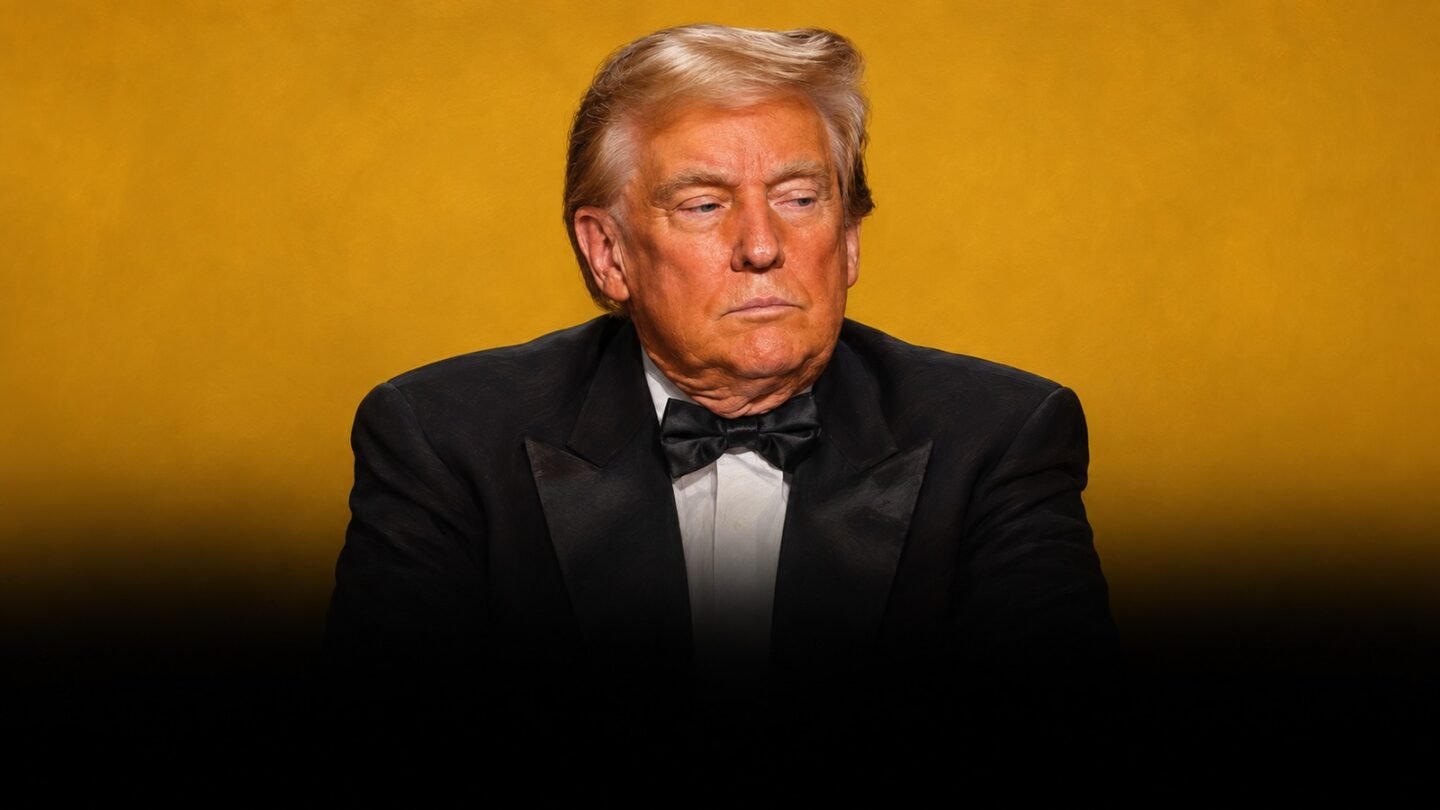
The Trump quote claiming he is tired of being president is not confirmed by the remarks reviewed for this report. At a September convention, President Donald Trump said he was getting tired of politics. At an October rally, he complained about his campaign schedule.
Those are different statements from announcing that he no longer wants to serve as president. The supplied graphic changes the subject of his verified September remark and adds an unsupported claim that the rest of the country shares its view.
The distinction matters on November 3, 2026, when voters choose members of Congress. Dissatisfaction with a president, his own comments about campaigning and the constitutional process for leaving office are separate questions.
What the September Trump quote actually said
Trump delivered closing remarks at the Republican midterm convention in Dallas on September 10. The published speech transcript places the relevant sentence near the beginning, as he introduced musical performances by singer Christopher Macchio.
“I’m getting a little bit tired of politics now,” Trump said. He had just discussed listening to music, and he told the audience he would keep his remarks brief after speaking at length the previous night.
The surrounding passage concerns the convention program and another political speech. It does not say he is tired of being president, and it does not announce a resignation or a date for leaving office.
That context supports a narrower account than the graphic: Trump expressed weariness with politics while introducing entertainment. It does not provide access to his private intentions about the remainder of his term.
The Florida remarks concerned more rallies
A separate October 30 speech in Daytona Beach, Florida, included another complaint about campaigning. The archived transcript records Trump saying he had thought that appearance would be his last rally before the election and that he had expected to relax.
He then described the burden of repeated campaign appearances and complained about his voice. In the same passage, he explained that he would travel to Iowa and Kansas after Republicans there asked him to attend.
USA TODAY’s report, republished by AOL on October 31, independently describes the comments and the reversal of earlier plans to cancel the stops. That reporting concerns a changing campaign schedule, rather than an announcement about ending his presidency.
Reading a reference to a final rally as a reference to a final day in office would change its meaning. The events named in the passage are campaign appearances supporting Republican candidates.
Approval polling does not measure resignation support
The supplied caption cites an October poll. Reuters reported a newer Reuters/Ipsos survey completed November 2, with approval still at 32%. It surveyed 1,765 U.S. adults online and reported a margin of error of two percentage points. The poll’s full methodology could not be independently verified.
Ipsos’ earlier October tracker identifies its approval question as whether respondents approve or disapprove of how Trump handles his job. That is different from asking whether he should resign.
The Trump quote therefore cannot be validated through an approval figure. Nor can a survey showing substantial disapproval support a statement that everyone else in the country agrees with a political slogan.
What the November 3 election decides
Congressional elections determine representation and party majorities in the House and Senate. They are not a direct presidential removal vote. All 435 House seats are contested every two years, while Senate terms are staggered.
Hourly Times’ explanation of midterms and presidential removal provides the separate institutional background. Impeachment involves House charges and a Senate trial; an election result does not perform those steps.
The supported finding is limited: this Trump quote about the presidency remains unverified, while his comments about politics and campaigning are documented. The Federal Election Commission identifies November 3 as Election Day and directs voters to state or local offices for polling information and results.