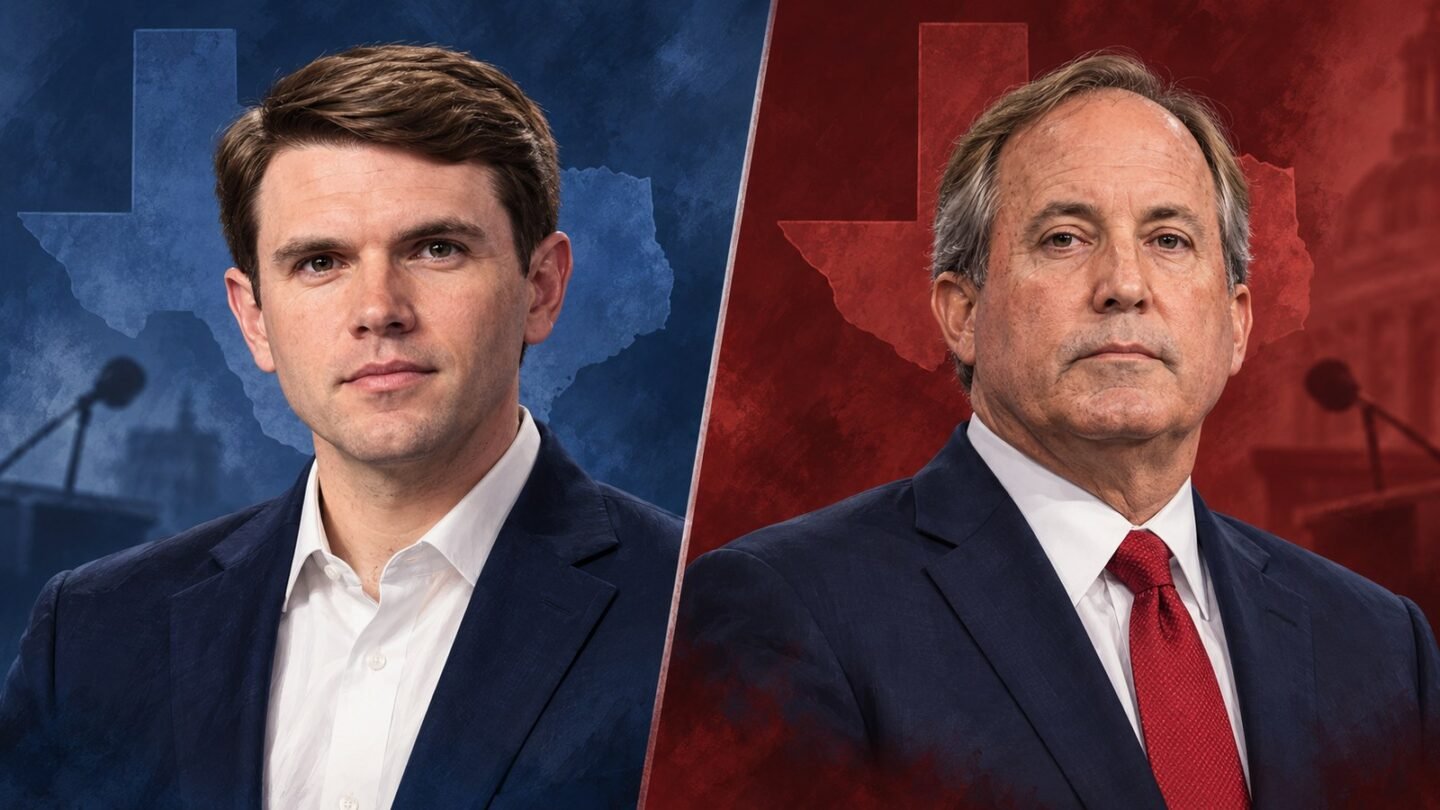
James Talarico has accepted a proposed Texas Senate debate, while Ken Paxton’s participation remained unconfirmed in September 30 reporting, putting candidate access before voters in the Midterm Elections 2026.
The Houston Chronicle reported that Talarico’s campaign accepted a Hearst Newspapers invitation and Paxton’s campaign had not responded. A separate Fox News proposal also remained conditional: the network was willing to host if both candidates committed.
That leaves two different questions: whether Paxton will accept the Hearst invitation, and whether the Fox News proposal will become an agreed event. Neither an unanswered invitation nor a conditional offer establishes a scheduled debate.
What each debate invitation establishes
The Talarico Paxton debate discussion involves several hosts, and their invitations should be assessed individually.
- Hearst Newspapers: The Chronicle’s September 30 account said Talarico accepted its proposed debate and Paxton’s campaign did not reply.
- Fox News: September 29 reporting said the network would proceed if both candidates agreed to participate. No mutually confirmed date was established in that report.
- WFAA/TEGNA and KXAN/Nexstar: Talarico accepted these invitations earlier in the campaign, according to The Texas Tribune. His acceptance alone did not establish Paxton’s participation.
The Tribune’s September 24 coverage also reported that WFAA had described weeks of earlier discussions with Paxton’s team, followed by unanswered messages after August 24. That account concerns WFAA’s invitation; it does not settle the status of another host’s negotiations.
Paxton previously said he intended to debate
Paxton’s campaign has offered a relevant counterposition. In July, senior adviser Nick Maddux told The Texas Tribune that Paxton planned to debate Talarico and would engage with potential hosts. The campaign had received the same invitations but did not commit to a specific organizer.
Later that month, Maddux said negotiations with one outlet were nearing agreement. He also objected to allowing Talarico to choose a moderator aligned with the Democrat’s politics, while saying Paxton would not expect Talarico to accept a moderator aligned with his own.
Those statements matter because they show an expressed willingness to debate under negotiated terms. They do not confirm acceptance of the Hearst or Fox News proposals now under discussion.
The remaining accountability question is specific: which invitation will Paxton accept, and what terms would resolve his campaign’s concerns? The published July response addresses his general position, but does not explain the unanswered Hearst invitation reported in September.
What voters could hear from both candidates
Talarico, the Democratic nominee and a Texas state representative, challenged Paxton to a Fox News debate during the September 24 Texas Tribune Festival. He proposed Bret Baier as moderator and said he was willing to face difficult questions.
A joint appearance would give Talarico an opportunity to explain proposals beyond campaign advertisements. His published platform calls for a federal public health insurance option, expanded tax credits for working families, and measures intended to reduce housing and prescription drug costs.
His campaign also proposes restrictions on congressional stock trading and changes to campaign finance rules. These are policy commitments, not enacted federal laws or proof of future results.
Paxton, the Republican nominee and Texas attorney general, presents a different agenda on his campaign website. He pledges to support President Donald Trump’s priorities on tax cuts, border enforcement and deregulation, alongside measures aimed at pharmaceutical and food companies.
A debate could allow each candidate to explain how those promises would work, how they would be funded, and where congressional action would be required. Both would also have an opportunity to respond directly to criticism of their records.
Why this matters in Midterm Elections 2026
Democrats and Republicans are competing for a Texas seat in the U.S. Senate, making the race part of the broader contest over congressional control. The Midterm Elections 2026 debate dispute concerns how voters can assess those competing choices before voting begins.
Within Democratic organizing, a Blue Wave describes a possible pattern of electoral gains, while Vote Blue No Matter Who is a party unity slogan. Neither term establishes the outcome in Texas, and neither should be attributed to Talarico as his own position without evidence.
Confirmed deadlines come before a confirmed showdown
Texas’s election calendar is settled even while debate arrangements remain unresolved. The Texas secretary of state’s September 28 notice sets October 5 as the voter registration deadline.
Early voting runs October 19 through October 30, and Election Day is November 3. Voters do not need to wait for a debate announcement to check their registration and make a voting plan.
The next substantive update will be an invitation-specific response or an announcement confirming both candidates, the host, date and format. Until then, the Midterm Elections 2026 record supports a careful distinction between Talarico’s acceptance and Paxton’s unconfirmed participation.