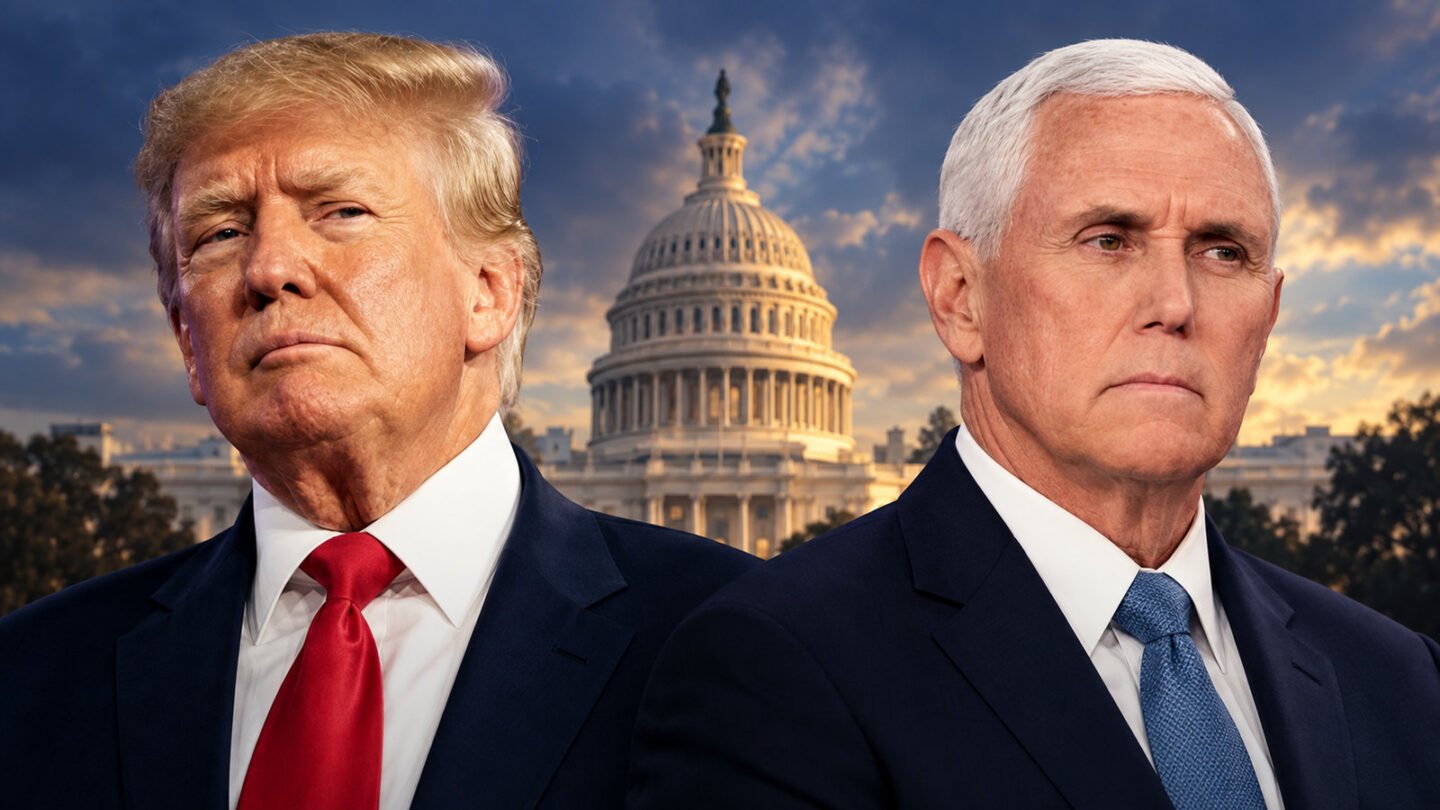
Former Vice President Mike Pence’s objection to the January 6 pardons is receiving renewed attention, but his warning about possible taxpayer payments needs an update. Pence said in a May 2026 interview that people who used violence against police or at the Capitol should not receive public money. Since then, the administration has rescinded the order creating a proposed compensation fund, while litigation over the plan has continued.
Pence made the remarks to Axios on May 19, after President Donald Trump agreed to settle a lawsuit against the Internal Revenue Service. The agreement called for a fund of about $1.8 billion for people who claimed they had been wrongfully targeted by the federal government. Some January 6 defendants could potentially have sought money from it. Pence did not say that such payments had already happened.
Pence also said he disagreed with Trump’s decision to pardon people who committed violence against law enforcement. His criticism links two separate issues: clemency for offenses related to the January 6, 2021 attack and a later proposal to compensate people who said the government had treated them unfairly.
Why the January 6 pardons drew Pence’s objection
On January 20, 2025, Trump signed a proclamation commuting the sentences of 14 named defendants to time served and granting full pardons to other people convicted of offenses connected to events at or near the Capitol. It also directed the attorney general to seek dismissal of pending cases related to those events. The sweeping action covered defendants convicted of assaulting police officers, as well as people convicted of less serious offenses.
Trump described the prosecutions in his proclamation as a grave injustice and presented his clemency as a step toward reconciliation. Pence drew a different line. In the Axios interview, he said he had not agreed with pardoning people who used violence against officers and hoped nobody who engaged in such violence would be rewarded with taxpayer money.
The proposed fund was not part of the January 2025 pardon proclamation. It arose from Trump’s 2026 IRS settlement. That distinction matters: a pardon addresses a federal offense or punishment; it does not automatically provide a payment.
What changed after Pence spoke
The status of the fund changed over the summer. Acting Attorney General Todd Blanche rescinded the order to establish it on August 2, according to Axios. The outlet reported that a judge had also barred the Justice Department from operating the fund. Axios noted a remaining legal question: the rescission did not itself remove the settlement provision calling for creation of the fund.
The dispute had not simply disappeared by September. In a lawsuit concerning the proposed arrangement, a federal magistrate judge ordered disclosure of the identities of officials who developed the plan, according to a September 5 report by The New York Times. Blanche had said the fund was dead, while Trump continued to express support for compensating people he believed had been wrongly prosecuted. The available reporting does not establish that a violent January 6 defendant received money from this proposed fund.
What the record says about Trump’s role
Pence’s comments also revive a broader question about Trump’s responsibility for the Capitol attack. The House January 6 committee concluded in its December 2022 report that Trump was the central cause of the events. It described his efforts to overturn the 2020 result, his invitation for supporters to come to Washington, his speech urging them to go to the Capitol and his response as violence unfolded.
That is a congressional investigative finding, not a criminal verdict. The word “mastermind” can imply that Trump planned or directed every violent act. The committee’s finding of central responsibility does not establish that more specific claim about every rioter or assault. People who entered the Capitol and attacked officers remain responsible for their own actions.
Special Counsel Jack Smith brought federal charges accusing Trump of trying to overturn the election. In a final report issued in January 2025, Smith said his office believed admissible evidence could have supported a conviction. The election case never went to trial. A judge dismissed it in November 2024 after prosecutors cited the Justice Department’s longstanding position that a sitting president cannot be prosecuted. Trump denied wrongdoing and called the case politically motivated.
Those distinctions allow a direct answer to the debate. The House committee assigned Trump central responsibility for January 6, and a federal prosecutor said the election case had sufficient evidence to proceed. A court did not convict Trump in that case, and the record cited here does not prove that he personally organized each violent act. The compensation dispute remains subject to litigation, with the August rescission and September court proceedings forming the latest verified updates in this account.