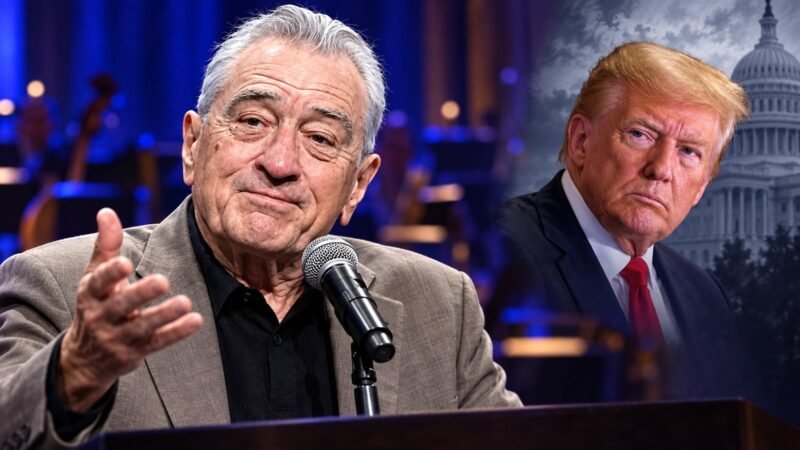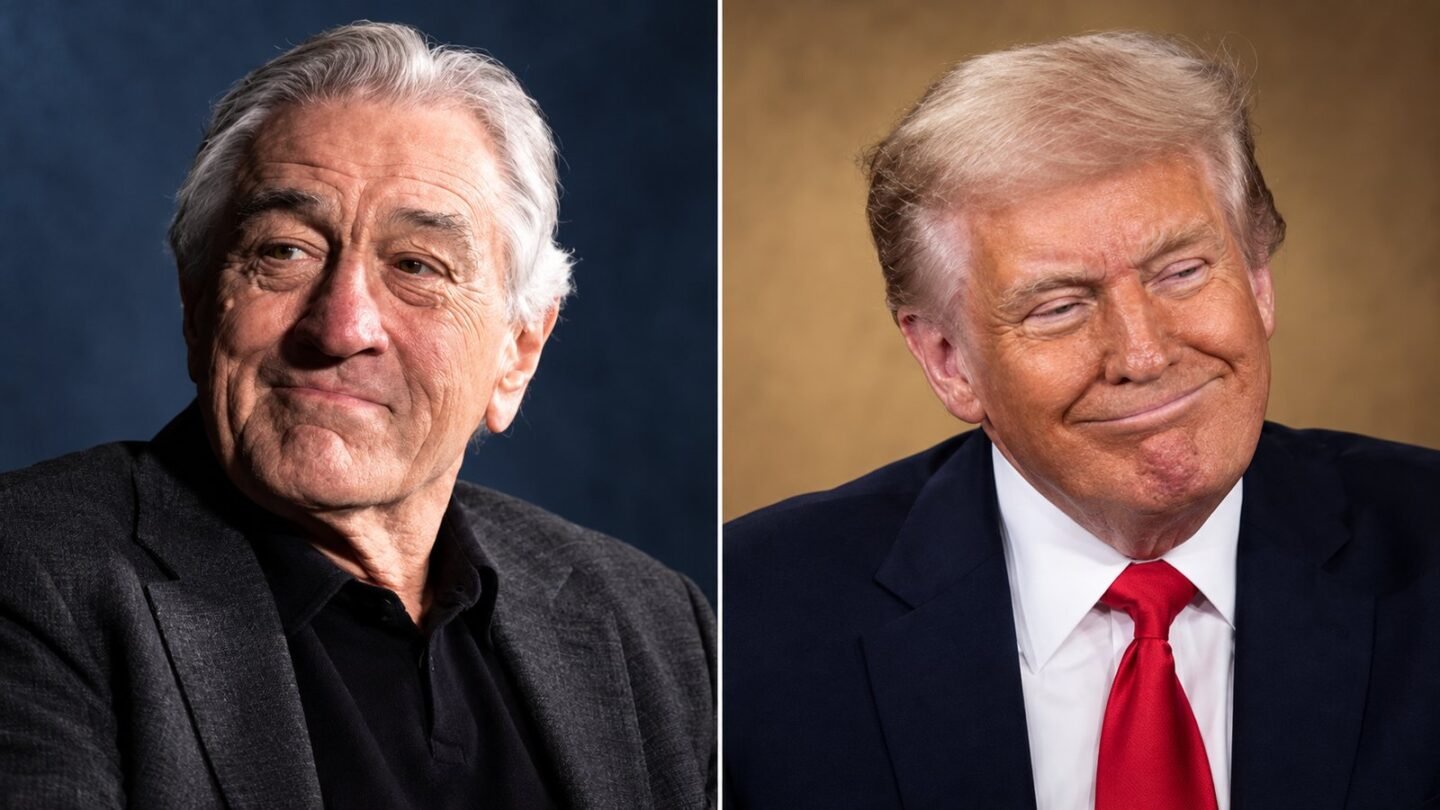
Actor Robert De Niro sharply criticized Donald Trump in a video released during the final month of the 2016 U.S. presidential campaign. The footage came from a voting initiative that had invited public figures to discuss what mattered to them in the election. De Niro’s comments were released separately from its main nonpartisan campaign video.
De Niro called Trump a “punk,” a “con” and a “bullshit artist,” among other insults. He also called him an “idiot.” These were De Niro’s opinions about the then-Republican presidential nominee, not findings of fact about Trump’s character or abilities.
The distinction matters when the clip or quotations appear without a date. De Niro made the remarks in 2016; the video is not a new statement about a current event.
How the Video Came About
Anonymous Content produced the #VoteYourFuture initiative to encourage participation in the November 2016 election. Its campaign invited well-known people to speak about issues they cared about and to encourage others to vote. The company described the wider project as nonpartisan.
De Niro took a different direction in his recorded segment. Rather than delivering a general message about voting, he focused on Trump and used blunt language to express his opposition to the candidate.
Contemporaneous reporting said the producers left his remarks out of the main campaign video because including them would have conflicted with its nonpartisan purpose. The footage was released on its own in early October 2016.
What De Niro Said
In the recording, De Niro used a series of insults to describe Trump. Alongside the words quoted above, he called Trump a “dog” and a “pig.” He accused Trump of failing to do his homework and said he did not care about the issues he was discussing.
De Niro also expressed concern about what a Trump presidency would mean for the country. His language was forceful and personal. Readers should understand the remarks as political criticism by an actor speaking during an election campaign.
A graphic that lists only the insults gives a narrower picture of the recording. The broader video shows De Niro arguing against Trump’s candidacy in response to a project centered on the importance of voting.
Why the Date and Context Matter
The footage was reported on October 7 and 8, 2016, shortly before the November 8 presidential election. Trump was a candidate at the time. De Niro was participating in a project created to prompt discussion about voting, although his individual comments were too partisan for its main release.
That timeline should accompany any present-day use of the quotation. Calling the video a new De Niro attack, or presenting the remarks as a response to a later Trump action, would change the meaning of the story without evidence.
The quotation also should not be turned into a factual claim by the publisher. Whether readers agree with De Niro is a matter of political judgment. The verifiable event is that he made the remarks in the 2016 recording.
The Public Debate
De Niro’s comments drew attention during a contentious election. They also illustrated a question that remains relevant when entertainers speak about politics: how much weight should voters give a celebrity’s view of a candidate?
People may agree or disagree with De Niro’s assessment. His remarks do not establish whether Trump’s policies, conduct or record meet any particular standard. Those questions require their own evidence and context.
For this story, the confirmed takeaway is specific: De Niro criticized Trump in a video connected to the 2016 #VoteYourFuture project, and the footage was released separately from the campaign’s main nonpartisan message. Any future development involving either man should be reported as a separate event, with its own date and sources.