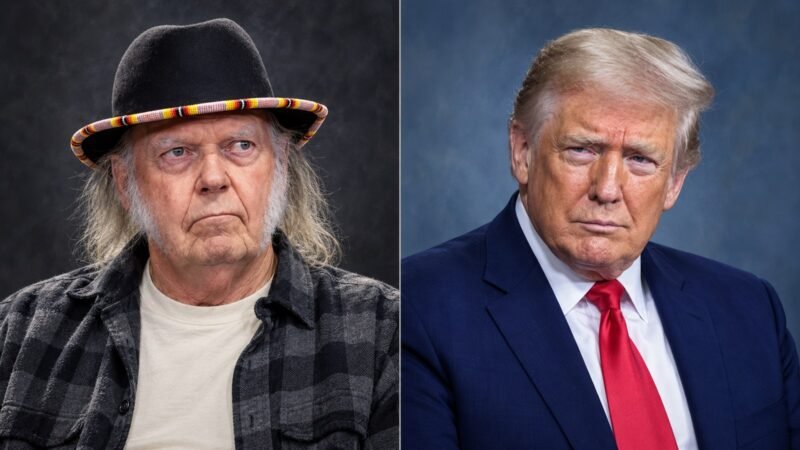
Jimmy Kimmel urged President Donald Trump to resign during his November 4 monologue, telling him to “quit already” after Democrats won the 2026 midterm contests for control of the House and Senate.
The Jimmy Kimmel Live! host challenged Trump’s explanation for Republican losses and used the broadcast to answer a White House attack on his earlier election-night coverage. His demand that Trump leave office was a political opinion delivered in a comedy monologue.
ABC’s official page dates the segment to November 4. LateNighter and TV Insider reported the resignation remarks on November 5, distinguishing the Wednesday broadcast from Kimmel’s initial response to the results on Tuesday.
Jimmy Kimmel challenges Trump’s midterm explanation
According to USA TODAY’s reporting, republished by AOL, Trump wrote on Truth Social on November 3 that Republicans would have won decisively if he had been on the ballot. Kimmel disputed the idea that the president could separate himself from the party’s performance.
“You were on the ballot. You’re like dog hair. You’re on everything,” he said, according to TV Insider’s account of the monologue.
The comparison was Kimmel’s argument about Trump’s political influence, rather than a literal description of the ballot. He accused the president of refusing to accept responsibility and portrayed the results as a rejection of his leadership.
TV Insider reported that Kimmel also criticized Trump’s response to other Republicans and the news media. The host’s central complaint was that Trump was directing blame elsewhere after the party’s losses instead of acknowledging his own role.
Later in the monologue, Jimmy Kimmel explicitly called for the president to step down. “Quit already. Just quit. Nobody wants you,” he said, as reported by LateNighter.
That sweeping statement expressed the host’s view. It was not a polling result or evidence that every voter opposed Trump, and the broadcast did not turn the congressional election into a presidential resignation.
The White House response concerned an earlier broadcast
The exchange also included a statement from White House spokesperson Davis Ingle criticizing Kimmel’s election-night monologue. LateNighter identified that earlier Tuesday show as the subject of the administration’s response.
Ingle called Kimmel a “no-talent loser” and attacked his ratings and audience, according to the outlet. USA TODAY separately reported receiving a statement from Ingle using the same criticism.
The ratings language was the White House’s characterization. The statement, as quoted in those reports, did not provide audience figures establishing the claim.
Kimmel answered by joking that making people laugh at him was part of his job. He also questioned the timing of calling him a loser immediately after Republicans had lost control of Congress.
The sequence matters: the quoted White House statement answered election-night coverage, while Kimmel’s direct resignation demand came in his following monologue. Reporting them as a single immediate exchange would blur those two broadcasts.
What the election result established
The Associated Press said it called Democratic control of the Senate late on November 3 and the House early on November 4. Its published chronology provides separate confirmation of the congressional outcome underlying the television commentary.
The AP account establishes which party won control of the chambers. It does not establish Kimmel’s broader argument that Trump personally caused every Republican defeat.
Hourly Times has separately explained why congressional midterms do not automatically end a presidency. That distinction is relevant to the difference between Kimmel’s demand for resignation and what voters actually decided.
Where to watch the monologue in context
ABC publishes the November 4 monologue on its official video page. Its description identifies both Trump’s response to the election and the White House’s criticism of the previous show as subjects of the segment.
Jimmy Kimmel’s remarks therefore belong to a specific post-election broadcast. The verified development is his public call for Trump to resign and his response to the administration’s criticism; the monologue itself does not measure whether late-night comedy changed voters’ choices.