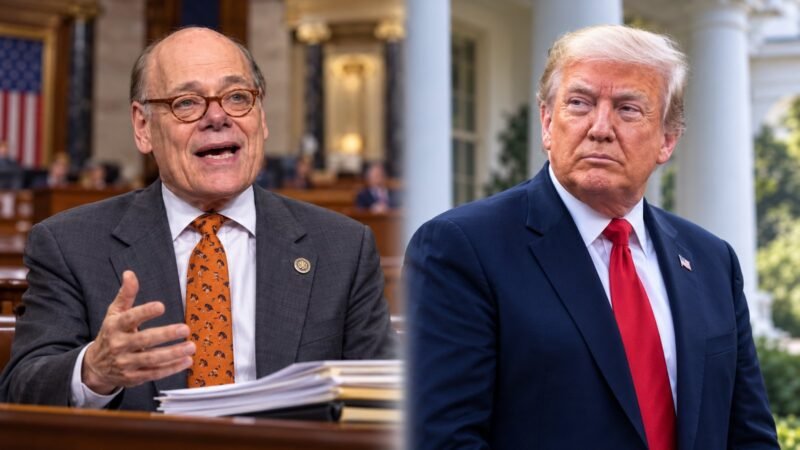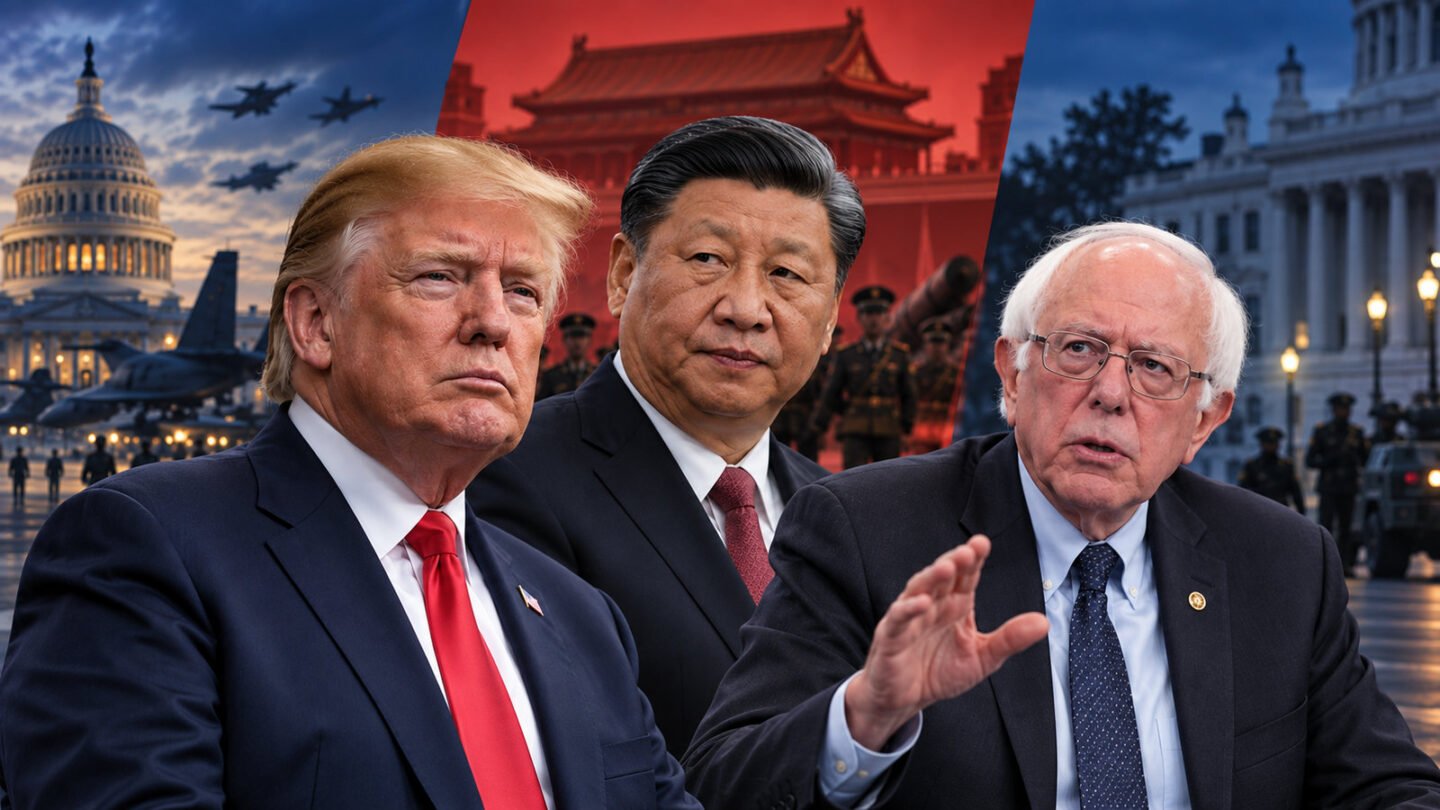
Sen. Bernie Sanders questioned President Donald Trump over a reported conversation about U.S. weapons sales to China in a September 28 social media post. The Trump China arms offer described by U.S. Ambassador David Perdue has since been disputed by Trump, while the State Department says there is no offer or plan to sell weapons to Beijing.
Sanders pointed to Perdue’s account while criticizing Trump’s calls for higher military spending and his resistance to tighter artificial intelligence rules. His post framed those positions as inconsistent with the ambassador’s account. It did not provide evidence that any weapons sale to China took place.
Perdue spoke on Fox News Sunday on September 27, after Chinese President Xi Jinping’s visit to Washington. Asked about U.S. arms sales to Taiwan, Perdue said Trump had explained to Xi that Washington sells arms around the world. According to Perdue, Trump also asked Xi at one point whether China would like to buy some. The ambassador did not say when that exchange allegedly happened or describe a proposed deal.
Trump China arms offer: what remains disputed
When reporters raised Perdue’s remarks on September 28, Trump suggested the ambassador may have been referring to Taiwan rather than China. Trump said he had not discussed selling weapons to China with Xi and would ask Perdue about his statement. He also suggested in passing that such a sale might be a good idea.
The State Department gave a more categorical response. It said U.S. law prohibits arms sales to China and that the administration has no offer or plan to make one. That distinction matters: Perdue described what he said was a question from Trump, not a completed sale or an announced change in policy. Trump denied that the discussion happened at all.
The public accounts remain in conflict. Neither Perdue’s interview nor Trump’s response establishes that a weapons transaction was negotiated. Chinese officials did not confirm Perdue’s description when asked about it, according to the Associated Press.
Taiwan is central to the dispute
The remarks arose during questions about American arms sales to Taiwan, the self-governed island that China claims as its territory. Beijing objects to U.S. weapons sales to Taiwan, while Washington has long provided Taiwan with defensive equipment. A reported pause in a large Taiwan arms package has added urgency to questions about the administration’s approach.
Perdue rejected the suggestion that Washington was denying Taiwan weapons to please Beijing. He portrayed Trump as a strong supporter of Taiwan and said the two presidents continue to discuss future U.S. sales to the island. His comment about a possible sale to China appeared within that explanation, rather than as an announcement of a new export policy.
Current U.S. export regulations generally call for denying licenses for defense articles and services destined for China. A president’s reported question in a diplomatic conversation would not by itself authorize the transfer of controlled U.S. weapons. The State Department’s statement says no offer or plan exists.
Why Sanders cited the Pentagon and AI
Sanders used the ambassador’s account to challenge the administration’s broader argument about competition with China. The White House’s proposed fiscal 2027 budget requests $1.5 trillion in total defense resources, up from the roughly $1 trillion defense topline for 2026. It is a budget request, not proof that Congress has approved that amount for 2027.
The senator also criticized Trump’s stance on AI safeguards. Trump has argued that restrictive rules could put the United States behind China, while Sanders supports a more cautious approach. On September 23, Sanders and Rep. Greg Casar introduced legislation that would pause some advanced AI development and create a federal agency to oversee the technology. That proposal has not become law.
Those military and AI positions are part of Sanders’s political argument. They do not establish whether Trump made the weapons remark Perdue described. The narrower, verifiable news is that a U.S. ambassador publicly attributed an unusual question to the president, and the president and State Department subsequently rejected the idea of an arms offer to China.
What remains unresolved
Perdue has not publicly supplied a date or further detail for the alleged exchange in the interview reviewed by news organizations. Trump said Perdue may have confused China with Taiwan. No U.S. arms sale to China has been announced, and the administration says none is planned.
The disagreement leaves Perdue’s account unresolved. Any further clarification from the ambassador or the White House could establish what was said, but until then the reported question must remain attributed to Perdue rather than stated as a confirmed remark by Trump.