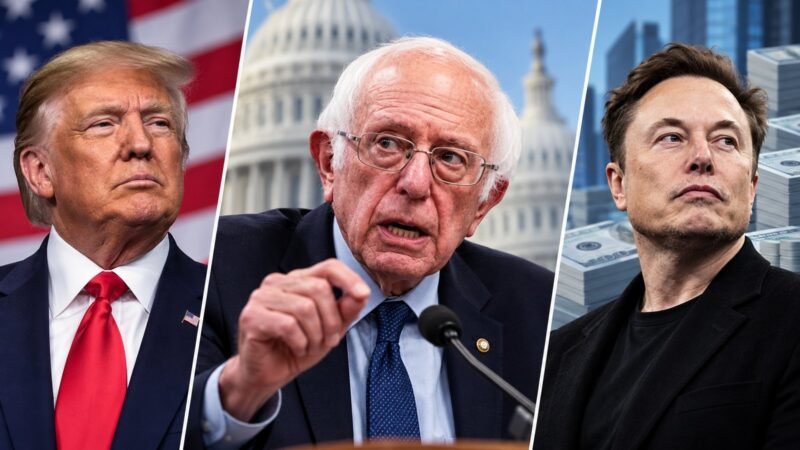
A new Reuters/Ipsos poll offers a snapshot of public opinion about Donald Trump’s presidency. It found 32% of U.S. adults approved of Trump’s job performance, while 17% approved of his handling of the cost of living. Those are polling results—not a verdict on how historians will rank him.
The statement in the supplied poll graphic—that Trump will be remembered as one of the worst presidents in living memory—is an opinion. The material provided does not identify who said it or link to the original statement, so the attribution cannot be verified. The poll figures cited alongside it come from a separate Reuters/Ipsos survey and do not directly test that historical judgment.
What the September poll found
Reuters reported on September 21 that the online poll surveyed 1,277 U.S. adults nationwide and had a margin of error of three percentage points. Overall approval was 32%, down from 35% in the previous week’s Reuters/Ipsos poll. Among Republicans, approval fell to 73% from 82%.
On the cost of living, 17% of respondents approved of Trump’s handling of the issue. The poll also found that 36% approved of his approach to immigration, compared with 55% who disapproved. On fighting crime, 35% approved and 50% disapproved.
These figures describe responses to specific questions at a particular time. They do not mean that 32% of respondents rated Trump among the worst presidents, or that the other 68% considered him one of the best. Job approval and historical ranking are different questions.
What approval numbers can tell us
An approval rating records whether respondents approve or disapprove of a president’s performance. It can shift as events unfold and as people judge policies, leadership and current conditions. A single poll captures opinion during its survey period; it does not establish how voters will feel later or how a president’s record will be judged over decades.
The poll’s margin of error also matters. A reported three-point margin describes sampling uncertainty around the estimate under the poll’s methodology. It does not account for every possible source of error, and it does not turn the result into a precise count of all Americans’ views.
Nor does the poll explain by itself why approval changed. Reuters reported that respondents were dissatisfied with the cost of living and noted the wider political context. The survey records people’s answers; linking those answers to causes requires care.
Why “worst president” is a judgment
People can reach sharply different conclusions about a president because they weigh different parts of the record. Critics may focus on decisions they believe weakened institutions, deepened division or harmed people. Supporters may point to policies and actions they believe served the country or challenged entrenched practices. Those are competing evaluations, not findings established by an approval poll.
Historians also assess presidencies across a longer period and use different criteria. They may consider domestic policy, foreign affairs, economic conditions, use of presidential power and long-term effects. A current approval result can contribute to understanding the political moment, but it cannot settle those questions.
It is fair to say that this poll found low overall approval and especially low approval on cost-of-living issues. It is not accurate to present those numbers as proof that Americans have already reached a shared historical verdict. The poll did not ask respondents to rank Trump against other presidents.
The question for readers
The claim that Trump will go down as one of the worst presidents is a prediction and a personal assessment. The supplied text does not provide a verifiable speaker for the quote. The Reuters/Ipsos poll does independently support the stated approval figures, but it measures current job approval—not future historical reputation.
Readers can judge Trump’s record using the issues they consider most important, while keeping the poll’s limits in view. Do you agree with the negative assessment, disagree with it, or see a mixed record? Which specific decision or policy most shapes your view?