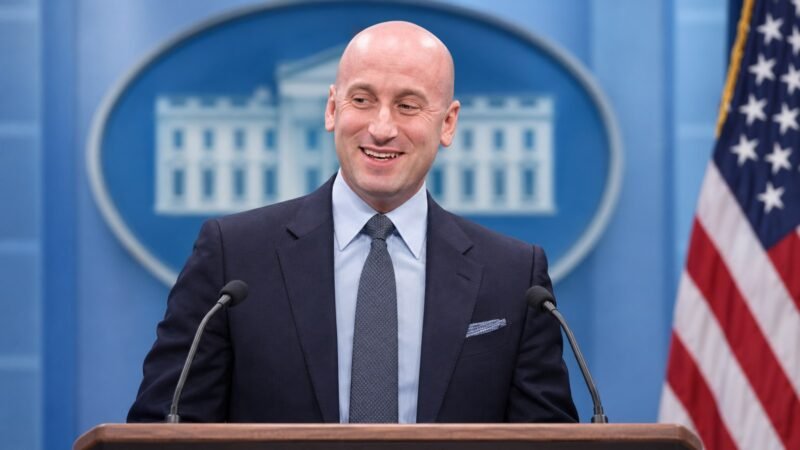
Michigan Sen.-elect Abdul El-Sayed defended his Israel criticism at The Atlantic Summit in Washington on Tuesday, November 17, saying concerns about discomfort should not prevent him from speaking about Palestinian suffering in Gaza.
Asked how he would answer someone who feared that his criticism encouraged antisemitism, the Democrat said he did not want to increase anyone’s fear. He then distinguished threats to a person’s safety from feeling uncomfortable about a political argument.
The exchange came during an interview with Atlantic staff writer Jonathan Lemire, shortly after El-Sayed won Michigan’s open Senate seat. His position on Israel and American military assistance had been an issue during the campaign.
How El-Sayed answered the Israel criticism question
El-Sayed began his answer by acknowledging the concern. “I’m sorry for your fear,” he said, before explaining that he did not want his words to cause it.
He argued that discomfort with his remarks should also prompt concern about injustice affecting Palestinians. Remaining silent about people being killed and civilian institutions being destroyed, he said, would give one group’s comfort greater weight than another group’s humanity.
His response addressed a hypothetical objection put to him by the interviewer. The reporting reviewed does not identify a particular audience member as having personally confronted him with that concern.
El-Sayed described Israel’s conduct in Gaza as genocide and accused the United States of enabling it. Those were his accusations during the discussion, rather than a legal ruling announced at the event.
Middle East Monitor reported the exchange on November 18. Daily Kos also published an account of the interview, including his distinction between safety and comfort and his insistence that Palestinian suffering remained a legitimate subject of criticism.
Equal rights and the political future of Israelis and Palestinians
The interview also addressed how El-Sayed views Israel’s national identity. He said the country should protect equal rights for its citizens without defining itself through a particular faith or culture, according to Jewish Insider’s account.
He declined to prescribe one political arrangement for Israelis and Palestinians. Instead, he said the people concerned should decide their future through negotiations on equal terms, whether that produced two states, a shared state or another arrangement.
Jewish Insider reported that some Michigan Jewish leaders had sought clearer assurances about Jewish sovereignty and antisemitism during the campaign. It also noted El-Sayed’s stated commitment to protecting Jewish Americans, while reporting that several leaders remained dissatisfied with his answers.
That disagreement provides context for the question about Israel criticism. His response set out how he understood the issue; it did not demonstrate that people concerned about antisemitism had accepted his distinction.
Michigan victory brings the debate to the incoming Senate
El-Sayed defeated Republican Mike Rogers in the November 3 election, becoming the first Muslim elected to the U.S. Senate. He won the seat being vacated by retiring Democratic Sen. Gary Peters.
The former public-health official campaigned on lowering household costs, reducing corporate influence in politics and expanding healthcare coverage. Reuters reported that Rogers also sought support from Jewish voters uneasy with El-Sayed’s positions on Israel.
At the summit, El-Sayed discussed domestic priorities alongside foreign policy. He said he would work with people willing to address political money, improve household finances and pursue Medicare for All, according to Daily Kos.
From public statements to a Senate agenda
Hourly Times previously covered El-Sayed’s conditions for working with President Donald Trump. That November 8 interview similarly framed cooperation around affordability and healthcare rather than agreement with the president’s broader politics.
His latest Israel criticism exchange explains a position he intends to bring to Washington. It does not itself introduce legislation or establish a change in U.S. policy.
El-Sayed remains senator-elect. His Senate term begins January 3, 2027, under the constitutional timetable for incoming congressional terms.