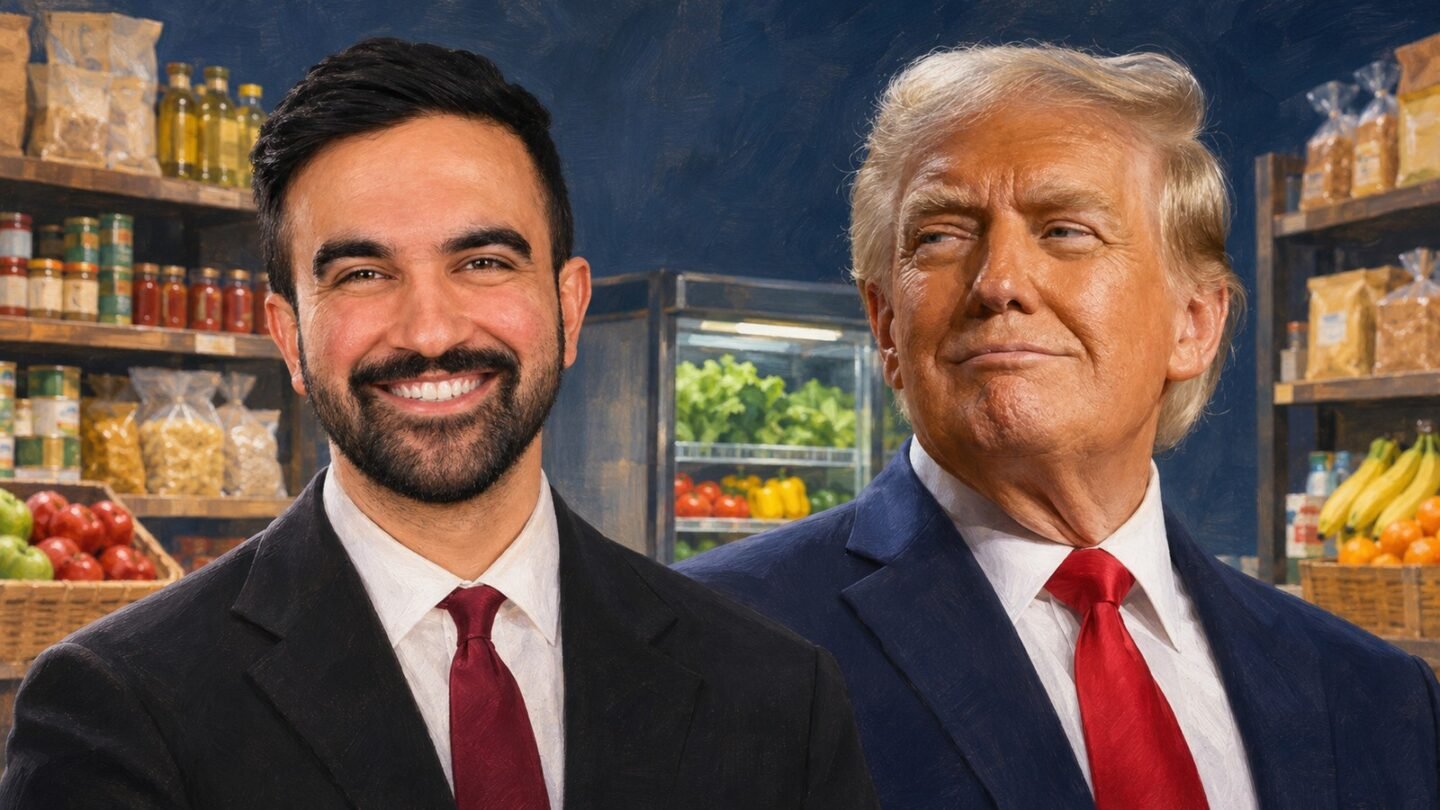
New York City Mayor Zohran Mamdani announced a nationwide SNAP retailer delay on November 13, saying talks with President Donald Trump secured more time for small stores to meet expanded food-stocking requirements. USDA separately confirmed a 90-day compliance extension effective that day.
The announcement gives participating retailers breathing room after the standards’ original November 4 implementation date. It concerns the inventory stores must carry to accept Supplemental Nutrition Assistance Program benefits, rather than a reduction in the benefits households receive.
Mamdani’s office said the agreement followed negotiations with the Trump administration. The mayor had previously requested six additional months, arguing that neighborhood stores needed time and guidance to adjust their shelves and supply chains.
What the SNAP retailer delay changes
USDA’s updated stocking-standards notice confirms the extension. The underlying requirements remain in place; the announcement provides additional compliance time rather than repealing the standards.
The rules require covered stores to offer seven varieties in each of four staple-food categories: dairy, grains, protein, and vegetables or fruits. Stores must keep three stocking units of every qualifying variety and offer a perishable variety in at least three categories.
That means 28 varieties and a minimum of 84 stocking units: seven varieties multiplied by four categories, then multiplied by three units. A stocking unit is the amount normally sold as one product, such as a bag, box or can.
The requirement therefore does not mean 84 different kinds of food. USDA also provides alternative eligibility provisions for certain specialty stores, farmers markets and direct marketing farmers.
Why bodegas asked for more time
More than 100 bodega owners contacted the city about the requirements, according to reporting on Mamdani’s earlier request. Their concerns included limited shelf space, refrigeration and the time needed to identify qualifying products and arrange deliveries.
In the mayor’s letter to Agriculture Secretary Brooke Rollins, bodega organizations estimated that SNAP purchases accounted for 15% to 20% of a typical store’s sales. Some Bronx owners reported shares as high as 30%, amNewYork reported. Those are attributed local estimates, not a nationwide measure.
Mamdani’s administration said the potential loss of SNAP authorization could hurt businesses and make nearby groceries harder to access for customers relying on food assistance. Officials met with bodega owners at City Hall before announcing the reprieve.
“We stood with them,” Mamdani said in the city’s announcement.
USDA previously defended the stocking standards
The department had initially declined to postpone the November 4 implementation date, amNewYork reported. Mamdani had asked to move enforcement to May 4, 2027, giving stores six more months.
USDA defended the policy as a way to give SNAP customers a wider choice of nutritious staple foods. Its final-rule explanation traces the expanded variety requirements to the 2014 Farm Bill and describes the 2026 regulation as implementing that mandate.
The SNAP retailer delay follows requests for additional time from outside New York City as well. In September, the convenience-store association NACS reported that 12 Republican senators had urged Rollins to delay compliance. The association had also organized an earlier letter signed by more than 200 retailers.
That broader campaign is relevant context for the nationwide extension, alongside Mamdani’s account of his discussions with Trump.
What happens next for stores and shoppers
Stores that fail to meet applicable requirements can lose SNAP authorization. USDA’s guidance says a retailer withdrawn for noncompliance must wait six months before reapplying. Earlier agency statements described compliance checks at authorization and reauthorization, rather than automatic removal of every noncompliant store on November 4.
The stocking rule itself does not change which foods shoppers may purchase with SNAP. Some products can remain eligible purchases even when they no longer count toward a store’s required staple-food inventory.
During the SNAP retailer delay, City Hall said it would help owners identify inventory gaps, connect with distributors and receive assistance in their preferred languages. USDA also publishes a stocking calculator and compliance resources. The next step is using the additional time to bring affected stores into compliance before enforcement resumes.