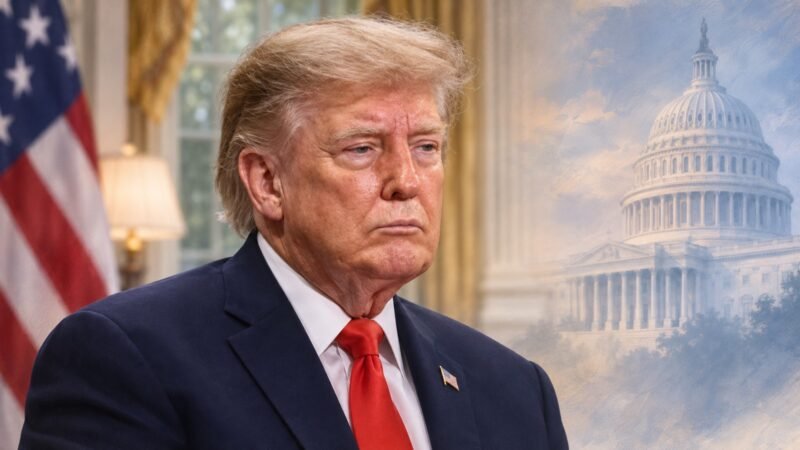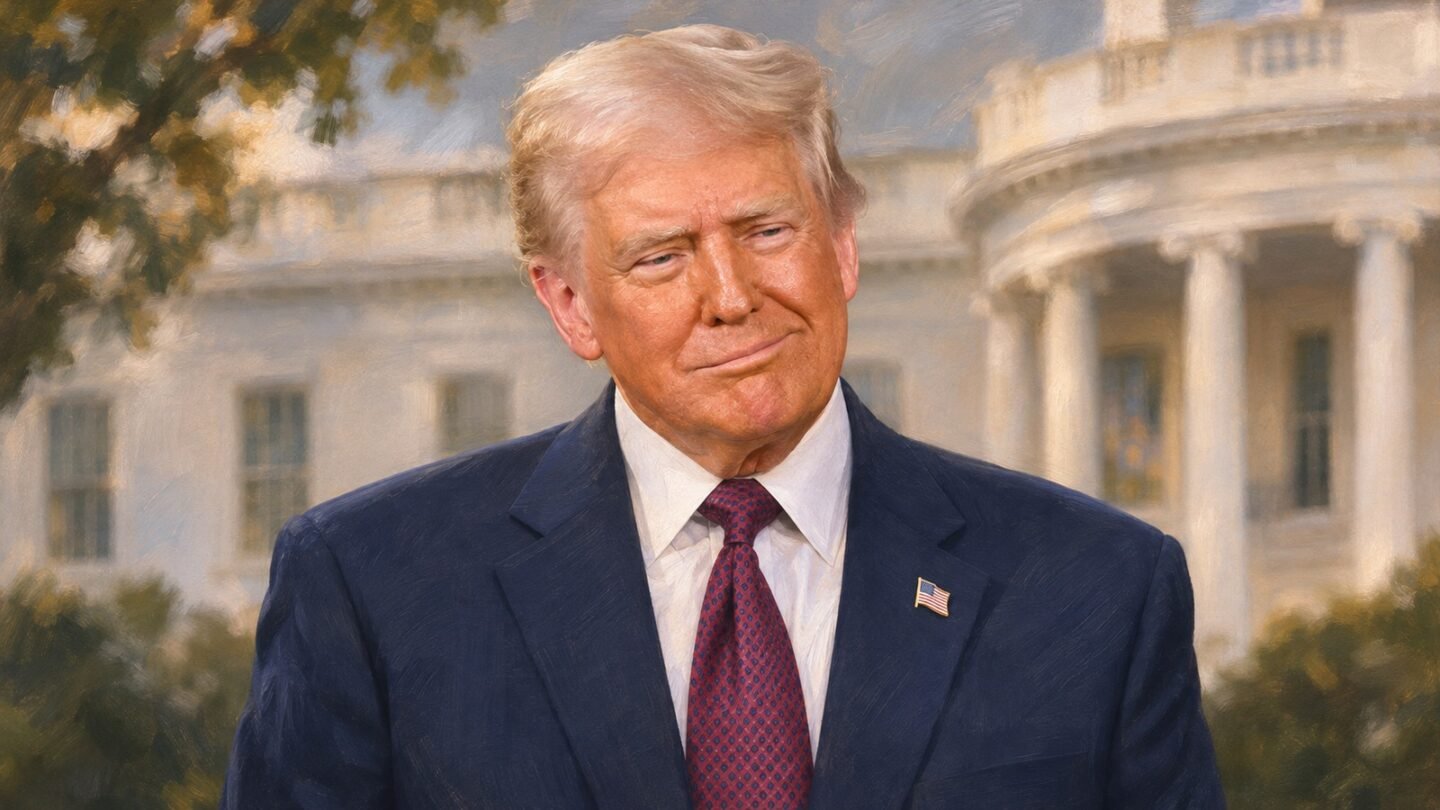
President Donald Trump said he doubted he could forgive his enemies, including political opponents such as Nancy Pelosi and James Comey, when asked a hypothetical question about entering heaven during his latest television interview.
Speaking with Ross Douthat on CBS’ “60 Minutes,” in an interview broadcast November 8, Trump described some adversaries as dishonest and harmful to the country. His comments came alongside a willingness to work with Democrats after their congressional election victories.
Could Trump Forgive His Enemies?
Douthat asked whether Trump could feel love and forgiveness for people he had described as enemies if that were necessary to enter paradise after death. The interviewer specifically named former House Speaker Pelosi and former FBI Director Comey.
Trump resisted the idea that he should give a reassuring answer simply because it would sound better. He presented his response as an effort to be honest about feelings he continued to hold toward his opponents.
“I found them to be extremely dishonest people, very bad people, very bad for our country,” Trump said. “I love our country far more than I can love people and people like that.”
Those descriptions were Trump’s judgments about his opponents. They were not findings established by the interview.
Douthat continued pressing the question, asking whether Trump’s answer would remain the same even “before the judgment throne of God.” The president did not offer the expression of forgiveness the interviewer was asking about.
Trump Cited His Own Grievances
As the exchange continued, Trump connected his answer to his complaints about the treatment he had received from political adversaries.
“I think they were very bad people and I dislike, I can use the word ‘hate,’ I do hate some of my enemies,” he said.
He then described those opponents as terrible and referred to what he called “the weaponization.” The phrase reflected his accusation that power had been used against him. The exchange itself did not establish wrongdoing by Pelosi or Comey.
Douthat challenged Trump to consider whether the advantages and successes in his own life could leave room for forgiveness. Trump continued to say that he probably could not forgive his enemies.
The discussion concerned Trump’s stated feelings toward people he regarded as enemies. It did not include an announcement of a new legal action or a specific government policy directed at the two people Douthat named.
Why the Interview Turned to Forgiveness
The subject followed questions about mortality and what Trump believed would happen after death. In that part of the conversation, Trump described himself as religious and expressed hope that he would go to heaven.
Douthat also recalled the contrast between remarks by Erika Kirk at her husband Charlie Kirk’s memorial and Trump’s remarks at the same service. As Deseret News reported, she had spoken about forgiving her husband’s killer, while Trump had spoken about hating political opponents.
The question about whether Trump could forgive his enemies was a hypothetical posed by Douthat. That background explains why the conversation focused on personal forgiveness and religious belief. Pelosi and Comey were examples included in the interviewer’s hypothetical.
Working With Democrats Remains a Separate Question
Elsewhere in the conversation, Trump suggested he could negotiate with Democrats on immigration. Variety reported that he also acknowledged his administration’s approach to deportations might have been too tough.
His willingness to discuss legislation followed earlier comments about possible cooperation after the midterms. Hourly Times previously reported on Trump’s offer to work with Democrats and his warning about vetoing bills.
The incoming Democratic majorities take office in January 2027. Until then, the existing Congress remains in place, so the election results do not immediately change congressional control.
The interview therefore contained two distinct messages: an openness to a political agreement and an unwillingness to promise personal forgiveness. Negotiating legislation and describing his feelings toward Pelosi, Comey or other opponents were separate subjects in the conversation.