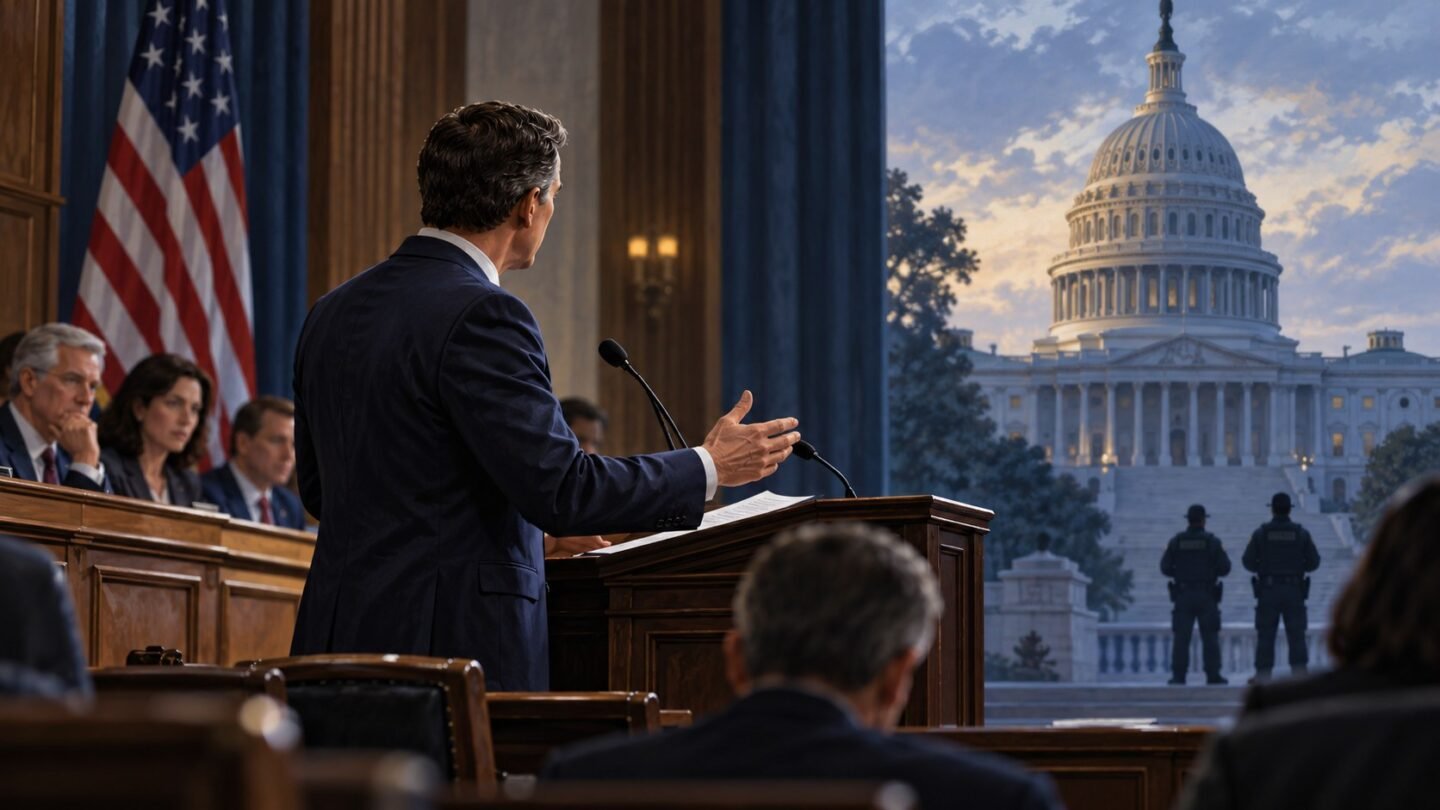
The House voted on September 15, 2026, to table Rep. Al Green’s impeachment resolution against President Donald Trump. The resolution accused Trump of abusing presidential power through the operation of Immigration and Customs Enforcement (ICE) and Customs and Border Protection (CBP).
The vote was 232–147, with 47 lawmakers voting present. The motion to table stopped the resolution from moving forward at that time. Green’s accusations—including that the agencies acted as “dangerous, unaccountable paramilitary police forces”—are allegations in an impeachment resolution. They are not judicial findings that Trump committed the alleged offenses.
The resolution, H.Res. 1486, cited the deaths of Renée Good, Alex Pretti, Lorenzo Salgado Araujo and Johan Sebastián Durán Guerrero. Green argued that the administration had failed to ensure accountability and had violated constitutional protections. The White House and Department of Homeland Security rejected the allegations.
What H.Res. 1486 Alleged
Green, a Democrat from Texas, filed the resolution on August 24. It accused Trump of abusing presidential power by allowing ICE and CBP to operate without sufficient oversight, violating constitutional rights and covering up unjustified killings.
The document cited protections involving free speech, searches and seizures, due process and equal protection. It also alleged that federal immigration officers had assaulted people and that the administration had obstructed state and local investigations.
Those statements describe Green’s case for impeachment. The resolution itself does not prove the allegations, and the House vote did not decide whether they were true. No court judgment was presented in the resolution as a finding that Trump personally committed the alleged acts.
The House Voted to Table the Measure
On September 15, the House approved a Republican motion to table the resolution by a vote of 232–147. Forty-seven lawmakers voted present. Tabling the measure prevented it from proceeding at that time.
Democratic House leaders said they would vote present, arguing that impeachment requires a serious investigative process, including gathering records, examining witnesses and holding hearings. They said that work had not been done for Green’s resolution.
The vote reflected both the allegations and a procedural disagreement about whether the resolution was ready for impeachment proceedings. It was not a trial or a judicial ruling on the conduct of ICE, CBP or the president.
White House and DHS Rejected the Allegations
The White House and the Department of Homeland Security disputed Green’s accusations. In statements reported by Fox News, a White House spokeswoman called the resolution an attack on law enforcement and defended ICE and CBP officers. A DHS spokesperson said the allegations were false and said officers are trained to use the minimum force necessary in dangerous situations.
Green’s resolution and the administration’s response represent opposing positions. Neither statement replaces independent investigation of specific incidents involving federal officers. The legal and factual status of each incident must be considered separately.
What the Resolution Means Now
The House vote halted this impeachment effort from advancing on September 15. It did not determine whether the allegations were accurate, and it did not resolve any separate investigations or legal disputes involving immigration enforcement.
The resolution’s claims about the named deaths and alleged coverups should remain attributed to Green unless independently established by evidence or official findings. Supporters of further scrutiny argue Congress should investigate the use of force and agency accountability. House Democratic leaders, while calling impeachment a constitutional tool, said a thorough investigative record should come first.
For now, H.Res. 1486 has been tabled. Any future congressional action would require a new decision by the House.