Rep. Randy Fine said on October 26, 2026, that his proposed scrutiny of naturalized Americans should apply to anyone who lied to obtain citizenship, including politically prominent people. Asked about Melania Trump and Elon Musk during a NewsNation interview, the Florida Republican declined to exclude either from that standard.
His answer was conditional. Fine did not present evidence that the first lady or Musk had committed citizenship fraud, and he said he did not know the circumstances of their cases.
The exchange has a narrower meaning than a claim that either person faces an announced deportation action. It concerned Fine’s position on how alleged dishonesty should be treated, not a court finding against either individual.
What Randy Fine said in the interview
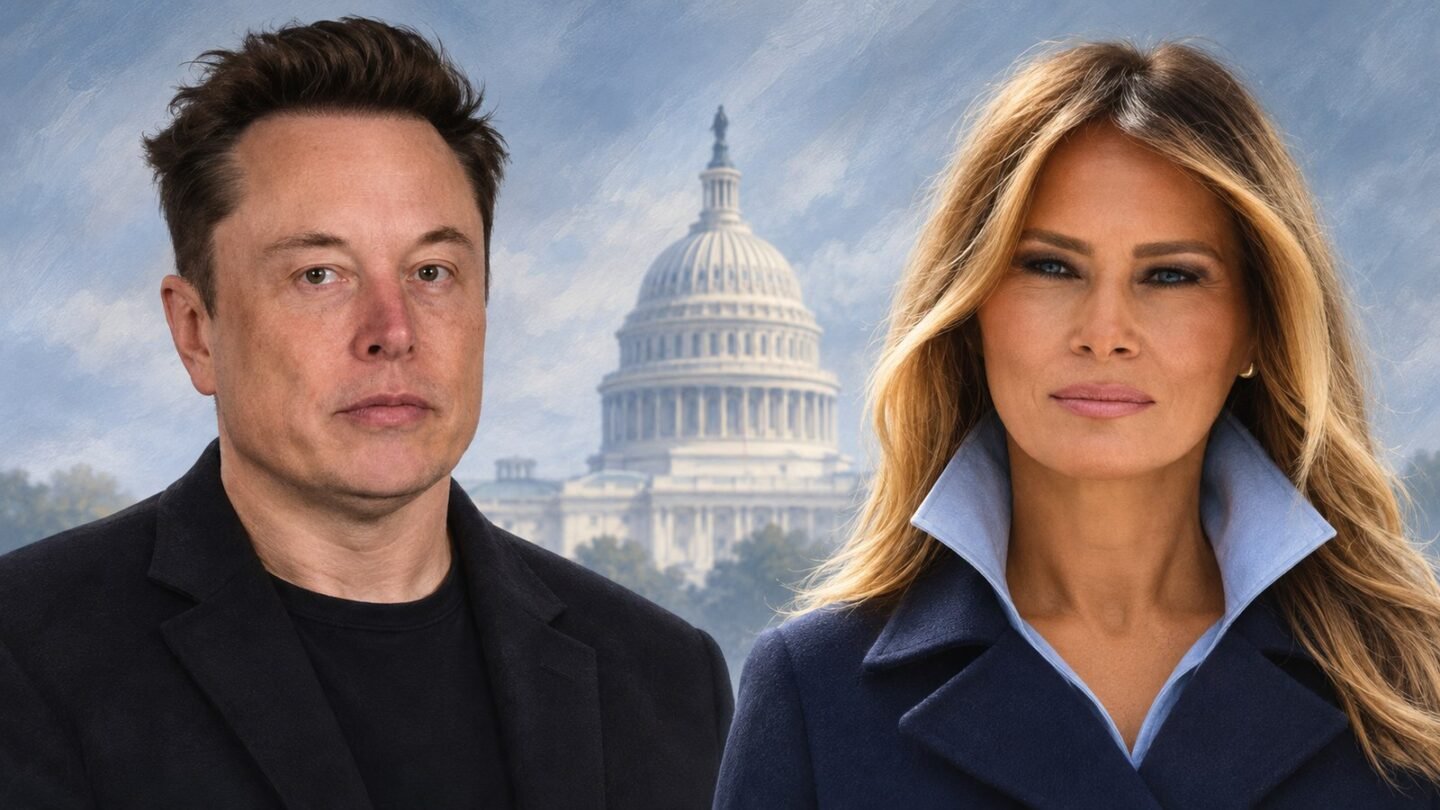
NewsNation anchor Nichole Berlie asked whether the scrutiny Fine wanted applied to Rep. Ilhan Omar should also extend to high-profile immigrants connected to the Trump administration. She specifically named Melania Trump and Musk.
According to Mediaite’s account of the October 26 interview, Fine responded by calling for a review of everyone who had become a naturalized citizen since 1990. Berlie then pressed him on whether that included the two people she had named.
Fine said he was referring to anyone dishonest in the citizenship process. He also acknowledged that he lacked information about the first lady’s and Musk’s individual circumstances.
“I believe anyone who lied on their paperwork to become a citizen should be denaturalized and should be deported,” Fine said, according to Mediaite.
The Independent reported the exchange on October 27. The underlying remarks therefore predate the November midterm elections and should not be presented as a new post-election announcement.
Citizenship revocation requires a legal case
Denaturalization means revoking citizenship obtained through naturalization. Federal law provides grounds for that action, but a congressman’s interview does not itself change someone’s citizenship or order their removal.
Under 8 U.S.C. § 1451, federal prosecutors may bring a civil case in a U.S. district court to revoke naturalization that was illegally obtained or procured through concealment of a material fact or willful misrepresentation.
The statute also provides notice and an opportunity to answer the government’s petition. Those procedures make the distinction between a political demand and a legal judgment important.
A separate provision addresses revocation following a criminal conviction for knowingly obtaining naturalization contrary to law. Civil proceedings and criminal prosecution are different routes, with their own requirements.
Why not every false statement has the same effect
In its 2017 decision in Maslenjak v. United States, the Supreme Court rejected the idea that any false statement during naturalization automatically supports a conviction under the criminal statute at issue.
The court held that the government must establish a connection between the unlawful act and the acquisition of citizenship. When the alleged illegality is a false statement, the question includes whether it influenced the naturalization process.
The ruling concerned a prosecution under 18 U.S.C. § 1425(a). It should not be reduced to a claim that every paperwork error has the same legal consequence or that any discrepancy automatically cancels citizenship.
The Justice Department’s immigration litigation guidance separately describes civil denaturalization cases as proceedings involving illegally obtained naturalization, concealment of material facts or willful misrepresentation.
A broad proposal, not a finding against either person
Randy Fine’s interview took place during discussion of his criticism of Omar, a Minnesota Democrat. The Independent reported that Omar denied wrongdoing in the dispute surrounding her immigration history.
Melania Trump became a U.S. citizen in 2006, while Musk became a citizen in 2002, according to The Independent. Both dates fall within the period Fine said he wanted reviewed.
That explains why Berlie’s question tested whether his proposed standard would also cover people close to Trump. It does not establish that either person’s citizenship was improperly obtained.
Randy Fine’s remarks remain a stated political position. Any effort to revoke an individual’s citizenship would require the government to pursue an applicable legal process and establish grounds in that person’s case.