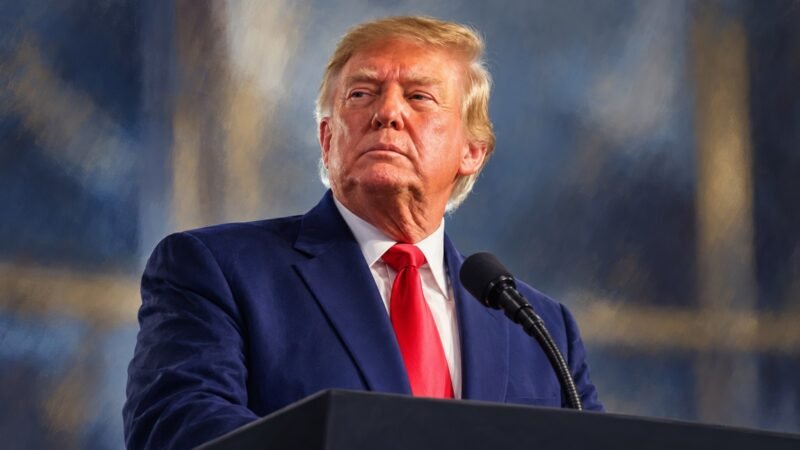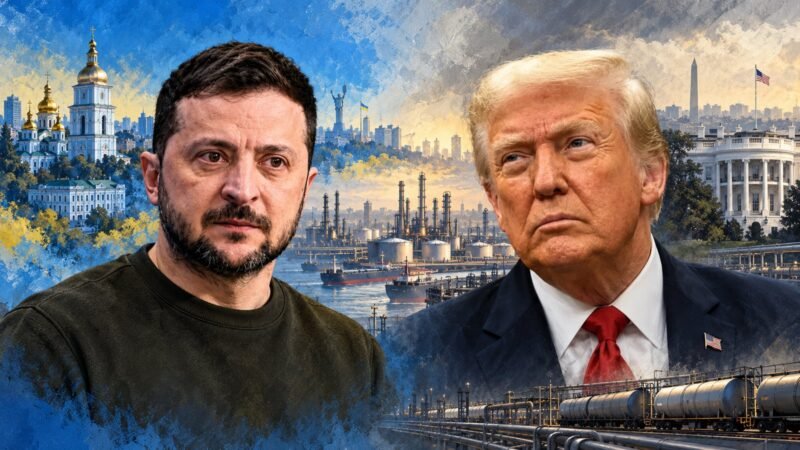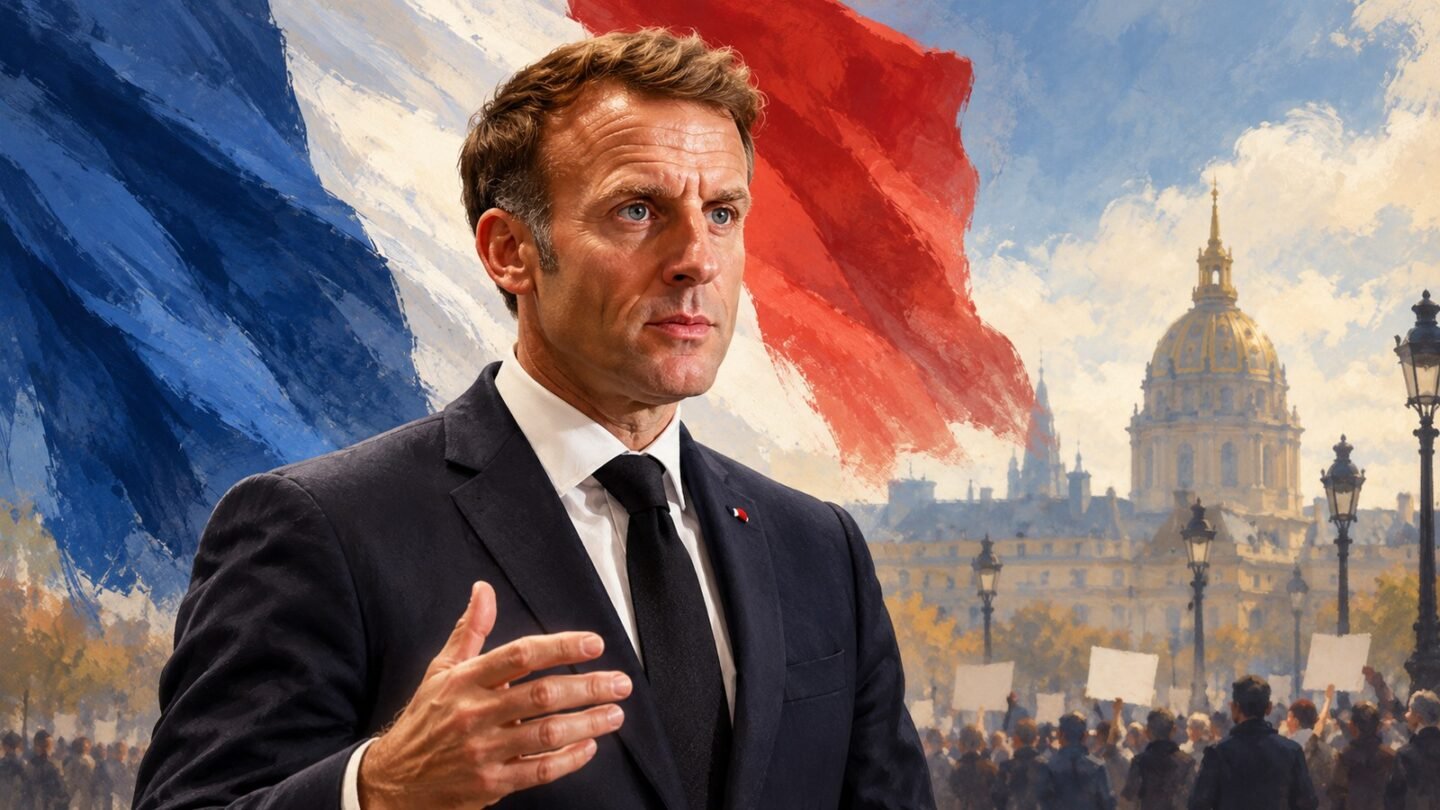
Emmanuel Macron rejected claims linking France’s unrest to migrants on October 21, calling comments by foreign leaders unacceptable and stupid after U.S. President Donald Trump blamed immigration for the violence.
Speaking to reporters during a visit to Qatar, the French president accused politicians facing elections of exploiting France’s difficulties for their own campaigns. Asked whether his criticism included Trump, he replied: “Among others.”
The exchange followed violence around nationwide demonstrations on October 17. The protests centered on living costs and education grievances, although looting, property damage and clashes with police overshadowed many peaceful marches.
What Emmanuel Macron said about foreign criticism
Macron said misleading information circulating after the violence had encouraged foreign leaders to make what he called “comments that are as unacceptable as they are stupid.” His criticism concerned their statements, rather than a direct description of Trump personally.
He rejected accounts portraying France as overwhelmed by migrants and Islamists. He also accused some leaders of repeating narratives and artificial-intelligence-generated material without properly checking what had happened.
Macron distinguished those allegations about information from foreign involvement in the violence itself. French reporting of his remarks records that he did not identify visible foreign interference in the actual events.
That distinction matters: accusing politicians abroad of misrepresenting unrest is different from asserting that a foreign government organized the riots. His remarks should not be presented as proof of the latter.
Trump linked the unrest to immigration
Trump had urged France to close its borders and portrayed the disorder as a warning about immigration. He also used the unrest in messaging to American voters before the November 3 congressional elections.
His argument was that France’s experience showed the dangers of admitting migrants and the risks of supporting Democrats in the United States. Those were campaign claims, not findings released by investigators in France.
An Associated Press fact check reported that French authorities had not established that immigrants were responsible for the rioting. It also cautioned that the precise social makeup of those involved was difficult to determine.
That lack of evidence does not establish that no migrant participated. It means there is no verified basis in the reviewed reporting for assigning collective responsibility to migrants or a religious community.
School grievances and living costs drove demonstrations
The movement began with student demands over school conditions and funding before expanding to include trade unions and others protesting inflation and household expenses, according to Anadolu and Euronews reporting.
Teacher shortages, underfunded schools and expensive fuel formed part of the wider dispute. The demonstrations brought together groups with different demands, rather than a single movement organized around immigration.
Emmanuel Macron has condemned the violence while maintaining that the government must respond to legitimate grievances. His administration faces questions about both its handling of the protests and the conditions that brought people into the streets.
The distinction between peaceful demonstrators and people committing crimes is central to that response. Images of looting document particular incidents; they do not, by themselves, identify every participant or explain the motives of an entire protest movement.
France prepares for further protests
Further demonstrations were planned for Saturday, October 24. Macron said the authorities would use existing legal powers to prevent renewed disorder, including targeted curfews and restrictions on gatherings.
He said a state of emergency was not necessary at that point, while leaving open the possibility of additional action if conditions changed. He also announced a Thursday meeting with ministers and intelligence officials to review the October 17 events.
Reuters reported that unions were continuing preparations for a November 5 general strike after talks with the government ended without resolving their demands over living costs and public services.
Emmanuel Macron’s criticism also raised a separate question about online material. AP reported that he did not identify the specific AI-generated images he was discussing or provide details establishing their falsity. His allegation therefore remains attributed to him.
The immediate issues are preventing further violence, addressing protesters’ demands and establishing responsibility through evidence. The dispute with Trump adds a diplomatic argument over how those events are being portrayed abroad.