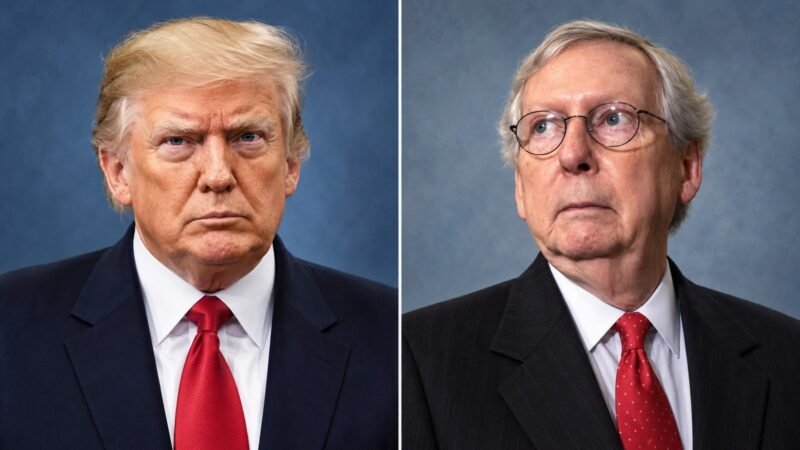
A Nancy Sinatra quote describing a future without Donald Trump as a glorious day has partial support in search-indexed text, but its full context and claimed June 2026 date remain unverified. The available X result uses the word “him,” while the supplied political graphic names Trump directly.
The distinction limits what can responsibly be reported. Similar wording is associated with the @NancySinatra account in a search result. However, the original post could not be read directly, and the preceding conversation was unavailable. I cannot independently confirm this claim as a fully verified June 2026 statement about Trump.
That finding does not establish that the quotation was invented. It means the evidence supports a narrower description than the caption, which presents the attribution, subject and timing as settled facts.
What the Nancy Sinatra quote evidence shows
The indexed X result contains this wording: “When we are rid of him and when we stop talking about him will be a glorious day indeed.” The result points to a post address under @NancySinatra.
The uploaded graphic paraphrases that sentence by naming Donald Trump and referring to America. A paraphrase can communicate an interpretation, but it should not be represented as an exact transcription when its words differ from the source text.
The pronoun is especially important. Without the surrounding exchange, the indexed sentence alone does not conclusively identify who “him” refers to. Sinatra’s documented criticism of Trump provides background, but background cannot replace the missing conversation.
The same caution applies to the date. The supplied caption says June 2026, but a readable original timestamp was not available. A date appearing elsewhere in a search snippet cannot automatically be assigned to the specific sentence being checked.
Her separate criticism of Trump is documented
Published reporting establishes other criticism without resolving this Nancy Sinatra quote. The Independent reported in December 2025 that she rejected a claim her father would have supported Trump.
Entertainment Weekly reported on April 19, 2026, that Sinatra objected after Trump shared a video of Frank Sinatra performing “My Way” on Truth Social. It quoted her response as “This is a sacrilege.”
The publication also reported that she said publishers were the parties able to take action when asked whether she could stop the sharing. That was her stated position, rather than a court ruling about the particular video.
The December and April episodes are separate from the disputed sentence. Neither establishes that she wrote the supplied wording in June or explains the context of the inaccessible post.
The graphic asks an opinion question, not a polling question
The image ends by asking whether readers agree. That invitation is different from evidence about what Sinatra wrote. Agreement with the sentiment cannot authenticate the statement, while disagreement cannot demonstrate that it is false.
No scientific survey accompanies the supplied material. It therefore does not establish how many Americans want Trump to leave office, how strongly they feel or whether they share Sinatra’s reported political views.
The caption also describes contrasting views among Trump’s critics and supporters. Those broad summaries do not supply missing evidence for the quotation. A claim about national opinion would need its own identifiable polling source, question wording and methodology.
What remains unresolved
The Nancy Sinatra quote has a traceable search lead and closely matching text. The unresolved questions concern the original timestamp, the identity of the person being discussed and the surrounding exchange. Those details would determine whether the graphic fairly represents the source.
A readable original post with its conversation, an authenticated archive or reliable reporting reproducing the complete exchange could resolve those questions. Until then, the strongest supported finding is partial textual corroboration with incomplete context.
Sinatra’s documented opposition to Trump can be reported with attribution. The specific June claim should remain qualified, and the wording should not be promoted as a newly verified statement. This assessment can be updated if the original context becomes available.