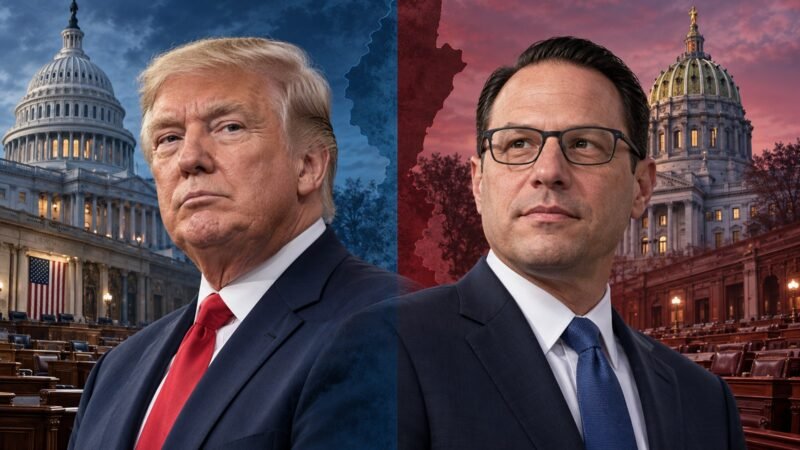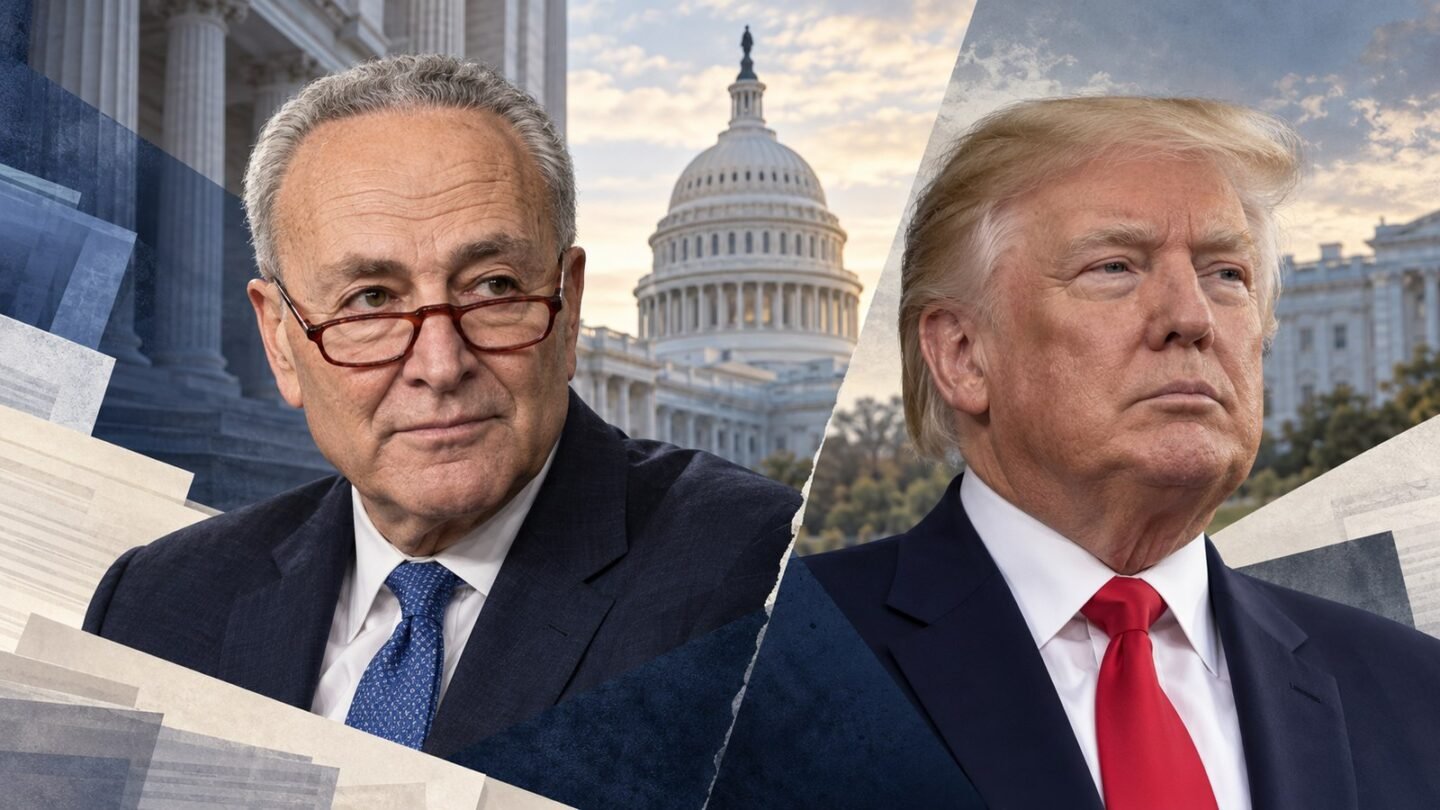
The Senate blocked advancement of a congressional stock-trading bill on September 30, leaving Democrats and Republicans divided over its financial restrictions and voter identification provisions before the Midterm Elections 2026. The procedural vote was 53–47, below the 60 votes required to advance H.R. 7008, the Stop Insider Trading Act.
Senate Democratic Leader Chuck Schumer argued that the Republican-backed measure left significant conflicts of interest intact. Senate Majority Leader John Thune defended it as a practical restriction on stock purchases, paired with a photo identification requirement for federal voting.
The disagreement concerns both the strength of the financial rules and the decision to combine them with election legislation. President Donald Trump’s administration had endorsed the House bill in July, while Democratic opponents sought broader restrictions.
What the Senate stock-trading vote decided
The official Senate roll call records rejection of cloture on the motion to proceed. All 53 Republicans voted yes; Democrats and the two independents voted no.
The House-passed measure would generally prohibit members of Congress, their spouses and dependent children from purchasing covered investments. Existing holdings could remain, with advance public notice required before covered sales.
According to Medill’s reporting, supporters presented the proposal as a step toward restoring confidence in Congress, while Democratic opponents objected that it preserved existing portfolios and did not cover trading in privately held companies.
The exceptions behind Democrats’ objections
The House-passed bill text permits dividend reinvestment into the same covered investment automatically or without delay. It also contains occupational exceptions for spouses and dependent children, including certain employment compensation and fiduciary obligations.
Those provisions have conditions. They should not be described as blanket permission for relatives to conduct any transaction they choose. The central disagreement is whether the exceptions and continued ownership undermine the purpose of restricting lawmakers’ financial interests.
Schumer’s September 30 remarks criticized continued ownership and sales, privately held investments and the absence of restrictions on Trump under this bill. He called for a stronger approach and said Democrats had offered alternatives.
Campaign Legal Center, which opposed the legislation in a July letter, argued that a purchase-focused restriction would leave the underlying conflict between private investments and public responsibilities unresolved. Its criticism is an advocacy position, rather than a finding that any named official committed a crime.
Republicans defend purchases ban and enforcement
Thune described the proposal as a stock purchase ban covering lawmakers and their immediate families. He emphasized public notice before sales and penalties for violations, arguing that the measure would strengthen the standards expected of elected representatives.
The distinction matters to the parties’ competing descriptions. Republicans presented new purchase restrictions as meaningful reform. Democrats argued that a measure preserving ownership and allowing sales was inadequate as a comprehensive trading ban.
The Trump administration’s July 22 statement strongly supported H.R. 7008 and said senior advisers would recommend that the president sign it if presented in its then-current form. The statement favored restrictions on purchases, advance disclosure and penalties.
That endorsement explains the administration’s position on the bill. It does not establish a new presidential response to the September 30 Senate vote.
Why voter identification became part of the dispute
Thune explicitly defended pairing the financial rules with a photo ID measure. Schumer objected to the voting provisions, arguing that they made the package unacceptable rather than strengthening ethics reform.
Campaign Legal Center’s July assessment raised concerns about eligible voters without qualifying documents and the treatment of Tribal identification. Supporters, including the administration, argued that identification requirements would strengthen confidence in federal elections.
The voting section would have its own implementation timetable. The House-passed text specifies 90 days after enactment for that section and 180 days for the investment restrictions. Neither timetable began with this Senate vote.
What the dispute means for Midterm Elections 2026
The Midterm Elections 2026 will determine control of the next Congress. Reuters reports that the failed legislation gives Republicans an argument against Democrats, while Democratic leaders say the proposal falls short of the stronger restrictions they support.
The vote does not establish a Blue Wave or any other election outcome. Vote Blue No Matter Who is a Democratic electoral slogan, not a conclusion supported by this legislative result.
For the Midterm Elections 2026 debate, the documented distinction is between supporting this specific package and supporting broader financial restrictions. No verified date for another vote on H.R. 7008 was identified in the reviewed materials. The next confirmed national electoral test is November 3.