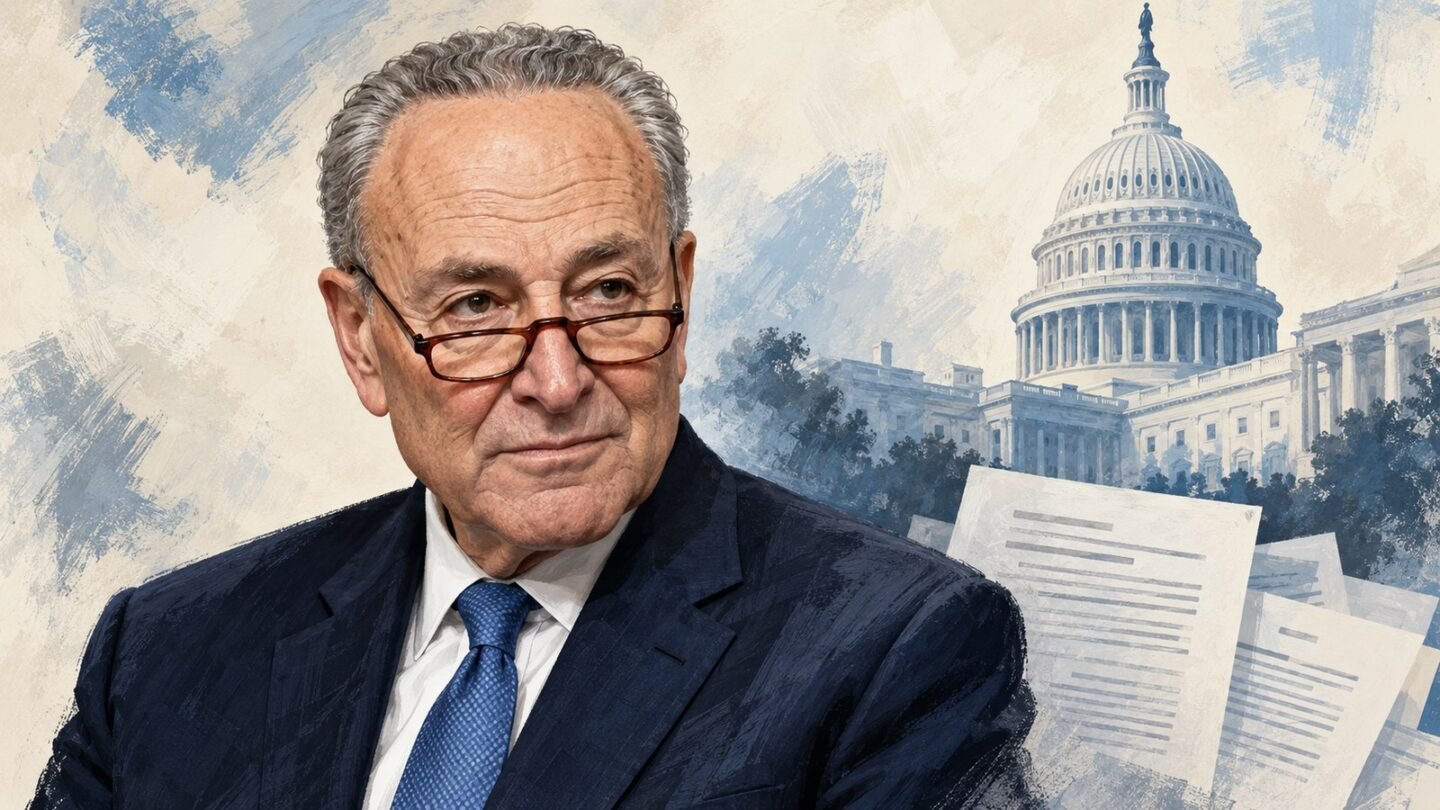
The House-passed Stop Insider Trading Act would restrict congressional stock purchases, but it would not require lawmakers to give up all existing individual-stock holdings. That distinction matters in the Midterm Elections 2026 debate over what counts as a congressional stock-trading ban.
H.R. 7008 passed the House on July 22, 2026, by 232–198. Republican Rep. Rob Wittman voted yes. The Senate rejected a motion to advance the measure on September 30, by 53–47. That procedural vote did not put its proposed rules into law.
Finding: Describing the measure as a complete ban on owning or trading individual stocks would be inaccurate. Describing it as a purchase restriction with exceptions, advance disclosure for sales and enforcement provisions is more precise.
What the bill would restrict—and what could remain
The House-passed text generally prohibits members of Congress, their spouses and dependent children from purchasing covered investments. It allows covered sales with public notice seven to 14 calendar days beforehand. Existing holdings would not face a blanket divestment requirement.
A hypothetical example makes the distinction clear. A lawmaker who already owned shares in a publicly traded company would not automatically have to dispose of that holding under this bill. A proposed restriction on buying more shares and a requirement to remove the existing holding would be different rules.
That example does not establish that any particular lawmaker traded improperly. It explains why the policy description matters: preventing a new purchase does not, by itself, eliminate a financial interest that already exists.
The exceptions require careful descriptions
The purchase restriction has specified exceptions, including automatic or prompt reinvestment of dividends into the same investment. Occupational provisions also cover certain transactions involving spouses or dependent children. Those provisions do not amount to unrestricted permission for family members to trade a lawmaker’s portfolio.
The bill’s covered-investment definition also excludes specified funds, small-business interests and qualifying trust arrangements. Coverage therefore depends on the investment and the relevant conditions, not simply on whether an account contains an asset casually described as a stock.
For readers comparing proposals before the Midterm Elections 2026, three questions should remain separate: who is covered, which investments are covered and which transactions are prohibited. A proposal can answer one question broadly while taking a narrower approach to another.
The committee report explains the supporters’ rationale: restricting purchases and requiring advance notice would strengthen public confidence. That is the stated policy purpose. Whether those measures sufficiently address conflicts of interest is a separate judgment.
What Wittman, the administration and Schumer said
Wittman’s July 22 release presented his vote as strengthening accountability. Its specific summary described purchase restrictions, advance notice for sales and penalties. Those provisions are real elements of the proposal. His recorded vote should not be described as opposition to every stock-trading restriction.
President Donald Trump’s administration endorsed H.R. 7008 in a July 22 policy statement. It emphasized restrictions on purchases, advance disclosure and stronger penalties, and said senior advisers would recommend signing the bill if presented in its then-current form.
Senate Democratic Leader Chuck Schumer argued on September 30 that allowing continued ownership and sales meant the proposal fell short of a genuine trading ban. His criticism identifies a real distinction, although his broader assertion that the bill contained no reform goes beyond what the text supports.
The measure would introduce restrictions even though it would not eliminate all individual-stock ownership. Neither a sweeping Republican description nor a sweeping Democratic dismissal should replace an explanation of the actual provisions.
For the Midterm Elections 2026, this is a policy disagreement between Democrats and Republicans about the scope of reform. The bill text can establish its limits; it cannot establish an individual legislator’s motives.
Existing insider-trading law is a different question
House ethics guidance explains that members of Congress are already subject to insider-trading prohibitions and may not use nonpublic information obtained through their official responsibilities for private profit. H.R. 7008 should not be described as creating the first prohibition on congressional insider trading.
An ownership ban would address a different issue from proving misuse of information in a particular transaction. One concerns what investments an officeholder may retain; the other requires evidence about conduct. A financial disclosure alone does not settle that second question.
This distinction also protects the accuracy of Midterm Elections 2026 campaign reporting. Supporting stronger restrictions is a policy position. Accusing someone of violating existing law requires additional evidence and should not follow automatically from the existence of a portfolio.
What the Midterm Elections 2026 debate can establish
The Senate’s September 30 vote concerned opening consideration, not final passage. The official record lists 53 votes in favor and 47 against, short of the required three-fifths threshold. Hourly Times’ coverage of the Senate stock-bill dispute explains the legislative context.
The package also includes voter photo-identification provisions. Opposition to the combined measure therefore cannot automatically be treated as opposition to every possible congressional investment restriction.
Blue Wave describes a possible Democratic electoral scenario. Vote Blue No Matter Who is a Democratic campaign slogan. Neither establishes what this legislation would prohibit or predicts the election result.
The verified distinction remains straightforward: this proposal would restrict covered purchases and regulate sales while allowing existing holdings to remain. Voters comparing reform promises should ask candidates whether they support restrictions on purchases, continued ownership, sales or a combination—and examine the proposed text behind the answer.