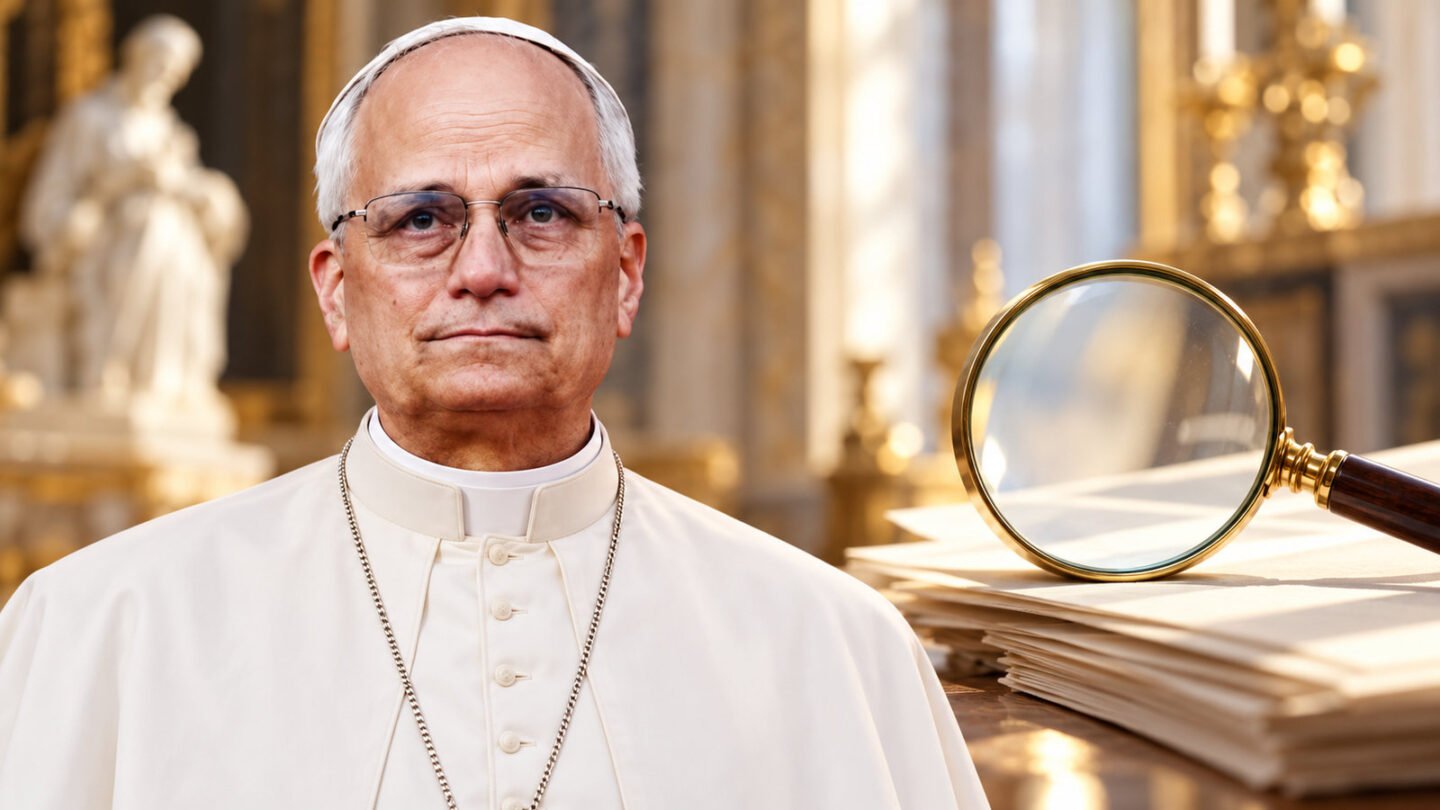
The Pope Leo woke quote circulating online is not supported by an authentic speech or statement from Pope Leo XIV. Posts say he described being called “woke” in a world that ignores suffering as no insult. The words may express a view some readers share, but they should not be presented as something the pope said.
The wording began circulating soon after Leo’s election in May 2025. Full Fact checked Vatican records and his social media accounts and found no evidence for the attribution. It also traced an early version to a Threads user who later said they had made up the words with help from AI. The fact-check concerned a longer version of the saying; the shorter version now being shared carries the same unsupported attribution.
Where the Pope Leo woke quote came from
Full Fact identified a May 9, 2025, Threads post as the earliest version it could locate. The account later said it had created the words. That does not prove every later image came from the same account, but it offers a documented explanation for how a supposed papal statement spread online.
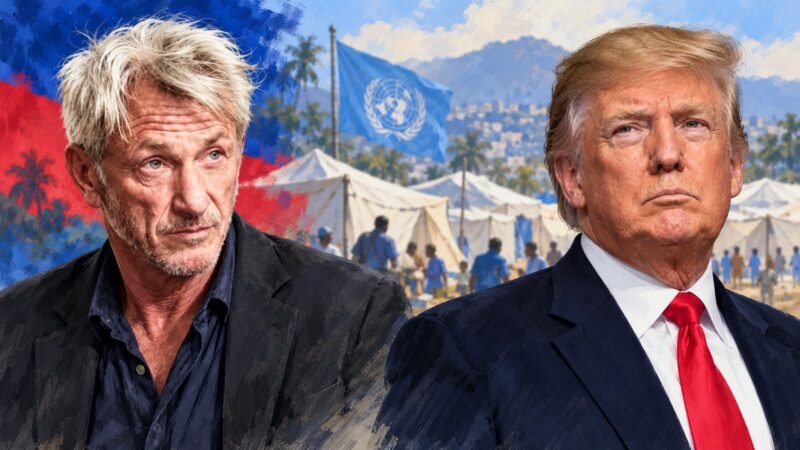
Other posts added lines about compassion, justice and the Gospel. The image shared with this story uses a shorter sentence and displays Leo alongside Donald Trump. Neither the extra lines nor the presence of another public figure supplies evidence that the pope spoke or wrote the statement. A graphic can be reposted many times without gaining an authentic source.
No date, venue, recording, Vatican transcript or official papal message has been identified for the alleged remark. For a direct quotation, that missing trail matters. A quote should lead back to a speech, interview, document or verified account before it is placed in quotation marks under a person’s name.
What Leo actually wrote about suffering
The false attribution should be kept separate from Leo’s documented views. His apostolic exhortation Dilexi Te, published by the Vatican in October 2025, calls on Christians to care for people living in poverty and to recognize the dignity of those who suffer. The document discusses indifference to people in need and urges practical attention to them.
One passage warns about a society that pursues prosperity while turning away from suffering. There is an important detail in that passage: Leo is quoting the earlier encyclical Fratelli Tutti by Pope Francis. Leo includes those words in his own exhortation, but the quoted wording originated in Francis’s 2020 document. Neither document contains the viral statement about being called “woke.”
Dilexi Te also says that Christians should not neglect the poor and describes care for them as central to the Church’s mission. Those are positions readers can examine in the published Vatican text. They may help explain why the invented social media wording sounded plausible to some people, but similar themes are not proof of a quotation.
Why accurate attribution matters
A person can agree with a message about compassion while rejecting a false name attached to it. The question “Do you agree?” asks for an opinion; the claim “Pope Leo said this” asks for evidence. Keeping those questions separate lets readers discuss the idea without spreading an unsupported statement.
The word “woke” has different meanings for different audiences and is often used in political arguments. The Vatican text focuses on poverty, dignity and care for people who are suffering. Calling the circulating sentence a papal quote would add language and framing that have not been verified in Leo’s own words.
This is also an example of how AI-assisted text can travel after its origin is lost. According to Full Fact’s account of the early Threads posts, the creator acknowledged using AI to make up the saying. That is evidence about the text’s origin; it does not mean the image itself was created by AI, and it does not identify every person who later shared it.
The finding
There is no reliable evidence that Pope Leo XIV said the “woke” line. A fact-check traced an early version to a user who said it was made up, while the Vatican’s published Dilexi Te provides a real, separately attributable discussion of concern for the poor. The accurate way to share the thought is as an unattributed opinion, without quotation marks or a claim that it came from the pope.
Readers who want to discuss the underlying message can still ask whether society pays enough attention to other people’s suffering. That conversation does not depend on assigning invented words to a religious leader. Before sharing a striking quote from any public figure, checking the original speech or document can preserve both the speaker’s record and the substance of the discussion.