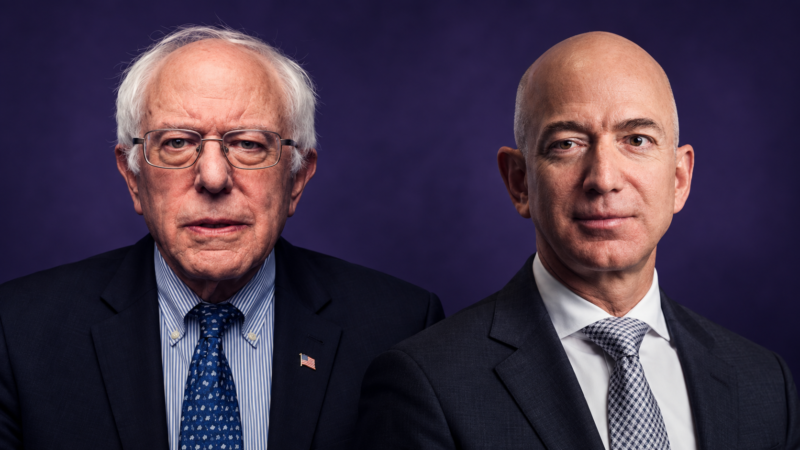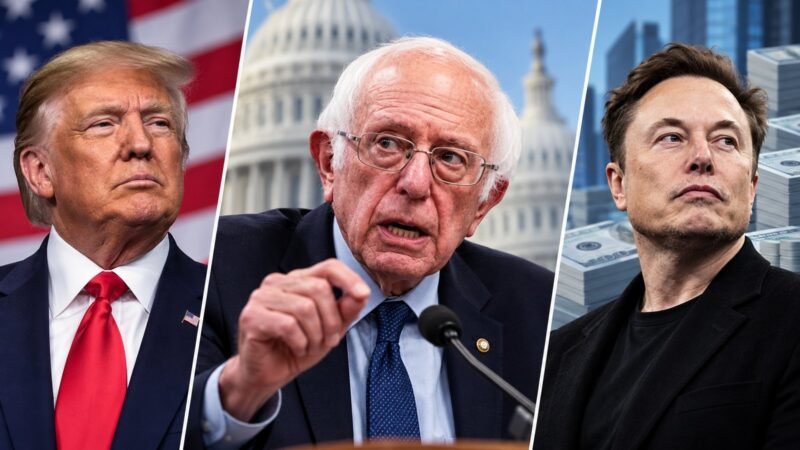
The Bernie Sanders wealth tax proposal would impose a 5% annual tax on the net wealth of Americans worth at least $1 billion. Sanders introduced the Senate bill on March 2, 2026, and Rep. Ro Khanna introduced a House version the following day. The legislation remains a proposal; no one is receiving a payment or paying this new tax under it.
Sanders and Khanna say the Make Billionaires Pay Their Fair Share Act would raise about $4.4 trillion over a decade. That figure comes from an analysis by economists Emmanuel Saez and Gabriel Zucman. It is an estimate based on assumptions about billionaire wealth, future growth and tax avoidance, not money Congress has collected or an official guarantee of future revenue.
How the Bernie Sanders wealth tax would work
The bill proposes an annual tax on the net value of assets held by taxpayers whose wealth reaches the $1 billion threshold. Net wealth means assets minus debts. Sanders’ office says people below that threshold would not owe additional tax under this particular provision.
The lawmakers used an estimate of 938 American billionaires with a combined $8.2 trillion in wealth when they announced the measure. Those figures describe the group used for the proposal and its revenue analysis; the number of billionaires and the value of their holdings can change.
A wealth tax differs from a tax on annual income. It would assess the value of a person’s holdings each year, including assets that may not have been sold. Putting a reliable value on privately held businesses and other assets would therefore be an important part of administering the proposal.
What the bill proposes to fund
The legislation includes a first-year payment of $3,000 per person in qualifying households with income of $150,000 or less. Sanders’ office gives $12,000 for a qualifying family of four as an example. These are proposed payments, not approved checks. They would require Congress to pass the legislation and the measure to become law.
The proposal also includes expanded Medicare coverage for dental, vision and hearing care; affordable housing programs; child care assistance; a minimum annual salary of $60,000 for public school teachers; and expanded home health care. It would reverse specified health care provisions of a law enacted in 2025.
Those programs have different rules and costs. The $4.4 trillion figure is a projection of tax revenue over a decade, rather than a confirmed amount available to spend today. Whether the proposed tax would raise that amount would depend on the final law, its enforcement and how taxpayers respond.
Where the $4.4 trillion estimate comes from
Saez and Zucman began with billionaire wealth data totaling about $8.19 trillion as of January 1, 2026. Their analysis applies a 5% tax and allows for 10% tax avoidance or evasion. It also assumes billionaire wealth will grow approximately in line with the economy during the projection period.
Those assumptions matter. A different path for asset values, a different level of avoidance or changes to the bill could produce a different revenue result. The estimate should be read as the economists’ projection for the proposal, not as a settled budget score.
Supporters say taxing very large fortunes would help fund services and reduce the concentration of wealth. Sanders has argued that billionaires should contribute more while many families struggle with the costs of housing and health care. Khanna has said the proposal aims to address the gap between growing wealth and families’ everyday expenses.
Critics of wealth taxes raise questions about valuing assets each year, administering the tax and the possibility that wealthy taxpayers could change their finances to reduce what they owe. The size of those effects under this specific bill remains uncertain. The economists’ estimate assumes enforcement strong enough to limit avoidance.
Where the legislation stands
The Senate measure is S. 3956. The official record lists its March 2 introduction and referral to the Senate Finance Committee. Khanna’s House measure, H.R. 7767, was introduced March 3 and referred to several House committees.
Introduction and committee referral are early steps in the legislative process. Neither measure is a law, and the proposed tax and household payments have not taken effect. Congress would have to advance and pass legislation, and a president would have to sign it, before its provisions could be implemented.
The proposal has circulated with claims that it would “fix Trump’s mess” or “restore the U.S. economy.” Those are political judgments, not established outcomes of the bill. The verifiable development is that Sanders and Khanna introduced legislation, and two economists estimated what its tax provision might raise under their stated assumptions.
The next concrete developments to watch are committee action, any revisions to the bill and whether its sponsors gain enough support for a vote. Until then, the proposal remains part of a broader debate over how the United States taxes extreme wealth and pays for public programs.