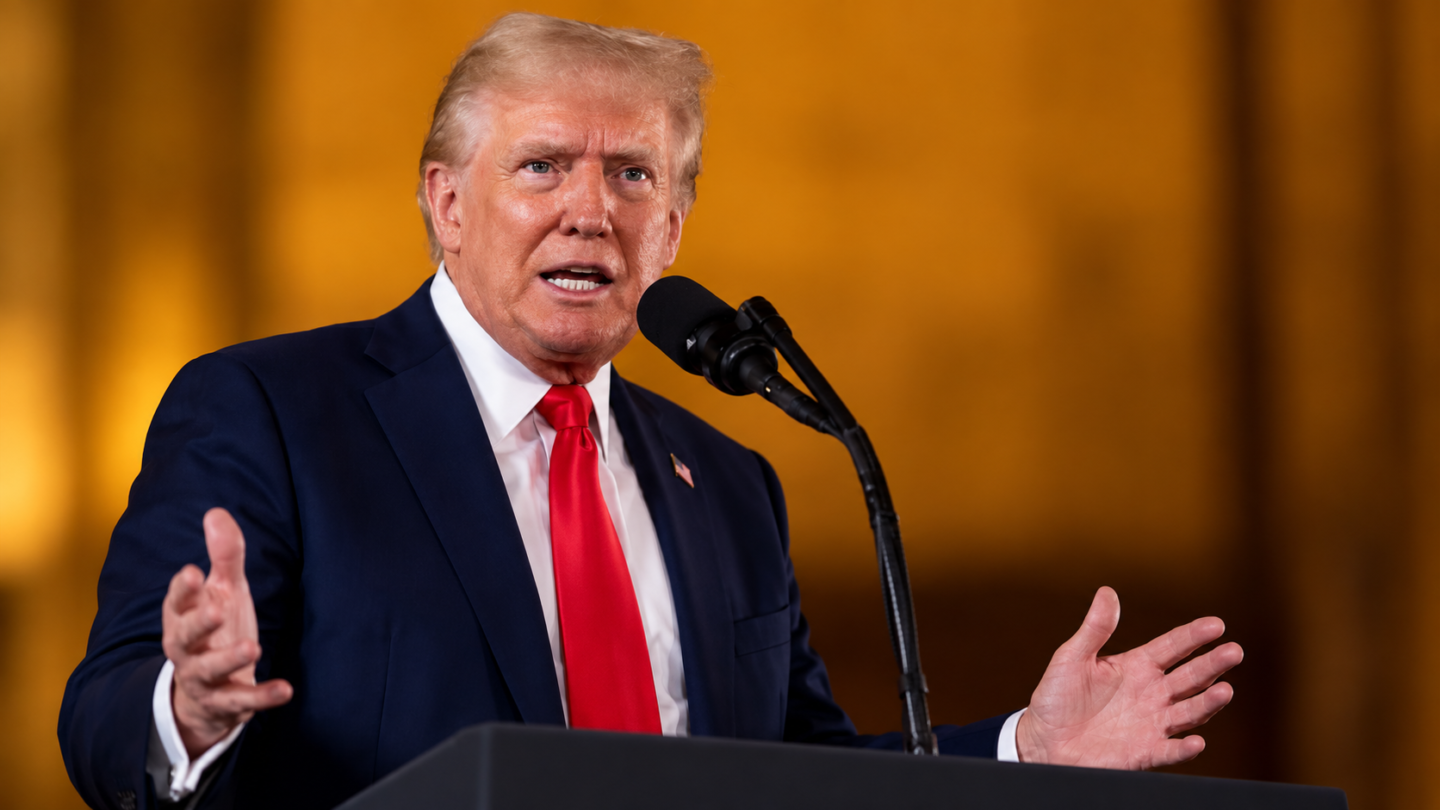
The Donald Trump felony conviction in New York remains in place as his lawyers continue pursuing legal challenges, keeping an unprecedented issue at the center of American political debate.
In May 2024, a Manhattan jury found Trump guilty on 34 felony counts of falsifying business records. The case concerned records connected to reimbursements for a payment made to adult-film actor Stormy Daniels before the 2016 presidential election.
Trump has denied wrongdoing and has repeatedly described the prosecution as politically motivated.
What sentence did Trump receive?
In January 2025, Judge Juan Merchan sentenced Trump to an unconditional discharge. The sentence imposed no jail time, probation or fine, but it allowed the judgment of conviction to remain on his record.
An unconditional discharge is still a sentence. It means the court did not impose further punishment or supervision, while the guilty verdict and judgment were not erased. Trump therefore continued contesting the case through legal appeals rather than serving a custodial sentence.
Can a convicted felon serve as president?
The sentence did not prevent Trump from returning to the White House. The qualifications for the presidency listed in the U.S. Constitution do not include a general prohibition against someone with a felony conviction serving as president.
That constitutional question is separate from how voters evaluate a candidate. A criminal conviction may influence political opinion, but it does not automatically remove a president or create a new presidential qualification. Removal from office follows its own constitutional process.
A federal judge rejected another challenge
On August 28, 2026, U.S. District Judge Alvin Hellerstein rejected Trump’s renewed effort to move the state case into federal court and seek dismissal based on presidential immunity.
Hellerstein concluded that the conduct involved in the case was personal rather than part of Trump’s official presidential duties. Trump’s legal team indicated that it planned to appeal the decision, while a separate challenge to the conviction was continuing in New York’s state court system.
The ruling represented a legal setback for Trump, but it did not end every available avenue of appeal. Appellate courts can review claims about legal errors, evidence and constitutional issues, but an appeal is not a new jury trial. Unless a court overturns or otherwise changes the judgment, the conviction remains in effect.
What happens next?
Trump’s lawyers can continue asking higher courts to review adverse rulings. The timing of appellate decisions can vary, and a pending appeal does not by itself cancel the underlying conviction.
Possible outcomes include the conviction being affirmed, reversed or sent back for additional proceedings. Until an appellate court issues a decision, predictions about the final result remain speculative. Hourly Times will update this story if a court changes the status of the case.
What does the conviction mean politically?
Whether the conviction should affect public opinion is a political question rather than a settled factual conclusion.
Trump’s supporters argue that voters knew about the verdict before returning him to office and that election results should determine who leads the country. His critics argue that a felony conviction is relevant when evaluating the character, judgment and accountability expected from a president.
Claims that Trump is the “worst president in American history” remain expressions of political opinion. Historical rankings differ according to the criteria used, and the criminal verdict alone cannot establish such a ranking.
The verified fact is that Trump was convicted on 34 felony counts, received an unconditional discharge and continues challenging the conviction through the courts.
Reader poll
This is an informal Hourly Times reader poll. Its results are not a scientific measurement of U.S. public opinion.