Iran says it has offered the United States a seven-day plan to restore normal shipping through the Strait of Hormuz and restart talks on ending the war. Foreign Minister Abbas Araghchi described the proposal publicly on September 25 at the United Nations in New York. The offer is conditional: the United States would first need to accept Iran’s terms. As of the latest reports on September 26, no agreement to carry out the plan had been announced.
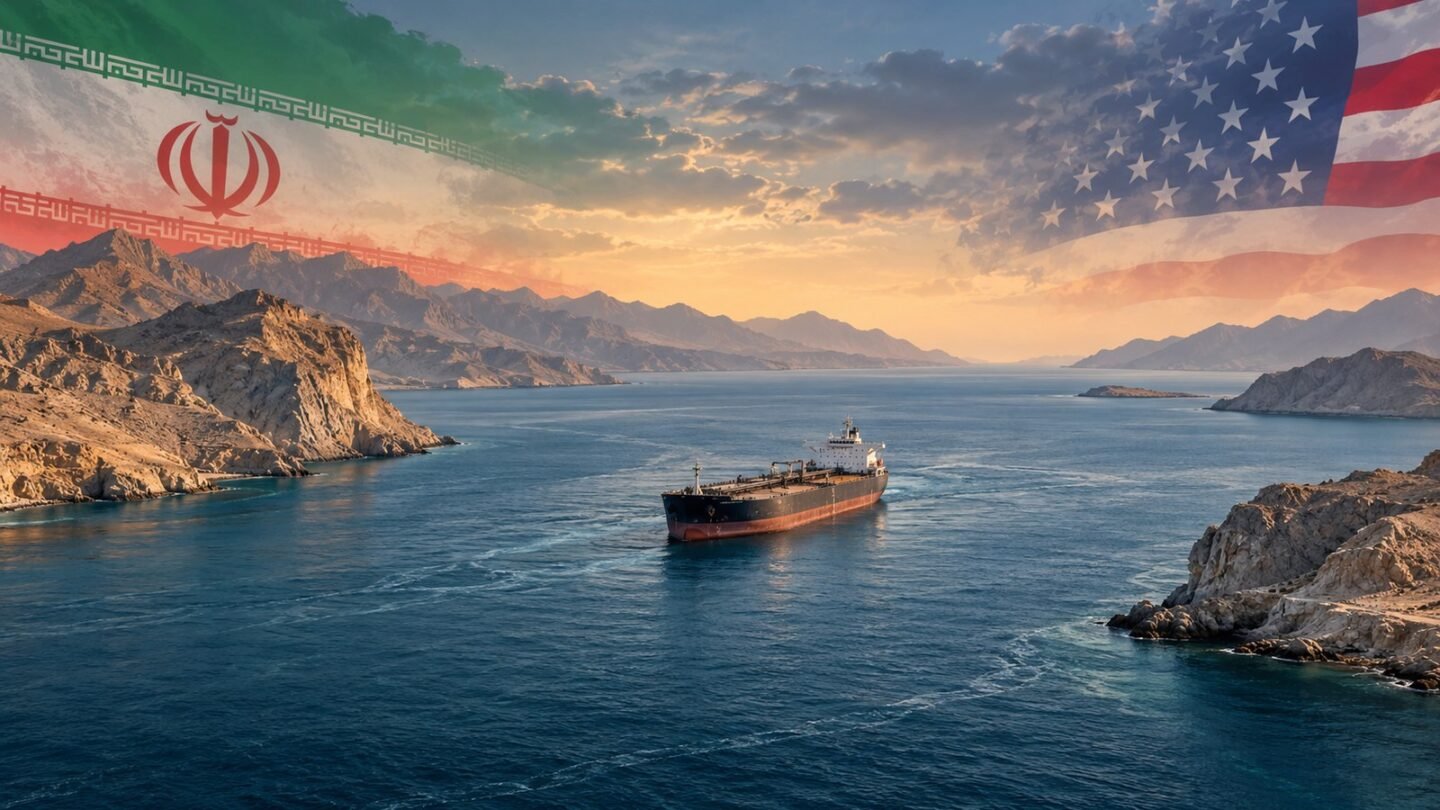
The Strait of Hormuz connects the Persian Gulf to the Gulf of Oman and is a major route for global energy shipments. Before the conflict, about one-fifth of global oil and petroleum-product consumption passed through it. Shipping through the strait has since fallen sharply, adding to concern about energy supplies and prices.
What Iran Says the Plan Would Do
Araghchi said the proposal had been conveyed to the United States through Qatar. He said the seven-day timetable would begin after Washington accepted the plan. Under the timeline he described, the strait would reopen within the week and talks on a final agreement would begin.
Reports describing the proposal say it would also require steps by Washington before reopening, including lifting its naval blockade of Iranian ports, waiving sanctions on Iranian oil sales and agreeing to a ceasefire that includes Lebanon. Some accounts also report that Iran wants frozen assets released. Details vary across reports, and no full text of the proposal has been made public.
Iran says the plan is based on a memorandum of understanding agreed with the United States in June. That earlier arrangement included a pause in fighting and a period for negotiations, but it broke down within weeks amid disagreements over the strait and the terms of the deal.
The U.S. Has Not Accepted the Offer
The proposal remains an offer from Iran, not an agreement between the two governments. Araghchi said the choice now rests with Washington. U.S. officials have described contacts through mediators as constructive, but Secretary of State Marco Rubio has cautioned against calling the discussions a breakthrough.
The two sides have described key issues differently. Tehran’s proposal links reopening Hormuz to easing U.S. military and economic pressure. Washington has emphasized Iran’s nuclear program and the need for a lasting agreement. It is not clear whether the U.S. will accept Iran’s proposed sequence or conditions.
Why the Strait Matters
The Strait of Hormuz is one of the world’s most important energy chokepoints. U.S. Energy Information Administration data show that in 2024, flows through the strait accounted for more than a quarter of global seaborne oil trade and about one-fifth of global oil and petroleum-product consumption.
The conflict has disrupted shipping. Reuters reported that only two commodity vessels crossed the strait on September 21, based on preliminary shipping data. That figure was far below typical prewar traffic. Any change in access could affect energy markets, but the proposal alone does not guarantee that shipping will return to normal.
What Remains Unclear
The full plan has not been published, and key questions remain about how the conditions would be verified, how the ceasefire would work across the region and what each side would agree to discuss in later negotiations. The proposal also does not mean the conflict has ended or that the strait has reopened.
The next step depends on Washington’s response and whether the two governments can agree on the sequence and terms. For now, Iran has publicly presented its plan, while negotiations continue through intermediaries.