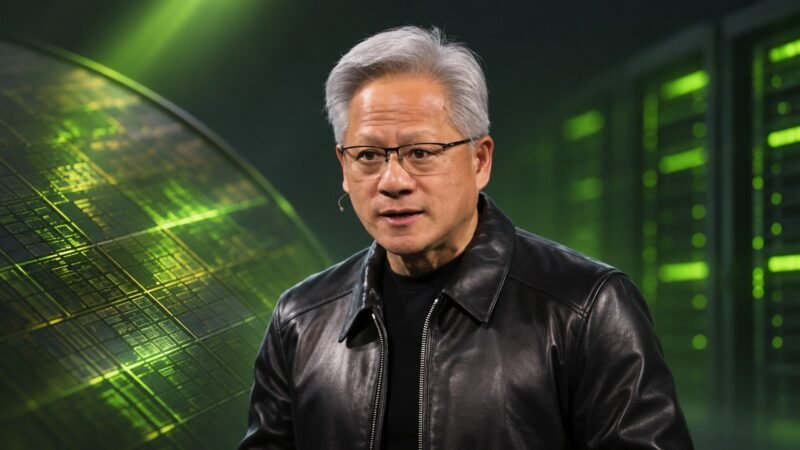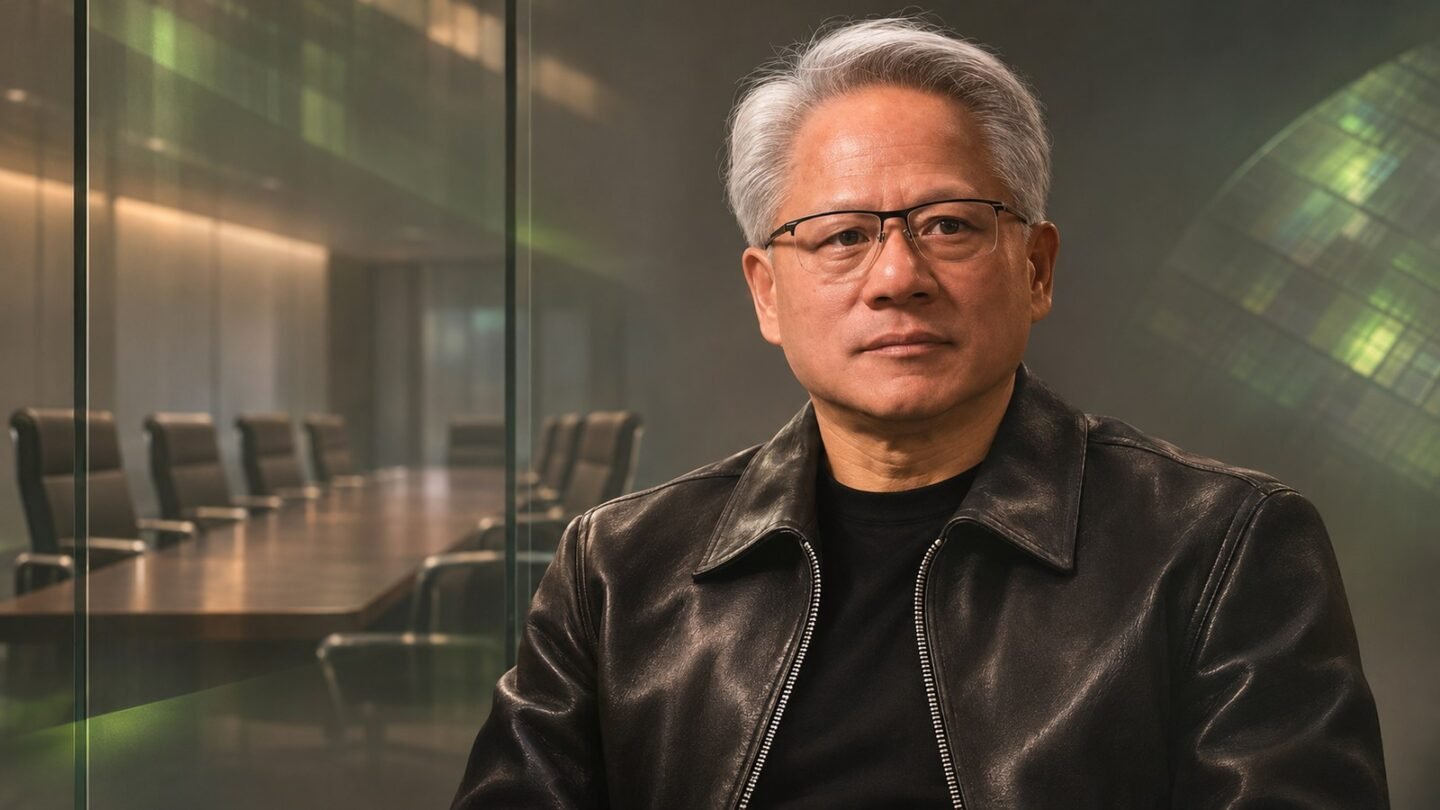
The Nvidia board restored Jensen Huang as president, chief executive and a director just 11 days after accepting his resignation, according to the company’s regulatory filings. The reversal puts the directors’ decision-making alongside Huang’s conduct at the center of the company’s leadership story.
This analysis examines what the published record establishes and what it leaves unanswered. The central issue is how directors explain restoring an executive while the independent investigation associated with his departure remains unfinished.
The Nvidia board timeline is clearer than the headlines
Nvidia’s first regulatory filing says directors accepted Huang’s resignation on November 11, effective immediately. The company announced the transition publicly on November 12.
Its reinstatement filing records the return on November 22. Nvidia published the announcement on November 23. Comparing the board-action dates produces an 11-day interval; comparing the public announcements produces the same interval.
The distinction is useful because descriptions of an ouster compress several events. The formal record describes an accepted resignation, an interim leadership arrangement and a subsequent reinstatement.
Colette Kress became interim CEO while retaining her finance responsibilities. The return filing says she continues as executive vice president and chief financial officer.
The reversal needs an explanation of what changed
On November 17, chair Harvey Jones said directors did not intend to reinstate Huang. Hourly Times previously covered that publicly stated position.
The November 23 release supplies a different conclusion. It says directors voted unanimously after discussions with Huang and were satisfied with his candor and ability to lead. The board also cited input from senior U.S. government officials in assessing national security risk.
These are the company’s stated reasons for changing course. They do not disclose the full discussions, evidence or conditions behind the decision. The analytical question is whether the public explanation adequately connects the earlier position with the new one.
The release connects government input specifically to national security. That leaves a separate question about the board’s own evaluation of leadership, candor and company standards. An explanation of one part of the decision does not automatically answer the others.
Reinstatement and investigative findings are different decisions
Nvidia expressly said its independent directors’ investigation would continue to completion and that Huang would cooperate. His return therefore preceded the end of that review.
That sequence does not, by itself, prove that directors acted improperly. It does mean reinstatement cannot be treated as the investigation’s final verdict.
The company has expressed confidence in Huang’s leadership and in the national security implications of his return. The unfinished inquiry still has its own work to complete. Treating those statements as interchangeable would erase an important distinction in Nvidia’s announcement.
New oversight structures create a test of follow-through
Nvidia announced a National Security and Export Control Oversight Committee on November 17. The standing committee’s remit covers national security policies, export compliance and global trade risks.
The company said it would draw on outside expertise and meet at least quarterly. Its November 23 announcement also described a search for a chief compliance officer, reporting to the Nominating and Corporate Governance Committee.
These measures establish an announced oversight framework. Their effectiveness will depend on implementation, the information directors receive and the actions taken when concerns arise. Creating a committee is a step that can be documented immediately; judging its performance requires subsequent evidence.
What the public record can and cannot settle
The Nvidia board has chosen continuity under Huang while retaining an independent review and expanding compliance oversight. That is the documented arrangement, rather than proof that all questions have been resolved.
For readers assessing the reversal, the most useful next disclosures would concern the investigation’s completion, the compliance appointment and any resulting changes to company practices.
The leadership sequence supports scrutiny of the board’s explanation. It does not alone establish a legal breach, prove the underlying allegations or show that directors caused a particular amount of market-value change. Those conclusions require evidence beyond the fact that Huang left and returned.