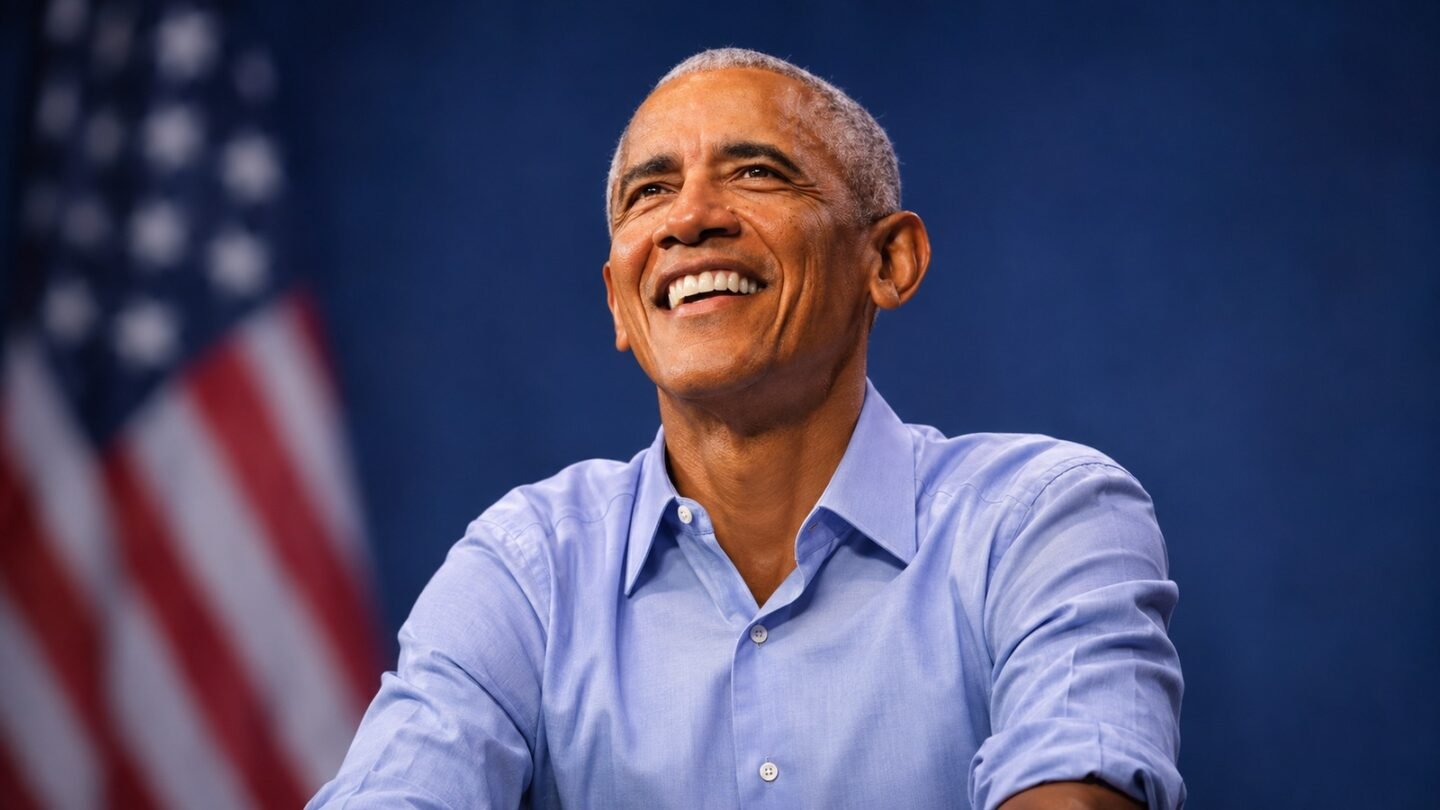
Former President Barack Obama urged Americans to vote in the November 3, 2026, midterm elections, arguing that participation could change the country’s political direction. The appeal was reported as a social-media message posted on November 2, during the final push for Democratic candidates.
ANI reporting published by The Economic Times described Obama connecting frustration with politicians to the opportunity to elect different leaders. The message encouraged electoral participation rather than treating dissatisfaction alone as a route to change.
The appeal followed campaign appearances for Democrats in competitive states. It was an endorsement of political action and Democratic candidates, not a declaration that any candidate had won.
Barack Obama Connects Frustration With Voting
In the passage reproduced by The Economic Times, Obama said he had heard from people unhappy with what they were seeing from politicians. He argued that Election Day offered voters a way to act on those concerns.
Voters have “the power to vote for the candidates who will bring about the change we need,” Obama said, according to the report.
Open Magazine also reproduced that opening appeal, with reporting credited in part to ANI. The two publications therefore should not be treated as wholly independent confirmations of the original post.
The original social-media publication could not be directly reviewed during verification. The quotation here is attributed to accessible reporting, and the complete passage in the supplied graphic is not presented as an independently inspected original statement.
A Closing Appeal Alongside Michelle Obama
The November 3 reports also described a separate message from former first lady Michelle Obama. She encouraged people to vote and to help friends, relatives and neighbors participate.
Her appeal focused on practical support within communities: helping others make plans, offering transportation and reminding friends to cast their ballots. Those instructions were part of her message and should not be merged into Barack Obama’s quotation.
Both messages presented participation as a way to influence political direction. Neither message, by itself, established turnout figures or demonstrated how much support particular candidates would receive.
The Message Followed Campaign Appearances
Reuters reported that Obama campaigned in Morrow, Georgia, on October 28, urging support for Democratic Senator Jon Ossoff. President Donald Trump was campaigning for Republicans in Ohio during the same closing stretch.
WSB-TV’s coverage of the Georgia event described Obama urging supporters to elect Democratic gubernatorial candidate Keisha Lance Bottoms and reelect Ossoff. That campaign activity provides context for his later national voting appeal.
Ossoff’s campaign had also published an October 8 advertisement featuring Obama’s endorsement. The ad tied support for Ossoff to voting rights, civil rights and economic priorities, reflecting the campaign’s own political case.
CBS Minnesota also reported Obama’s October 26 video endorsement of Democratic Senate nominee Peggy Flanagan, extending his turnout appeal beyond Georgia.
Hourly Times’ coverage of Obama’s Detroit campaign speech provides additional background on his support for Michigan Democrats and his argument for participating in the midterms.
Voting Appeals and Results Are Different Evidence
USAGov explains that congressional elections take place every two years. The midterms determine congressional representation, while state and local contests follow their respective election schedules.
A campaign message asking voters to change political direction does not itself change policy. Its practical effects depend on who wins office and the decisions those elected officials subsequently make.
For official voting information and results, USAGov directs people to their state or local election office. Campaign slogans and social-media reactions are separate from those administrative records.
The next substantive updates are the outcomes of the races Obama supported and any verified statements responding to them. Barack Obama’s turnout appeal documents his closing campaign message; assessing its impact will require evidence from the election and what follows.