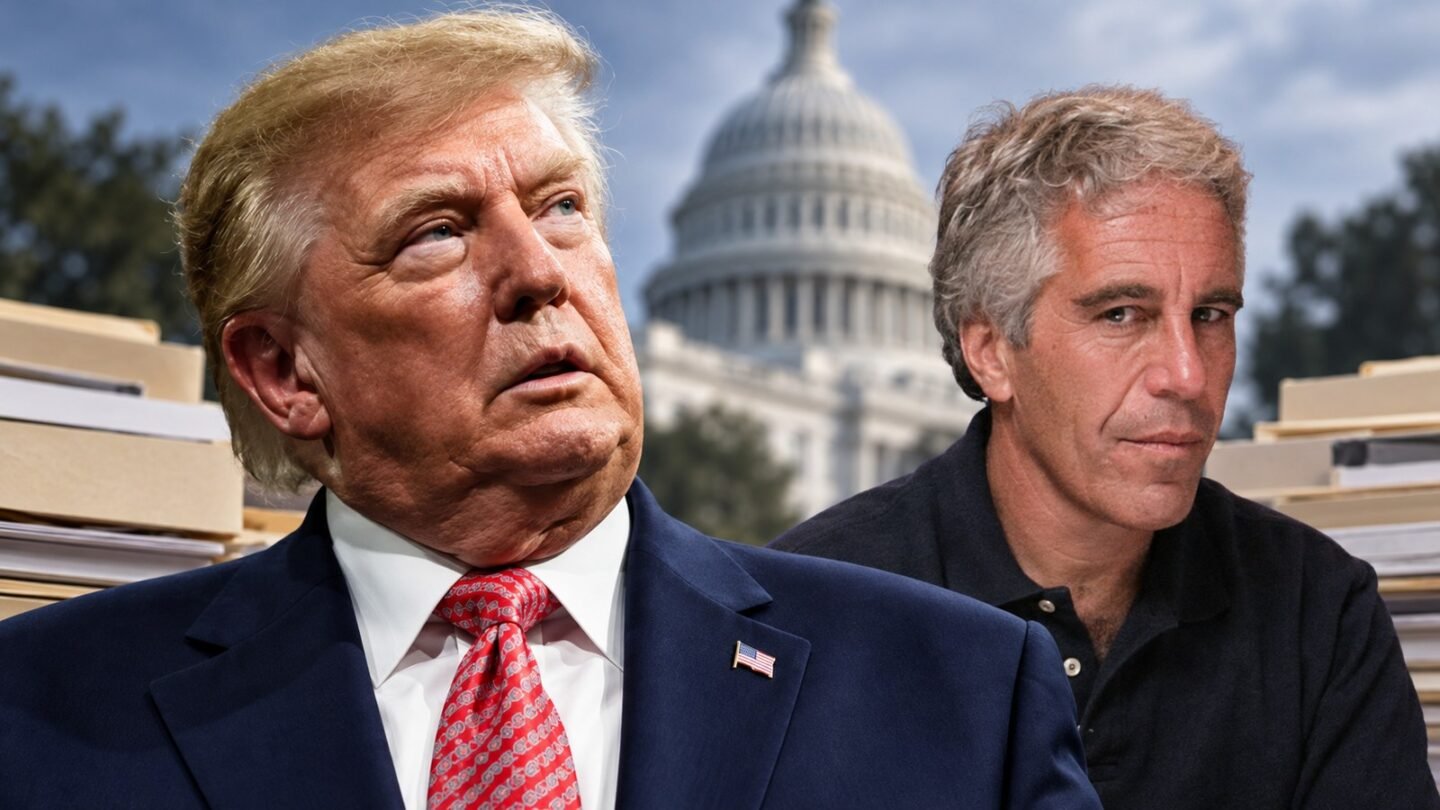
House Judiciary Committee Democrats called for an Epstein special counsel on October 26, arguing that evidence concerning President Donald Trump and Jeffrey Epstein warrants a criminal investigation. The White House denied the allegations, while the Justice Department rejected the report’s criticism of its handling of the files.
Rep. Jamie Raskin of Maryland, the committee’s ranking Democrat, released the 53-page staff report eight days before the November 3 midterm elections. The document is a Democratic staff assessment, rather than a bipartisan committee finding or a criminal charge.
What the Democrats’ report alleges
The committee’s announcement says the report examines material involving 11 women. According to Democrats, five directly accuse Trump of rape or sexual assault in Epstein’s company or presence, while three others describe encounters that appeared to involve Epstein or Ghislaine Maxwell offering women to Trump or suggesting his awareness of abuse.
Those numbers describe the report’s categorization of accounts. They do not mean that a court has established the allegations or that each account has been independently verified.
The Epstein special counsel request concerns whether evidence should be investigated. It does not establish that charges will follow. A reference to a person in a file does not by itself identify criminal conduct, and the report’s conclusions remain subject to independent scrutiny.
The Democratic staff report draws on committee interviews, witness accounts and released investigative records. Its conclusion says there is “more than sufficient evidence” to begin a criminal investigation.
The Democrats also identify former Trump envoy Paolo Zampolli as a possible co-conspirator. That is the report’s allegation, not a criminal finding. A response from Zampolli specifically addressing this report was not independently verified.
The committee itself acknowledges that it has not independently verified one woman’s allegation. That limitation should remain part of any assessment of the report’s broader conclusions.
Why Democrats want an Epstein special counsel
Democrats allege that the Justice Department and FBI withheld evidence and obstructed scrutiny of Epstein’s potential accomplices. They argue that Attorney General Todd Blanche’s previous work as Trump’s personal lawyer creates a conflict requiring an independent prosecutor.
The report also challenges Blanche’s handling of a July 2025 interview with Maxwell. Democrats allege that he prevented discussion of a particular survivor whose account implicated Trump. That accusation remains disputed; the report does not itself establish obstruction or witness tampering.
The governing special-counsel regulation places the appointment decision with the attorney general, or the acting attorney general when the attorney general is recused.
It requires a determination that a criminal investigation is warranted, that ordinary departmental handling would present a conflict or other extraordinary circumstances, and that an outside special counsel would serve the public interest. A congressional demand alone does not make that appointment.
White House and Justice Department reject the claims
White House spokeswoman Lauren Bis told NBC News: “None of these allegations are true.” She described the report as politically motivated and said Trump had removed Epstein from Mar-a-Lago.
Trump has repeatedly denied knowledge of or involvement in Epstein’s criminal activity. His denials should accompany reporting of the Democrats’ accusations.
A Justice Department spokesperson told NBC News that the department had complied with the disclosure law, offered lawmakers access to unredacted files and investigated the claims through earlier FBI work. The department also said it could not discuss whether ongoing investigations existed.
What could change after the midterms?
An Epstein special counsel has been requested, but this report does not announce an appointment or guarantee a criminal investigation immediately after the election.
If Democrats win House control, they could use majority oversight powers to seek records and testimony through subpoenas. The incoming congressional terms begin January 3, 2027, under the Twentieth Amendment, rather than immediately after Election Day.
The demand follows other calls for disclosure, including a New York event supporting Epstein survivors and access to records. Congressional oversight, a prosecutor’s investigation and a court’s findings remain separate processes.