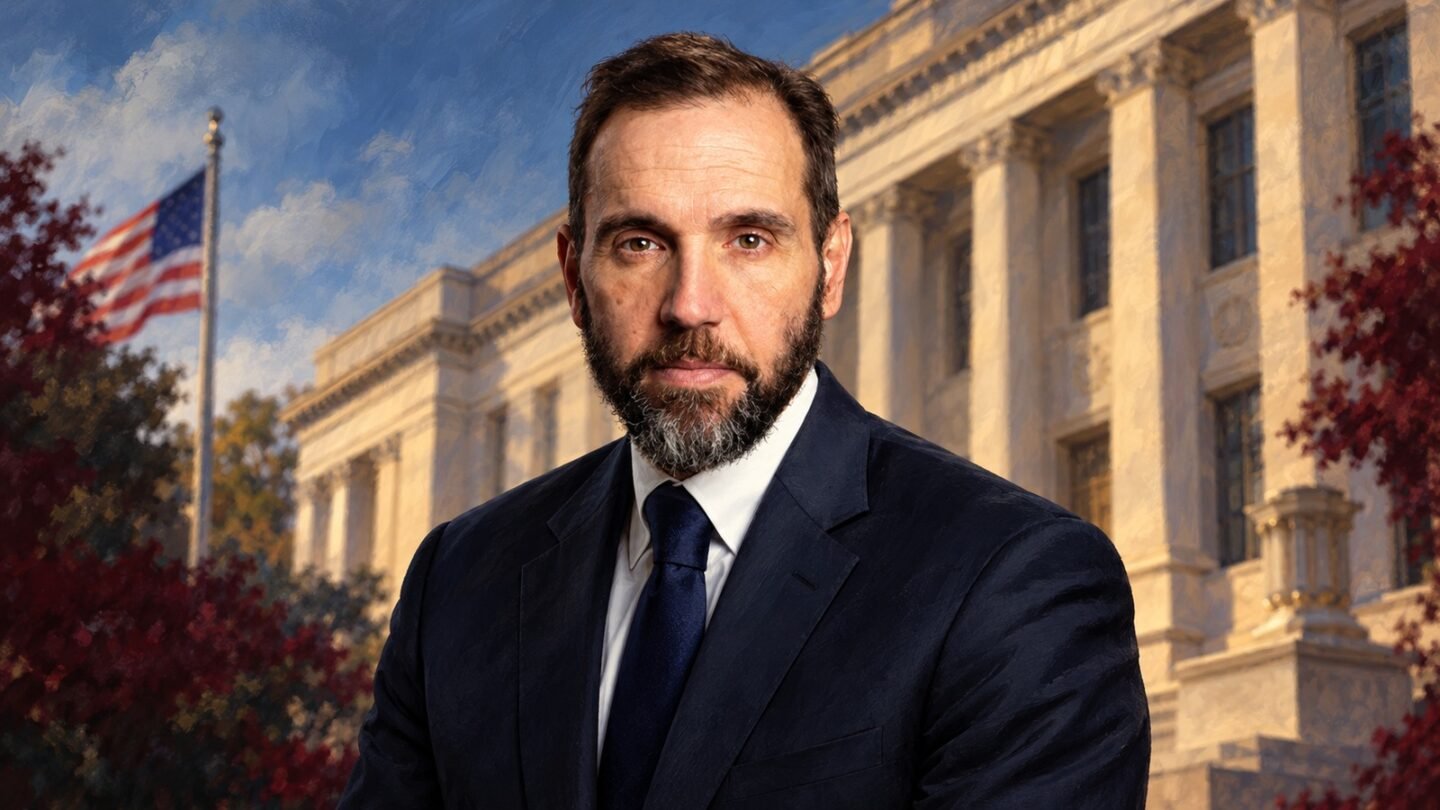
The proposal to make Jack Smith attorney general under a future Democratic president is hypothetical. No verified announcement of such a selection was located in the sources reviewed for this report, while his September 29, 2026, Senate testimony is documented.
The distinction matters: asking readers whether they support a possible nominee is an opinion question. Reporting that someone has been selected requires an announcement or other reliable evidence. The supplied proposal does not establish that a future president would choose Smith or that he would accept.
Jack Smith’s experience includes public corruption cases
Attorney General Merrick Garland appointed Smith as special counsel on November 18, 2022. His assignment covered investigations into interference with the transfer of presidential power after the 2020 election and the handling of classified documents and other presidential records.
According to Garland’s appointment announcement, Smith began his prosecutorial career in the Manhattan district attorney’s office in 1994. He later worked as a federal prosecutor in the Eastern District of New York and supervised war crimes investigations at the International Criminal Court.
In 2010, he became chief of the Justice Department’s Public Integrity Section, leading prosecutors who handled public corruption and election crimes. He subsequently served in senior federal prosecution roles in Tennessee and as chief prosecutor for the Kosovo specialist court in The Hague.
Those positions establish his professional background. Whether they would make him the best choice to lead the entire Justice Department is a separate assessment, rather than a conclusion established by his résumé.
What happened at the September Senate hearing?
The Senate Judiciary Committee’s official record lists Jack Smith as the witness at its September 29 hearing in Washington. The session concerned allegations about his investigative authority and the treatment of Republicans.
Smith defended his charging decisions and said political affiliation had not determined them. ABC News reported that he maintained he would make the same prosecution decision involving a former president from either party if presented with the same facts.
Republican senators challenged the investigations, including subpoenas involving lawmakers’ records. Democratic senators defended the work and questioned the accusations directed at his team. These exchanges document a partisan dispute; accusations made during questioning are not, by themselves, findings of misconduct.
A statement from the committee’s Democratic staff reported that Smith distinguished telephone metadata from conversation content. He said his office obtained toll records from third-party companies and consulted the Public Integrity Section about the subpoenas.
The Trump cases did not produce trial verdicts
The federal investigations led to criminal charges against Donald Trump, who denied wrongdoing. Neither case produced a jury verdict against him. The election case ended after his 2024 election victory, as prosecutors applied Justice Department policy concerning the prosecution of a sitting president.
On November 25, 2024, Judge Tanya Chutkan granted the request to dismiss the election indictment without prejudice. That outcome was not an acquittal, and it did not establish that a future prosecution was certain.
Hourly Times’ explanation of why the federal election case ended without a trial provides additional background. A prosecutor’s assessment of evidence remains distinct from a conviction reached through the criminal process.
How an attorney general is appointed
Under 28 U.S.C. § 503, the president appoints the attorney general with the Senate’s advice and consent. The statute also identifies the attorney general as the head of the Justice Department.
The job extends beyond any single investigation. The department’s description of the office includes supervising federal law enforcement agencies, directing departmental operations, representing the United States in legal matters and advising the president and other executive officials on legal questions.
For Jack Smith, a future nomination would therefore involve consideration of both prosecutorial experience and the responsibilities of department-wide leadership. Support or opposition expressed in a reader poll would not substitute for that appointment process.
The next concrete development would be a verifiable selection announcement or formal nomination. Until then, the attorney general proposal remains a hypothetical choice for readers to discuss.