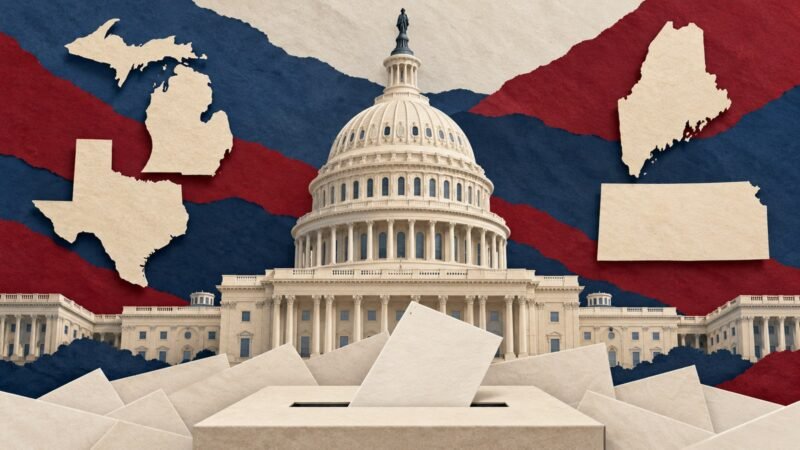
Private election preparations reached officials in 10 states fearing federal intervention, The Washington Post reported October 20, citing two participants.
The reported effort involves current and former national security officials advising state leaders and lawmakers. It concerns preparation for possible interference, rather than evidence that a specific operation has been ordered.
The distinction matters for readers assessing a sensitive claim: a contingency discussion can document concern without proving that the event being discussed will happen.
What is reported about the election preparations
Published accounts describe an informal group with Defense Department experience and contacts across party lines. Its work has reportedly taken place outside members’ official government roles.
The warnings reportedly draw on public statements and personal analysis, rather than privileged intelligence. That limits what the consultations can establish about the administration’s intentions.
The identities of the participating officials and states were not publicly established in the materials reviewed for this article. Hourly Times cannot independently confirm the private meetings or provide a verified list of the ten states.
The account should therefore remain attributed reporting. It should not be presented as an official intelligence assessment or a public finding that the federal government plans to disrupt voting.
The administration’s response and military assurances
White House spokesperson Lauren Bis rejected the concerns, saying the administration was protecting elections, enforcing election laws and safeguarding voters.
Separately, public correspondence provides a documented account of the Defense Department’s stated position. On October 1, Sen. Elissa Slotkin’s office published a response from Assistant Secretary of Defense Mark Ditlevson.
The response said the department had no plan to deploy active-duty troops or federalized National Guard personnel to polling sites, or to interfere with ballots, voting machines or other election materials.
Slotkin’s office also published an earlier response from Gen. Dan Caine, chairman of the Joint Chiefs of Staff. It said the military had no plans to send federal personnel to polling places or seize election materials.
The published correspondence and Defense Department assurance are relevant counterpoints to the reported fears. They describe the military’s stated plans, without resolving every question involving other federal agencies.
State administration and federal enforcement have different roles
The Federal Election Commission explains that elections are primarily governed by state law and administered at the state and local level. State election offices are responsible for certifying results.
The FEC administers campaign-finance laws. It does not exercise jurisdiction over voting rules, voter fraud, intimidation or election results, according to its voter-information guidance.
Other federal agencies have different responsibilities. The Justice Department’s Voting Section enforces civil provisions of laws protecting the right to vote, including the Voting Rights Act, National Voter Registration Act and Help America Vote Act.
Federal involvement therefore needs to be assessed by its purpose, authority and conduct. The presence of a federal employee alone does not establish unlawful election interference.
Reuters separately reported October 21 that DOJ planned roughly 1,000 election monitors. The department said monitors would protect voting access and be trained not to interfere with election processes, while some state officials expressed concern.
How contingency planning supports election operations
The Election Assistance Commission publishes contingency-planning resources for election officials. Its guidance emphasizes identifying essential functions, available resources and the actions needed to maintain operations during disruptions.
The agency also recommends considering simulations or tabletop exercises to test procedures. These exercises can reveal gaps before an emergency, without implying that a particular threat is certain.
The EAC’s quick-start guide says an action plan should identify the staff, budget, time, training and resources needed to carry it out. That makes preparedness a practical operational task, rather than simply a statement of concern.
Those general resources provide context for election preparations. They do not independently authenticate the private advisory effort or identify which states participated.
Hourly Times’ earlier coverage of the contest for House control explains the congressional stakes. The election preparations continue ahead of the next regularly scheduled federal general election on November 3, 2026.