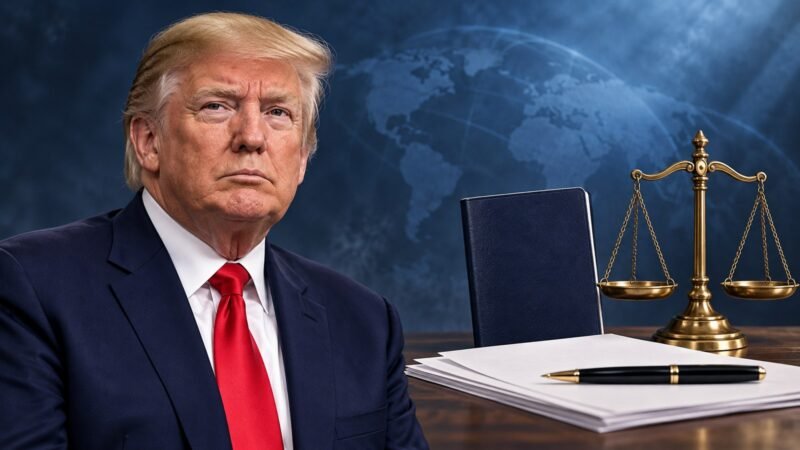
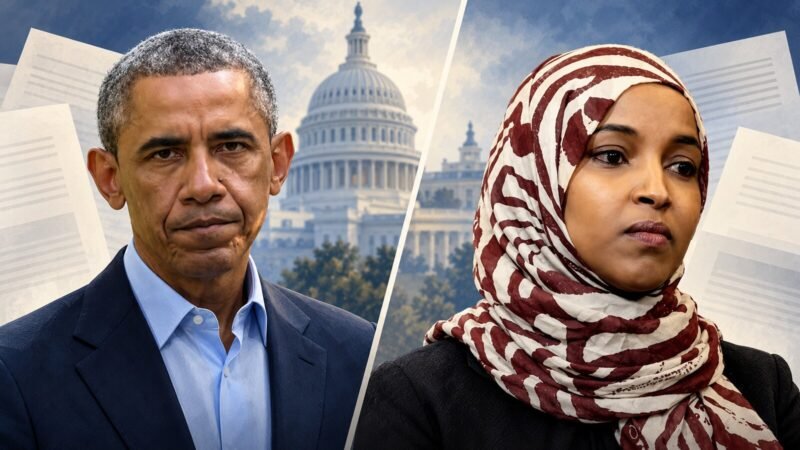
Calls for equal citizenship investigations have followed the federal search of Rep. Ilhan Omar’s Washington home, with a social media comparison naming Elon Musk and Melania Trump. The underlying principle is consistent treatment under law, but one person’s investigation does not automatically establish grounds to investigate another.
Omar’s case concerns reported allegations involving immigration records. Musk’s earlier work authorization has separately been disputed in reporting he denied. Melania’s official biography establishes her naturalization history. These are different records, and they should not be treated as interchangeable evidence of citizenship fraud.
What the Omar investigation establishes
Homeland Security Investigations searched the Minnesota Democrat’s Washington residence on October 12, 2026. The Justice Department said agents executed a judicially authorized warrant as part of an ongoing criminal investigation.
ABC News reported, citing sources, that the inquiry concerned immigration paperwork. Omar has denied wrongdoing and called the search an attempt to use federal law enforcement against political enemies.
On October 14, The Associated Press reported that investigators had seized her phone and issued more than a dozen grand jury subpoenas, including to relatives. AP attributed those details to a person briefed on the investigation.
These developments establish investigative activity. They do not establish a conviction, a judicial finding that citizenship was obtained fraudulently or a judgment taking citizenship away.
Citizenship investigations require individual evidence
The comparison identifies three Americans who were born abroad. Omar became a citizen in 2000, according to AP’s background reporting. PolitiFact’s review confirms that Musk became a U.S. citizen in 2002.
The White House biography of Melania Trump says she moved to New York in 1996 and became an American citizen ten years later, in 2006. It identifies her birthplace as Slovenia.
These timelines establish citizenship history, not wrongdoing. Nor do different citizenship dates establish whether any person made a legally significant false statement.
Musk’s background nevertheless deserves accurate context. Reuters reported in October 2024 that The Washington Post alleged he worked without authorization while building a startup in the 1990s. Musk denied that account and said his visa status permitted him to work.
That disputed allegation is different from an established finding of fraud in a citizenship application. The reviewed sources do not establish that Musk or Melania obtained citizenship fraudulently, or that either faces the same investigation as Omar.
Investigating and revoking citizenship are different steps
Federal law provides procedures for revoking naturalization on specified grounds. Section 1451 of the immigration statute includes illegal procurement, concealment of a material fact and willful misrepresentation.
The civil procedure involves a court case and notice allowing the affected person to answer the government’s petition. The law also addresses citizenship acquired through a parent or spouse, which can create additional questions requiring the actual records.
A home search is not that judgment. A subpoena requests evidence; it does not by itself establish that the recipient committed an offense. Criminal allegations and citizenship-revocation proceedings also should not be collapsed into one legal event.
For citizenship investigations, comparing like circumstances requires more than shared immigrant status. Relevant questions include what conduct is alleged, what documents support the allegation and which law governs the person’s route to citizenship.
Equal standards also constrain political timing
The Justice Department’s published policy prohibits selecting investigative timing to influence an election or advantage or disadvantage a candidate or party. It requires consultation when an action raises an issue, or the perception of one, under that policy.
That rule supplies a concrete standard for examining concerns about Omar’s search shortly before the November midterms. The timing raises a question; it does not alone prove that officials acted with an improper purpose.
The same distinction applies to demands for investigations of politically connected figures. Applying consistent standards means assessing credible allegations without either shielding allies or presuming opponents guilty.
The conclusion about citizenship investigations is therefore qualified: the same evidentiary standards and safeguards should apply to everyone. The supplied comparison does not establish that the same investigative action is warranted against all three people.