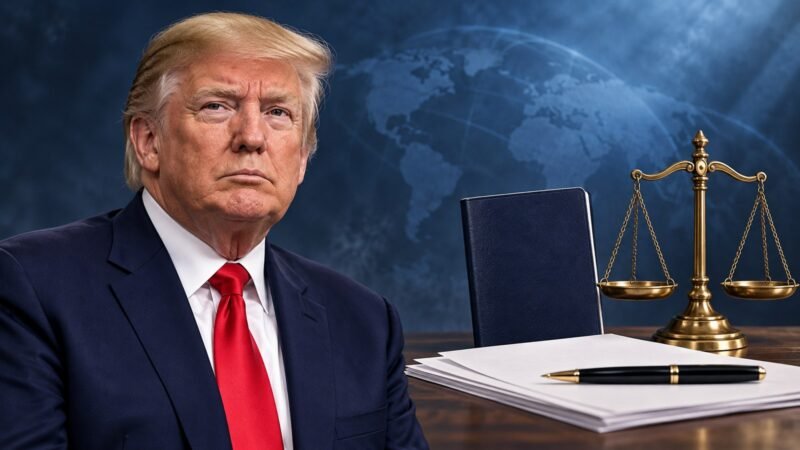
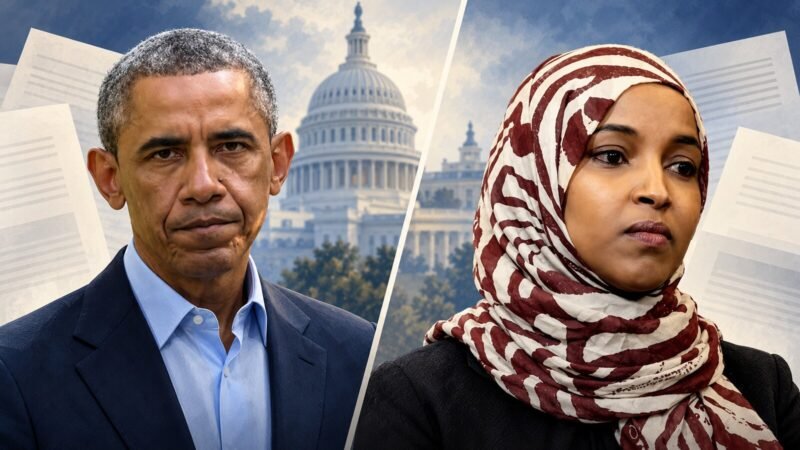
The debate over Congress and impeachment raises a real question about presidential accountability, but failing to impeach Donald Trump does not automatically establish a constitutional violation. The House has discretion to begin proceedings, while lawmakers also have other tools to investigate alleged misconduct and check executive power.
As the November 2026 midterms approach, Democrats are discussing broader investigations if they regain the House. Some favor impeachment; others want evidence gathering first. That disagreement concerns how Congress should exercise its powers, rather than a settled legal finding that every lawmaker opposing impeachment has broken an oath.
Congress and impeachment: The constitutional rules
The Constitution’s text assigns the House the sole power of impeachment and the Senate the sole power to try impeachments. Article II identifies treason, bribery and other high crimes and misdemeanors as grounds for removal following impeachment and conviction.
The Senate’s official explanation says the House approves articles by a simple majority. Conviction requires two-thirds of senators present, and removal follows conviction. If all 100 senators are present, at least 67 must vote to convict; two-thirds of 100 is 66.67, requiring the next whole vote.
Impeachment therefore means bringing formal charges. It does not itself remove a president or establish a criminal conviction. The two chambers perform different roles, and a proposed resolution is not equivalent to House approval.
Congress’s Constitution Annotated, reproduced by Cornell’s Legal Information Institute, explains that the House has discretion to initiate proceedings. It also describes impeachable misconduct as potentially including abuses of office that do not necessarily result in criminal punishment.
What the oath requires—and what it does not settle
Article VI requires senators and representatives to be bound by an oath or affirmation supporting the Constitution. The oath is a commitment to the constitutional system, including the separation of powers and the institutions through which accountability operates.
That commitment does not supply an automatic answer to every impeachment demand. The explanation of House discretion means that accusations, petitions and proposed articles do not themselves compel lawmakers to begin proceedings.
This is a distinction between legal authority and political responsibility. Voters may judge that representatives are protecting a president instead of examining credible evidence. But that criticism should identify the conduct, evidence and congressional response being challenged, rather than treating disagreement as proof of an oath violation.
Congress and impeachment proposals in Trump’s second term
Official records show that Rep. Al Green introduced H.Res. 1486 on August 24, 2026, and that it was referred to the Judiciary Committee. His resolution alleges presidential abuses involving immigration enforcement and constitutional protections. Those allegations are Green’s case for impeachment, not findings established by the resolution’s introduction.
On September 15, 2026, the House voted 232–147, with 47 members voting present, to table Green’s resolution, CBS News reported. Hourly Times’ coverage of the resolution and tabling vote explains the procedural outcome and the disputed allegations.
The record complicates a blanket claim that Congress has simply ignored impeachment. A proposal can be introduced and rejected without resolving its factual allegations. Whether that response represents adequate accountability remains a separate judgment.
Oversight remains available without impeachment
The House’s official history explains that investigations are part of Congress’s legislative authority and checks on government power. Hearings, document requests and subpoenas can examine executive conduct without requiring the House to approve impeachment articles first.
Reuters reported in August that Democrats were preparing investigations rather than immediate impeachment if they won the House. The White House said it was prepared to respond to oversight requests regardless of which party controlled Congress.
Axios reported October 9 that Democrats remained divided over pursuing another Trump impeachment. Trump has rejected wrongdoing; in January, he told Republicans that Democrats would find a reason to impeach him if they won the midterms, according to Reuters.
Trump’s two previous House impeachments ended in Senate acquittals, the House’s historical record confirms. The debate over Congress and impeachment must therefore distinguish investigations, allegations, formal charges and conviction. None substitutes for the others, and an election result cannot decide whether particular misconduct occurred.