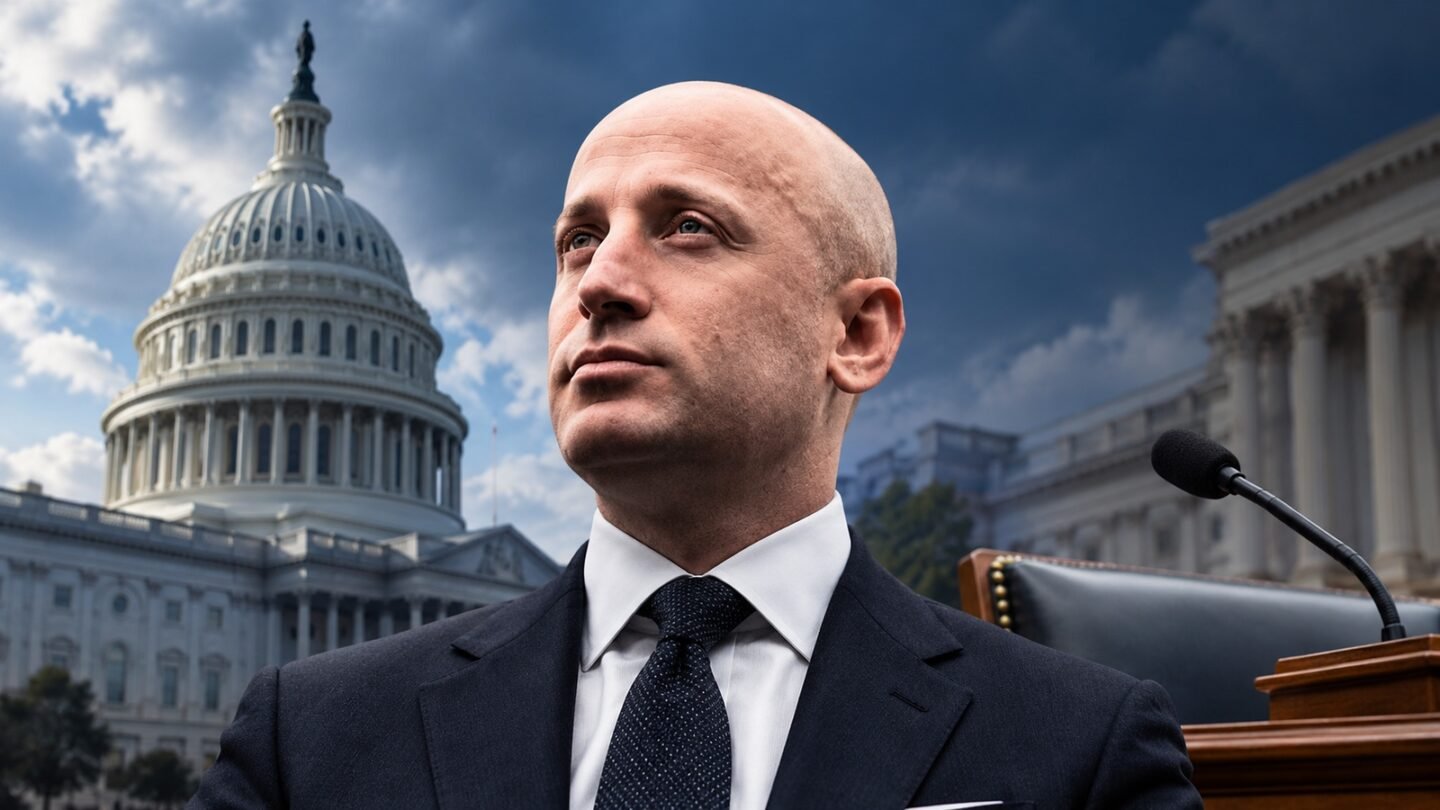
Stephen Miller is among the officials House Democrat Robert Garcia has identified as potential subpoena targets if Democrats regain the House majority in the November 3 midterm elections. The proposal concerns congressional questioning and oversight, not a finding of criminal guilt.
Miller is a White House deputy chief of staff. Garcia, the top Democrat on the House Oversight Committee, has outlined plans to investigate members of President Donald Trump’s administration if his party gains committee control. Reporting on those plans supports the conditional claim that Miller could face demands for testimony.
It does not establish that Miller has received a new subpoena under that proposed agenda, that he will appear at a particular hearing, or that Congress can order him imprisoned for the administration’s policies.
Stephen Miller appears in Garcia’s subpoena plans
Bloomberg Government reported on April 29, 2026, that Garcia had named Miller among the officials prominent in his thinking about subpoenas if Democrats retook the House. The report described preparations for a possible oversight agenda in 2027.
The Washington Sun reported on October 20 that an August fundraising email from Garcia also named Miller among people he could subpoena as committee chairman. The message linked that prospect to Democrats first winning the House.
These accounts document a stated investigative intention. They do not guarantee that every proposed subpoena would be issued or that disputes over testimony would be resolved immediately.
Democrats already sought immigration-policy testimony
An April 22 statement from House Homeland Security Democrats said committee Democrats had demanded subpoenas for Miller and border adviser Tom Homan after they did not appear at a hearing.
According to that statement, the chairman had invited both officials, and Republicans rejected the Democrats’ subpoena demand. The statement is the committee minority’s account and should be identified as such.
The earlier effort concerned immigration enforcement and came from the Homeland Security Committee. Garcia’s prospective agenda involves the Oversight Committee. Those are separate congressional panels, and the April effort should not be presented as a subpoena already issued under Garcia’s proposed future chairmanship.
What a House majority would change
A Democratic majority could put Democrats in charge of House committees and give them greater ability to organize hearings and pursue documents or testimony. The Congressional Research Service’s oversight manual describes information requests, hearings and subpoenas as tools available within congressional authority.
That authority has limits. Compulsory investigative demands must serve a valid legislative purpose, and congressional inquiries remain subject to constitutional protections and disputes about privileged information.
For Stephen Miller, the practical significance would depend on the committee’s specific request, its authority and any response from the White House. A campaign promise to investigate is an initial political commitment, not a completed legal process.
Any majority elected in November would take office with the new congressional terms beginning January 3, 2027. Winning an election would not transfer committee control on election night.
Would the midterms end Trump’s agenda?
The midterms determine congressional seats, not the presidency. A House change could make it harder for Trump to advance legislation requiring House approval, while increasing scrutiny of executive actions.
It would not automatically cancel existing laws or remove the president from office. The White House’s description of executive powers explains that presidents can issue executive orders and veto legislation. Congress can override a veto with a two-thirds vote in each chamber.
Consequently, promises to challenge an administration’s agenda should be distinguished from claims that an election would immediately end every part of it.
A subpoena is different from a prison sentence
The supplied social-media wording combines demands for political change with calls for Stephen Miller and Trump to be imprisoned. The reporting described here establishes an oversight proposal; it does not establish criminal liability from that proposal.
The federal judiciary explains that prosecutors bear the burden of proving criminal guilt beyond a reasonable doubt at trial. A defendant can also plead guilty, and a court determines any resulting sentence.
Congressional questioning can gather information about government decisions. Whether evidence supports a specific criminal charge is a separate matter, and imprisonment is not an automatic consequence of being named as a potential witness.