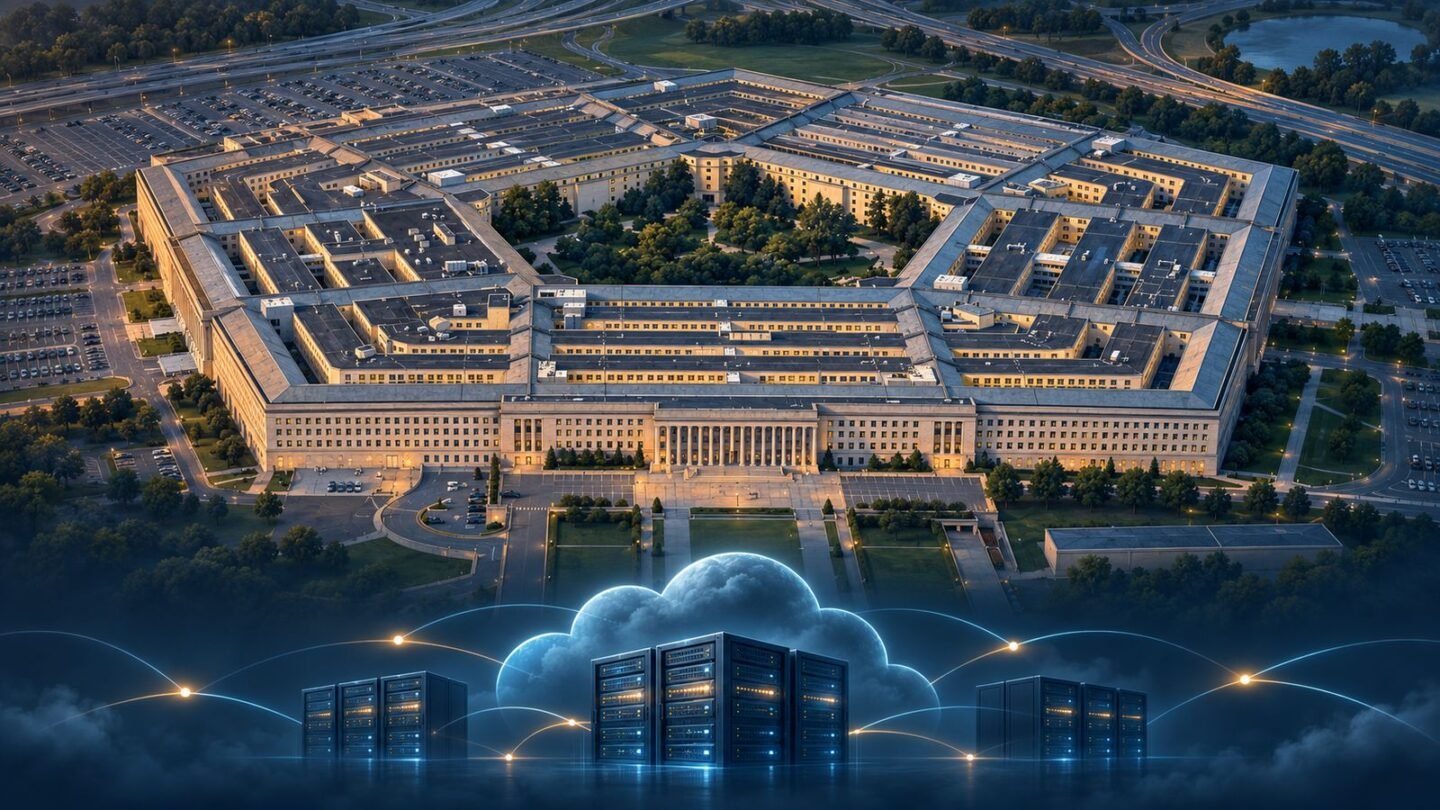
A Cloud One breach has been reported at the U.S. Air Force’s flagship cloud computing platform, but the service has not publicly confirmed the intrusion. Reuters reported on November 27 that three people familiar with the matter described unauthorized access to the system.
Two sources told Reuters the intrusion was discovered during upgrade work within roughly the previous month. The attackers’ identity, the full extent of access and whether information was stolen remained unknown.
Reuters also reported disruption to application migrations and updates. The report concerns a shared computing environment used for military applications. It does not establish that hackers took control of aircraft, weapons or every application hosted on the platform.
Air Force response to the Cloud One breach report
Stars and Stripes obtained a statement in which an Air Force spokesperson declined to discuss the security, vulnerabilities or operational condition of individual networks and systems. The service said it continued taking protective measures for its information and mission capabilities.
The spokesperson also said the department continued assessing and modernizing its enterprise cloud capabilities to address changing mission, security, resilience and user requirements.
That response is an official statement about the department’s approach, rather than a public confirmation of the reported intrusion. It does not identify an attacker or provide a damage assessment, and it should not be described as a denial.
What Cloud One is designed to do
In a September 2024 public description, the Air Force explained that Cloud One provides shared cloud services to Defense Department application owners. Its responsibilities extend beyond hosting to application migration, standardized computing environments and data management.
The program’s published architecture used four commercial providers: Microsoft Azure, Amazon Web Services, Oracle Cloud Infrastructure and Google Cloud Platform. Application requirements helped determine which provider would support a particular workload.
The Air Force described services including data transport, monitoring, platform operations and sustainment. It also described support for classified and unclassified workloads, with applications able to inherit parts of an approved cybersecurity framework.
Those descriptions establish the platform’s intended role and breadth. They are historical background, not evidence of which systems, accounts or security boundaries were affected by the Cloud One breach report.
A modernization contract announced this year
Leidos announced on March 11, 2026, that it would modernize Cloud One under a $454.9 million contract. Its announcement describing the modernization program identified work with the same four cloud providers.
The company said the improvements were intended to strengthen security, increase automation and simplify operations. It also described reducing complexity so more Air Force units could adopt cloud services and move applications onto the platform.
These were stated program objectives, not a certification that a later intrusion could not occur. The announcement predates the reported breach and does not identify its cause, establish responsibility or explain the current operational status of Cloud One.
Other federal incidents provide context
Stars and Stripes placed the report alongside recent incidents involving the FBI’s National Crime Information Center and other federal organizations, including the Treasury Department and Department of Homeland Security.
It also recalled a separate Pentagon personnel-data breach reported in September. That case concerned a Defense Manpower Data Center file-sharing system, rather than proof that personnel information was stolen from Cloud One in this incident.
The existence of other reported breaches does not establish a common attacker, a shared vulnerability or a coordinated campaign. Each incident requires its own evidence about access, affected information and operational consequences.
What remains unknown
The Cloud One breach report leaves important questions unresolved: who gained access, which parts of the environment were reached and whether any information left the system. Public confirmation of those details would be needed before making claims about the scale of any data loss.
As of the reporting reviewed from November 27, the Air Force had not publicly provided a detailed incident account or announced a timetable for further disclosure.