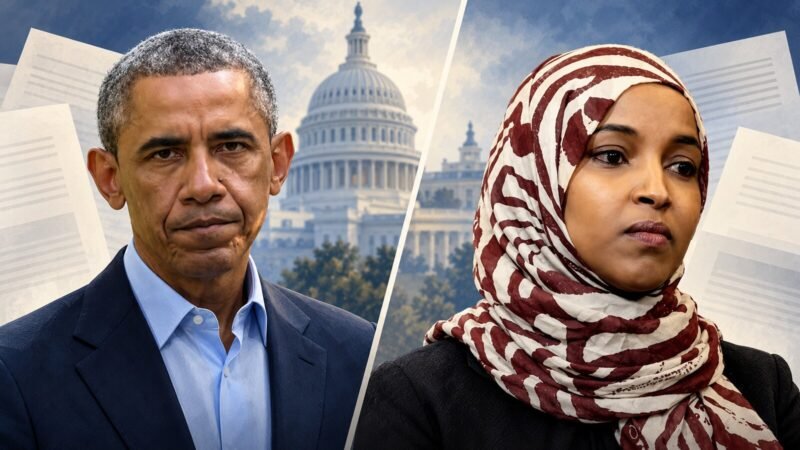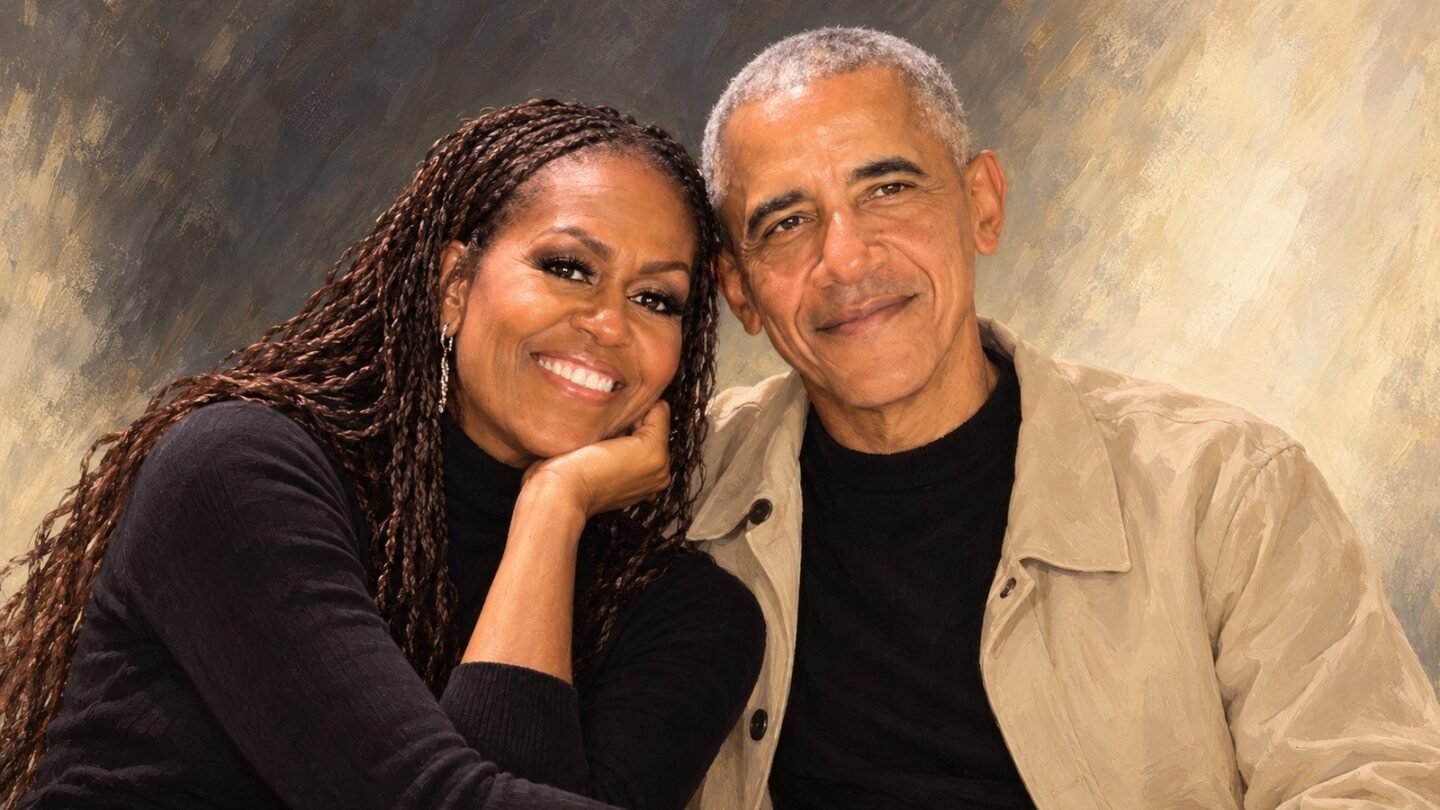
Michelle Obama praised Barack Obama’s maturity, intelligence and selflessness in a People interview published June 24, 2026, arguing that his character mattered alongside the racial significance of his presidency. The remarks are documented, but they are not a new October statement.
The former first lady spoke during a joint interview with her husband at the Obama Presidential Center in Chicago. People’s conversation examined their partnership, White House memories and the meaning of his historic election.
Her descriptions express her assessment of his leadership. They should not be presented as an independent historical ranking or as proof that every decision made during his administration was correct.
What Michelle Obama Said About Character
She described what her husband offered the country as a “mature president, a highly intelligent president, a selfless president.” She added that “those characteristics are as important as race,” according to the interview reproduced by AOL.
Her point was that the symbolism of his presidency extended beyond breaking a racial barrier. She also emphasized how he conducted himself as a leader and in his roles as a man, father and husband.
That framing adds character to the discussion of representation; it does not dismiss the importance of electing the first Black president. The comparison concerns qualities she admired, rather than a claim that race had become irrelevant.
Barack Obama Discussed the Meaning of His Election
The exchange followed a question about whether America had been ready for a Black president. Barack Obama said he had hoped his election would expand children’s ideas about what they could become, including girls and children from different racial backgrounds.
He also cautioned against expecting one election or presidency to erase centuries of history. His account combined pride in the milestone with recognition that its symbolic importance did not resolve every inequality.
In the same answer, he expressed confidence that the United States would eventually elect a woman president. That was his expectation about the future, not an announcement about a candidate or an election result.
The Interview Accompanied the Presidential Center’s Opening
The June publication date places the comments in the period surrounding the Obama Presidential Center’s opening. The Obama Foundation’s official opening information distinguishes the June 18 ceremony from the June 19 opening of the campus and museum to the public.
The center is on Chicago’s South Side. The foundation describes it as a combination of museum exhibits and public spaces, including gardens, walking paths, artwork and a Chicago Public Library branch.
Its museum covers the Obamas’ lives, the presidency and the social movements associated with their work. Exhibits include White House memorabilia, accounts of major moments and a replica of the Oval Office, according to the foundation.
The foundation says most of the campus is free to enter, while museum admission uses timed tickets. Those details describe the setting and public purpose presented by the organization; they do not independently validate Michelle Obama’s judgment of presidential character.
The interview was therefore part of a broader retrospective conversation. Its republication in a graphic does not change when the comments were originally published.
Historical Facts and Personal Judgments Answer Different Questions
Obama’s election and public service can be documented separately from assessments of his personality. The archived White House biography records his election on November 4, 2008, and inauguration on January 20, 2009, as the 44th president.
It also records his earlier work as a Chicago community organizer, his legal education, his leadership of the Harvard Law Review and his service in the Illinois legislature and U.S. Senate. Those are biographical facts, rather than a measurement of maturity or selflessness.
Evaluating a presidency’s record involves examining particular decisions and their consequences. Agreement or disagreement with an individual policy does not, by itself, establish the motives behind every action an administration took.
Michelle Obama’s remarks make her view clear. The reviewed interview does not present a systematic comparison of presidents or a method for scoring those character traits.
The published record establishes a June interview and a statement of praise. No new interview date or scheduled follow-up accompanying the supplied graphic was established in the sources reviewed.